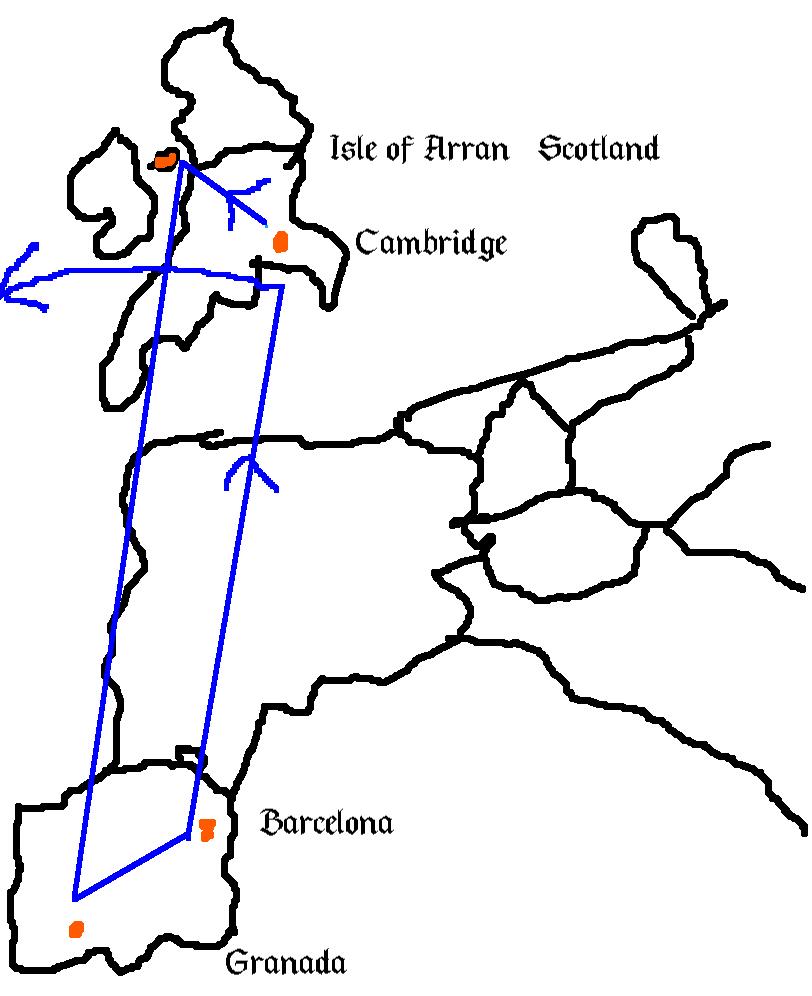
| The basic plan is that I had a meeting in Cambridge, so I spent a week there. Afterwards, Mark and Maggie and I went to Scotland for a few days. Mark returned home, and Maggie and I continued on to southern Spain, and then Barcelona. |
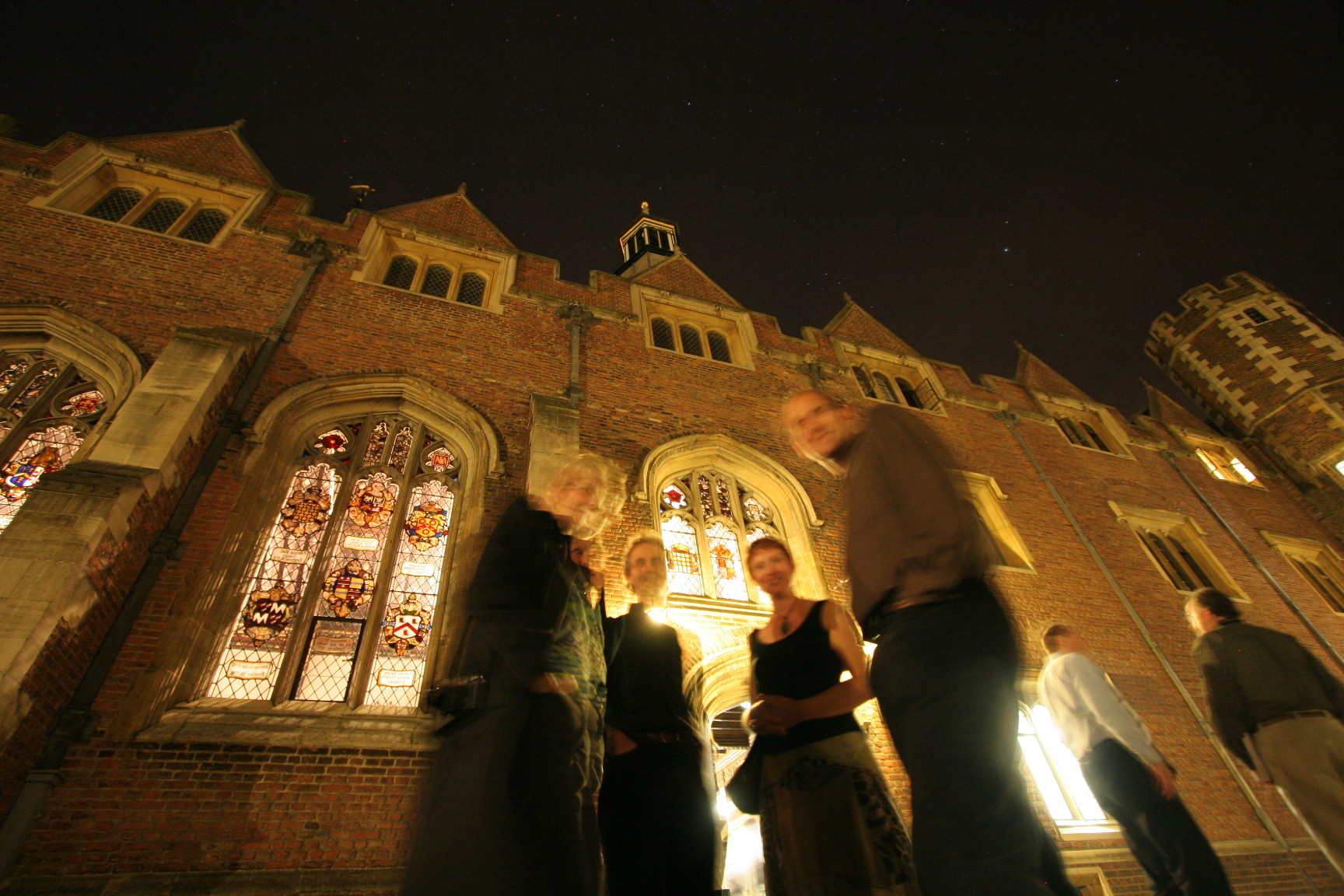
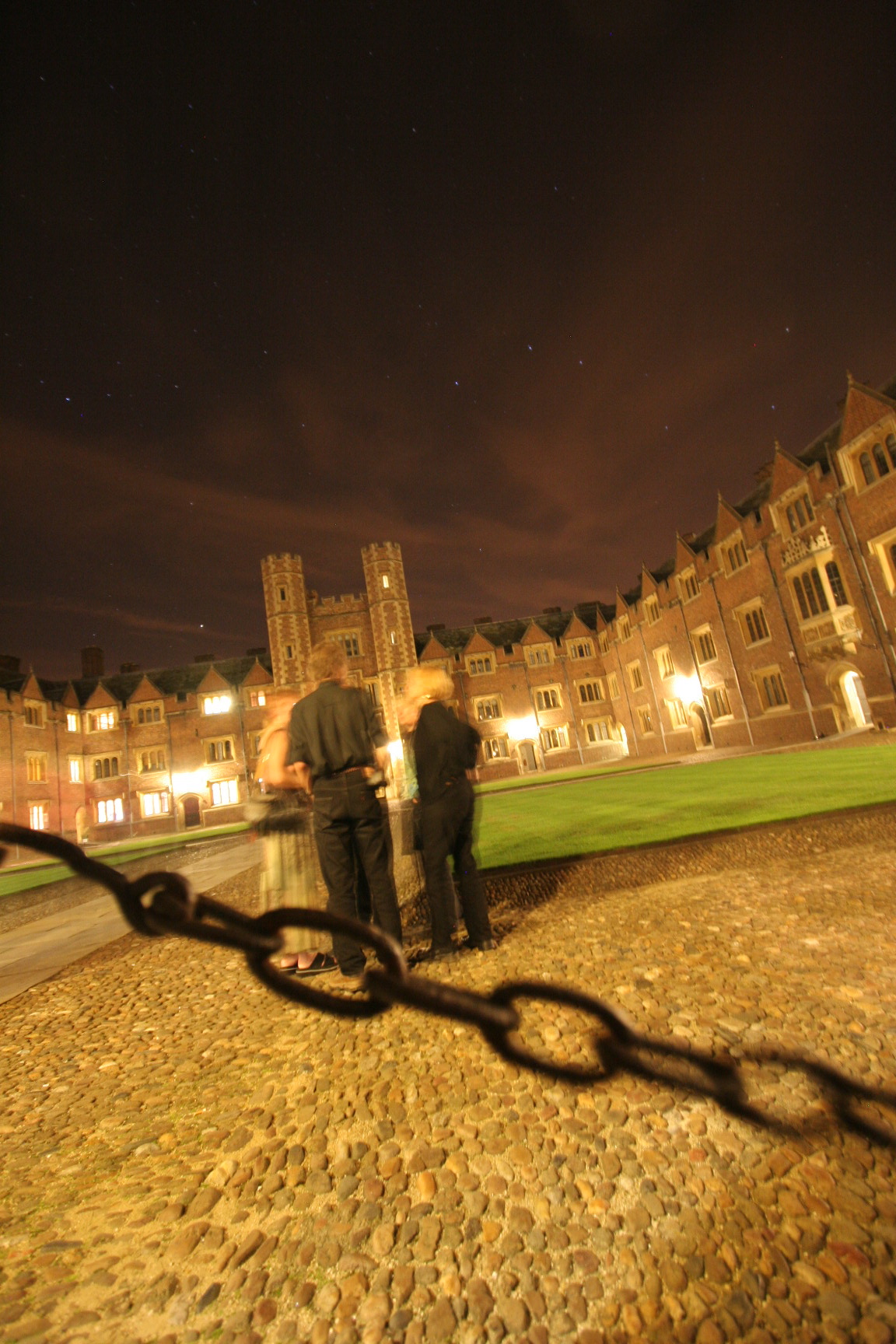
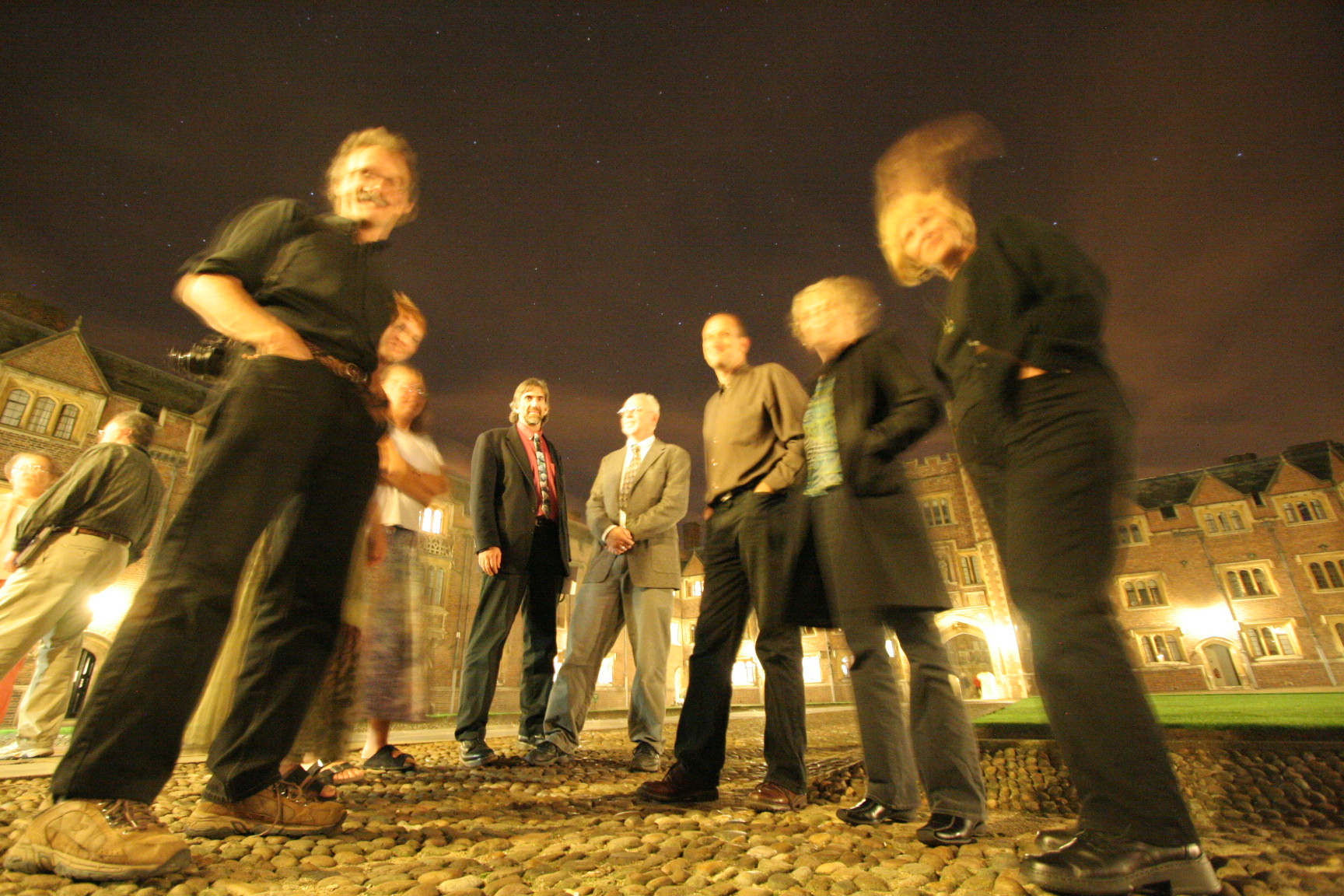 | We started off for the DPS meeting in Cambridge. (The meeting 8 years ago was in the American version of Cambridge, so this seemed appropriate.) These are taken after a dinner at St. John's College. John Spencer, his sister Fran, Leslie (?), Bill McKinnon, Rev. Jeff Moore, Dave Grinspoon, Tory, and Jane all move slightly for the camera. |
 | |
 | |
 | Dave and Tory. |
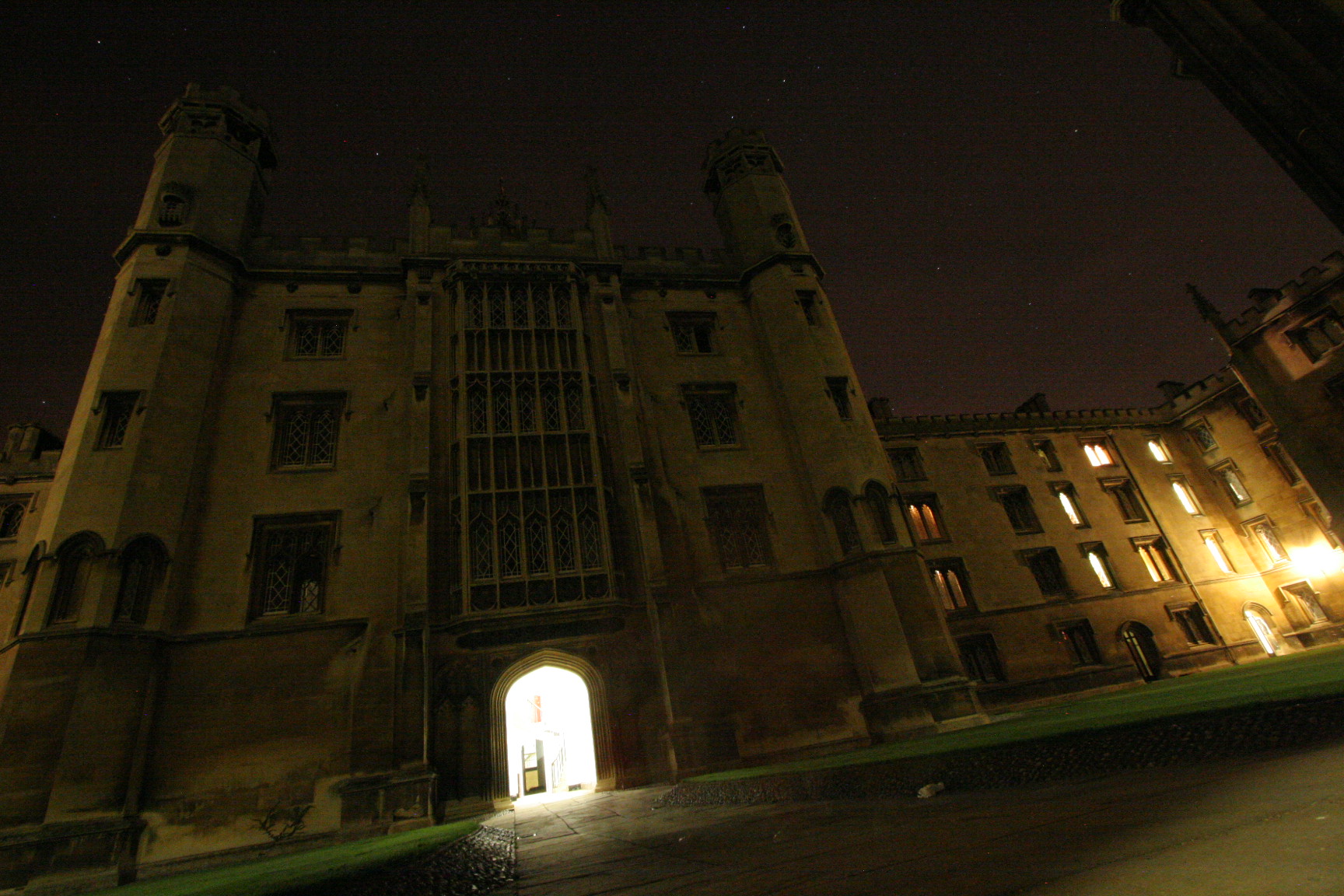 | |
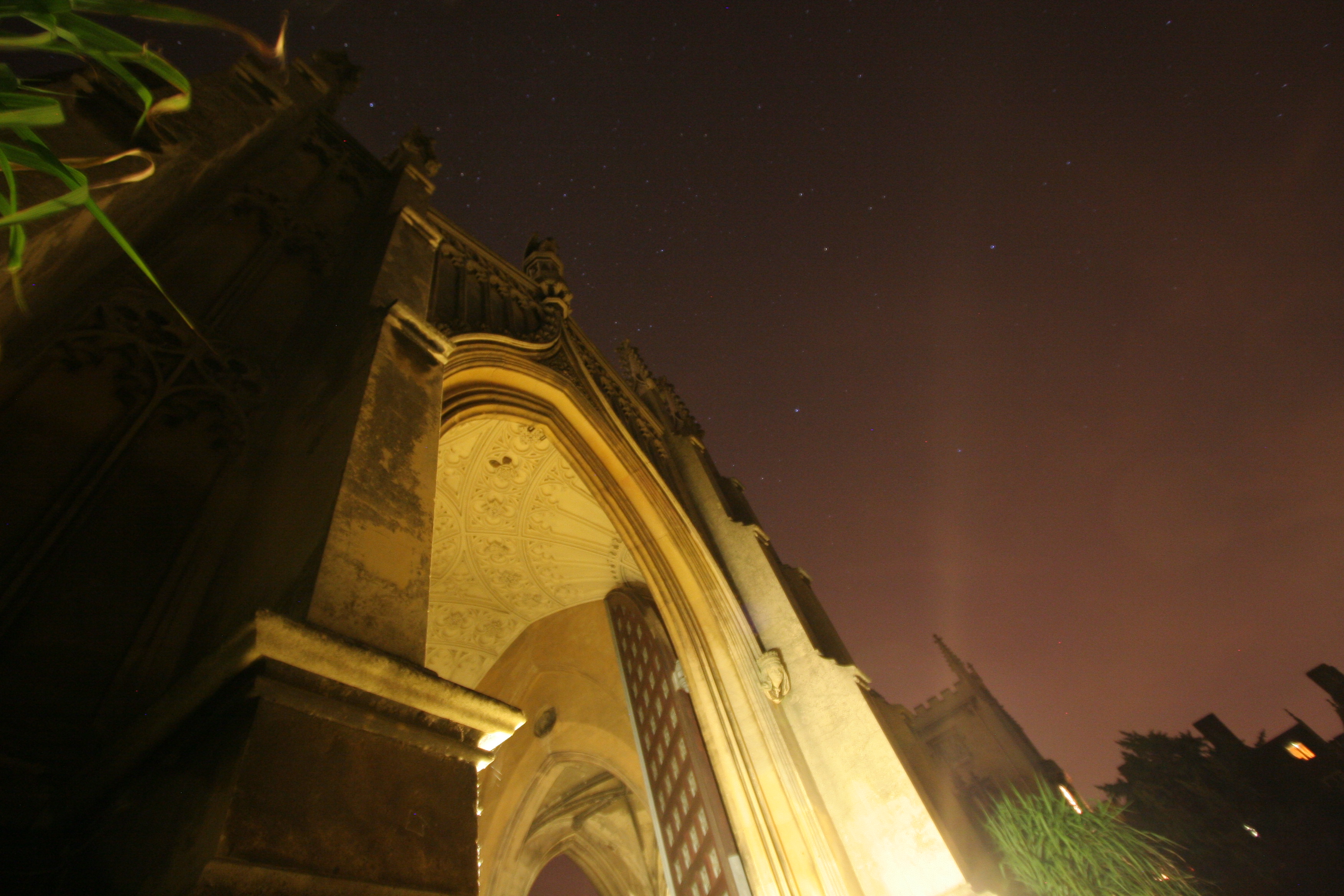
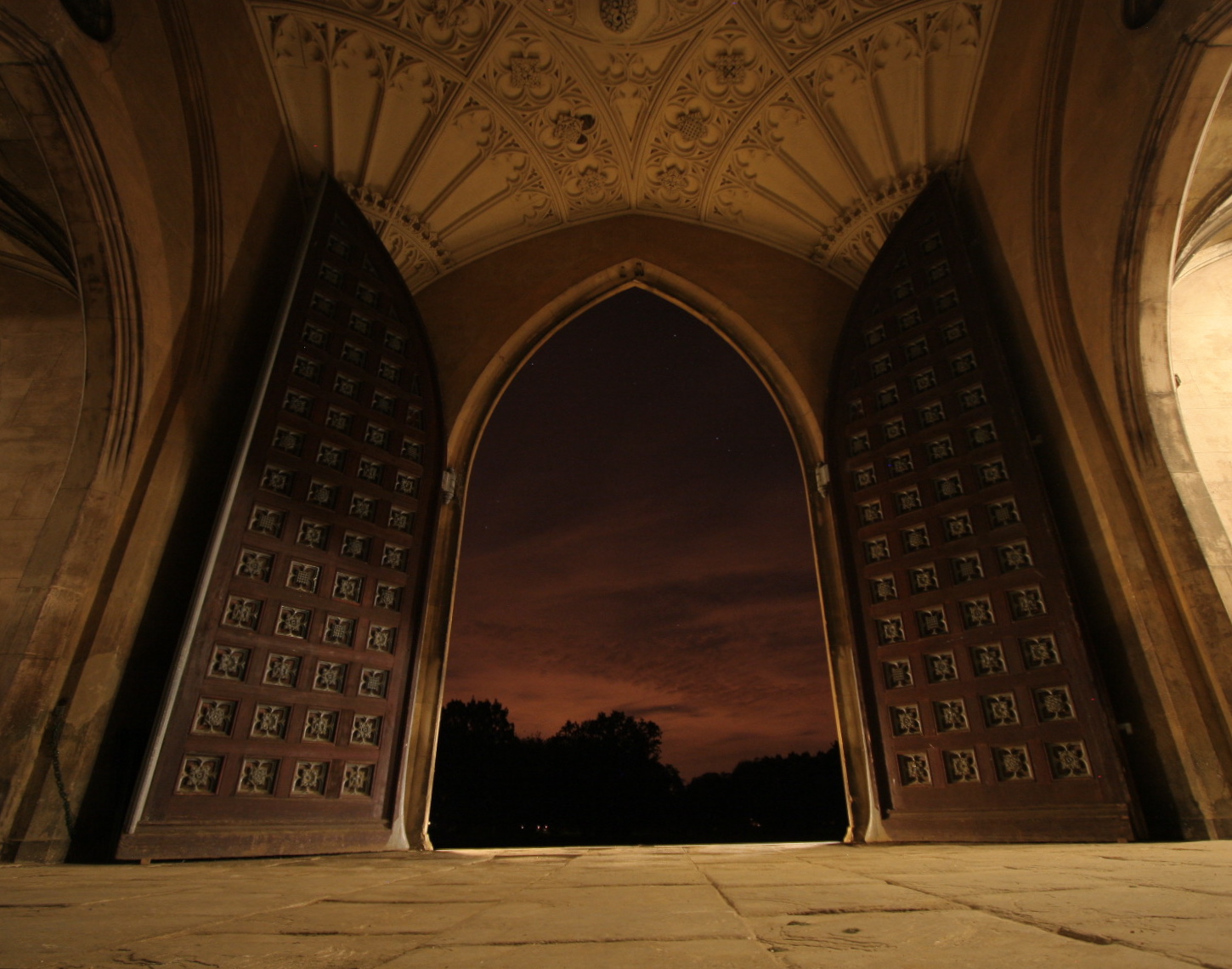 | Is it remotely possible that Harry Potter's environment was based on all of this? |
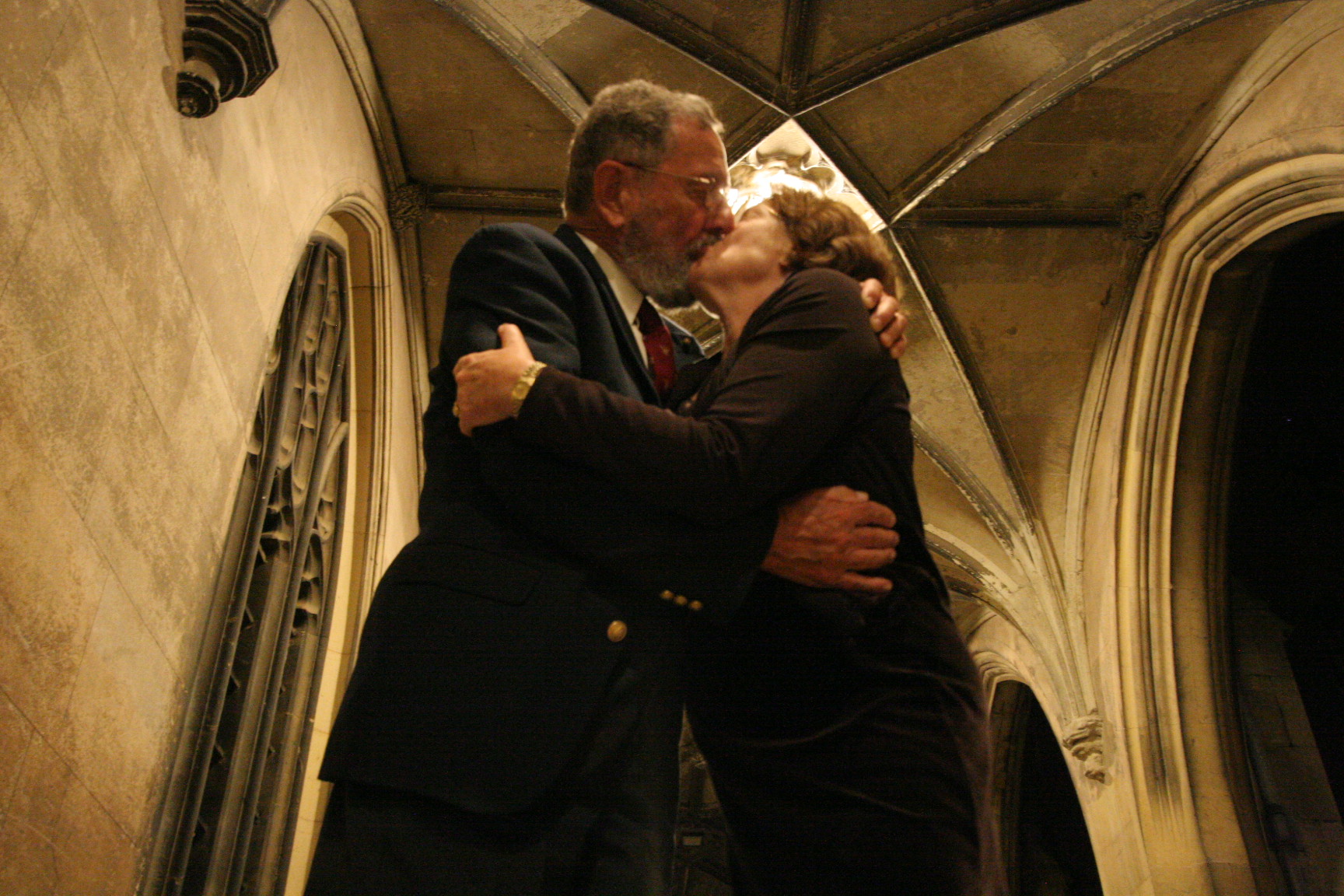
 | Don and Ann. |
 | |
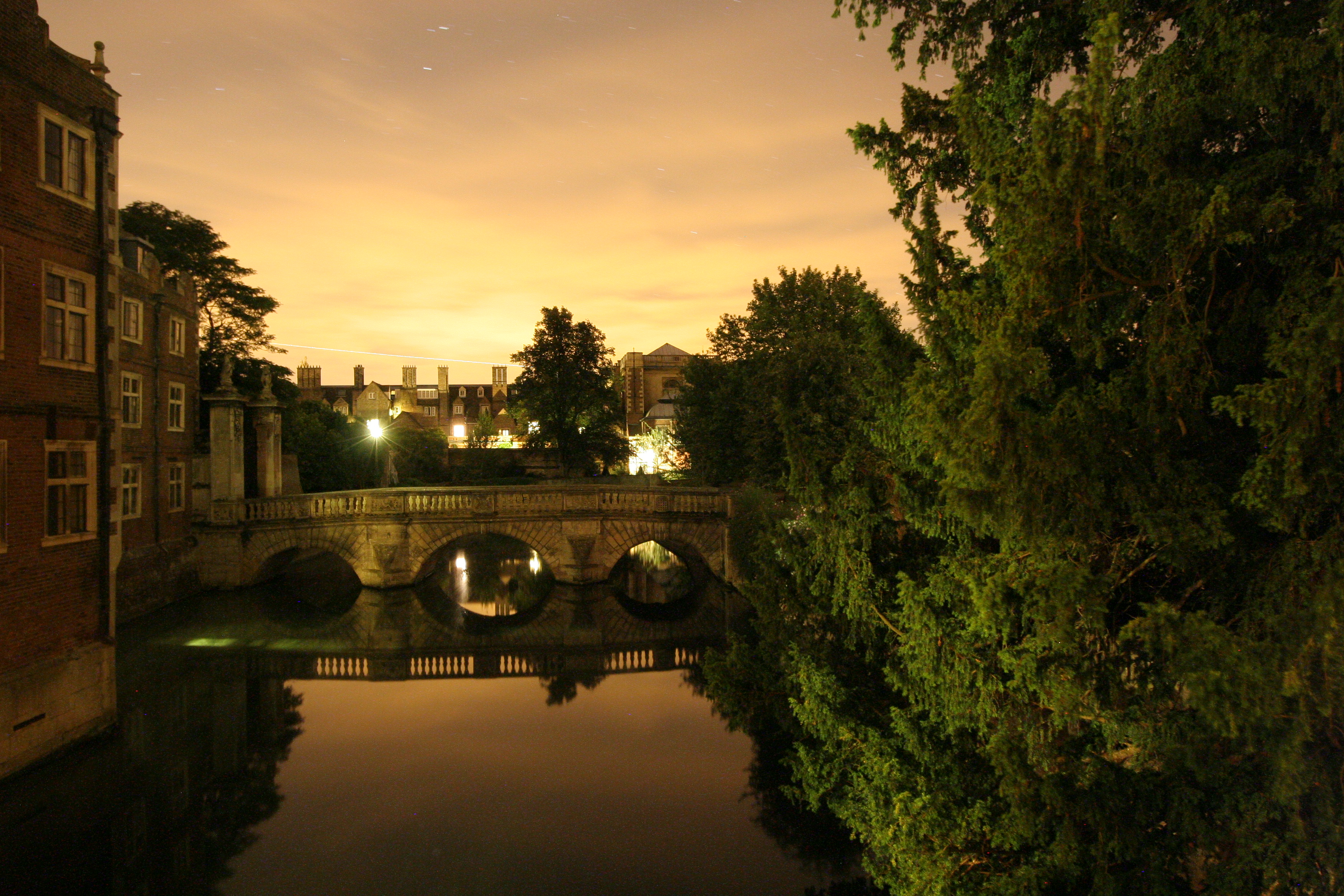
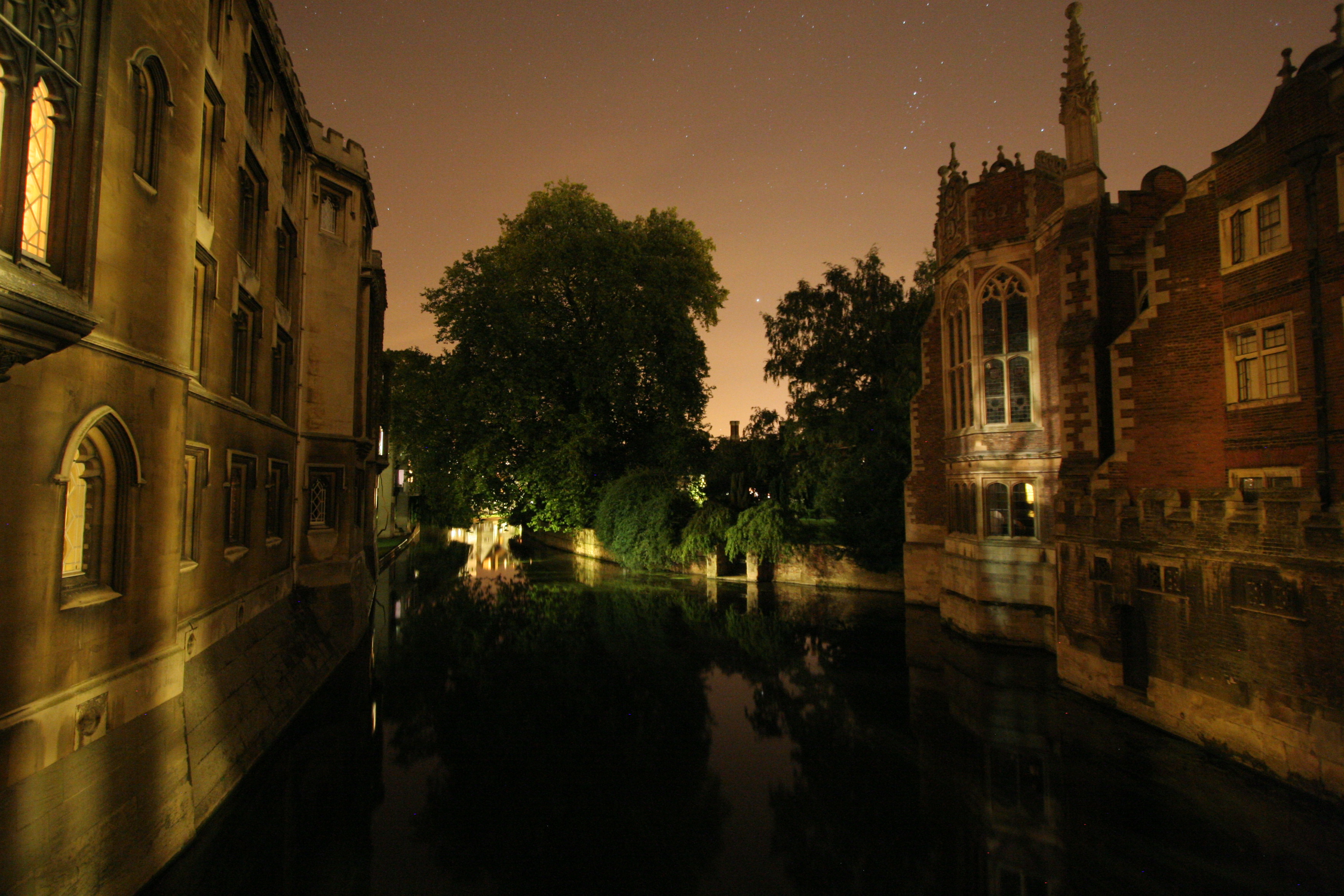 | Overlooking the Cam from the bridge... |
 | |
 | |
 | |
 | |
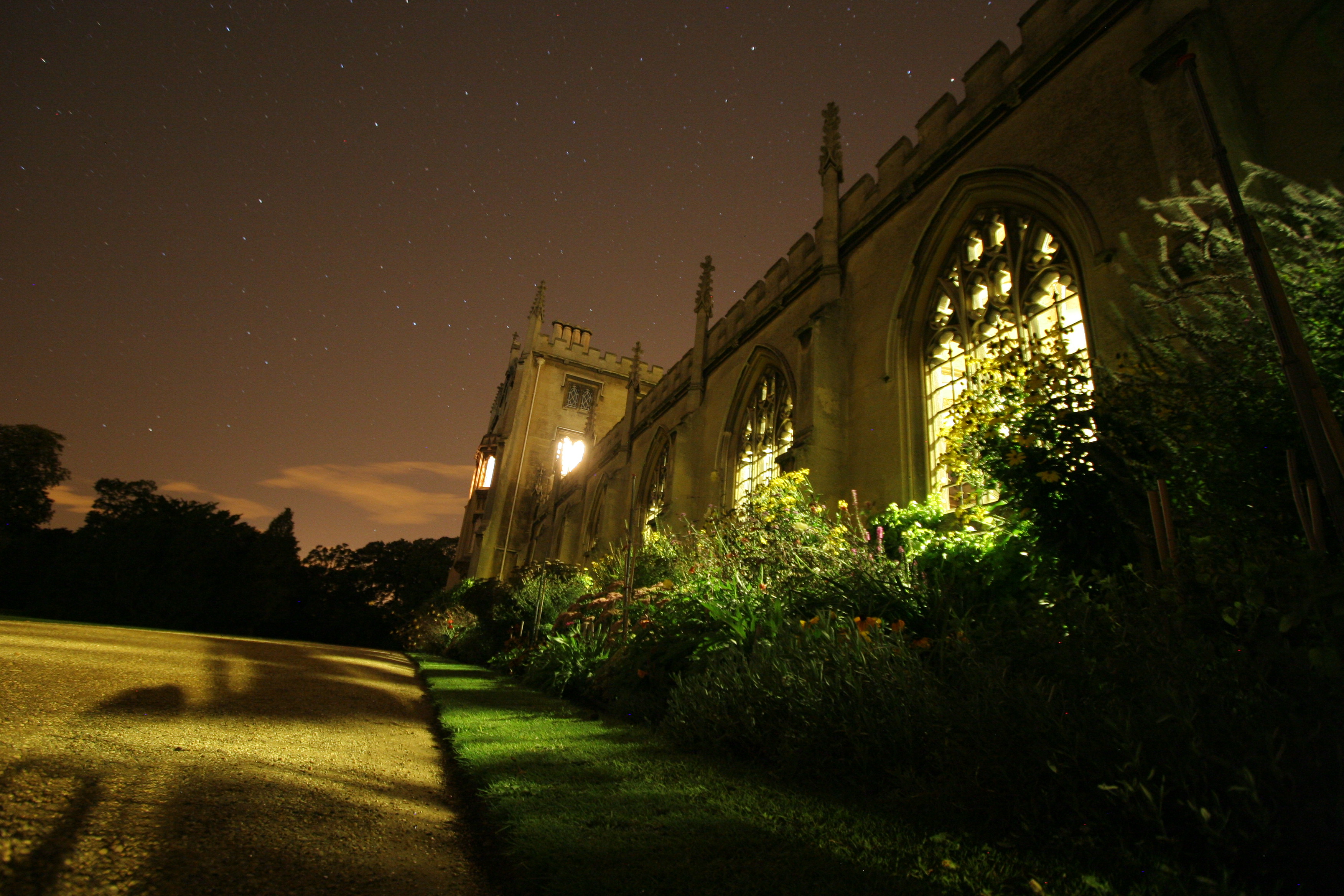
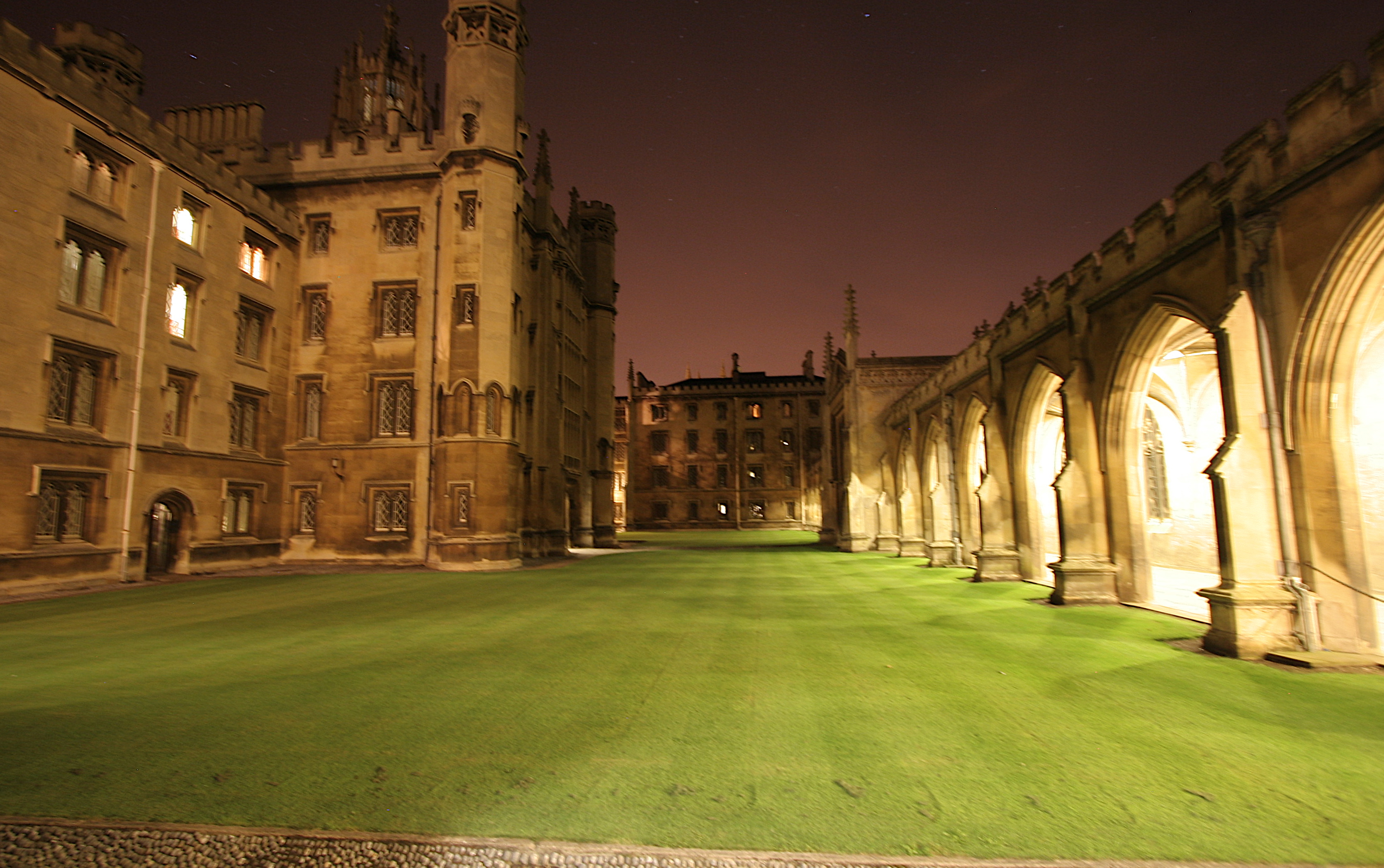
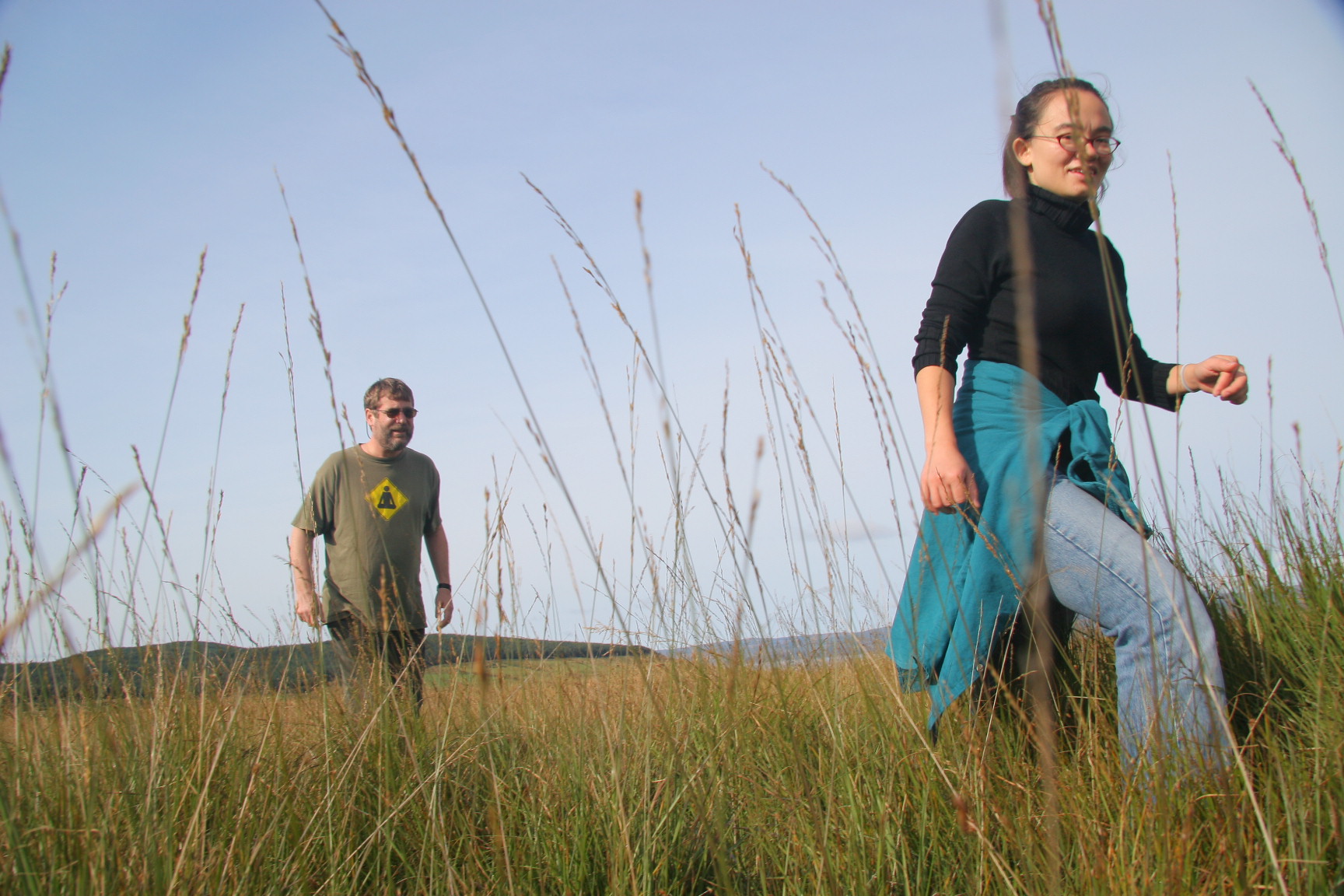
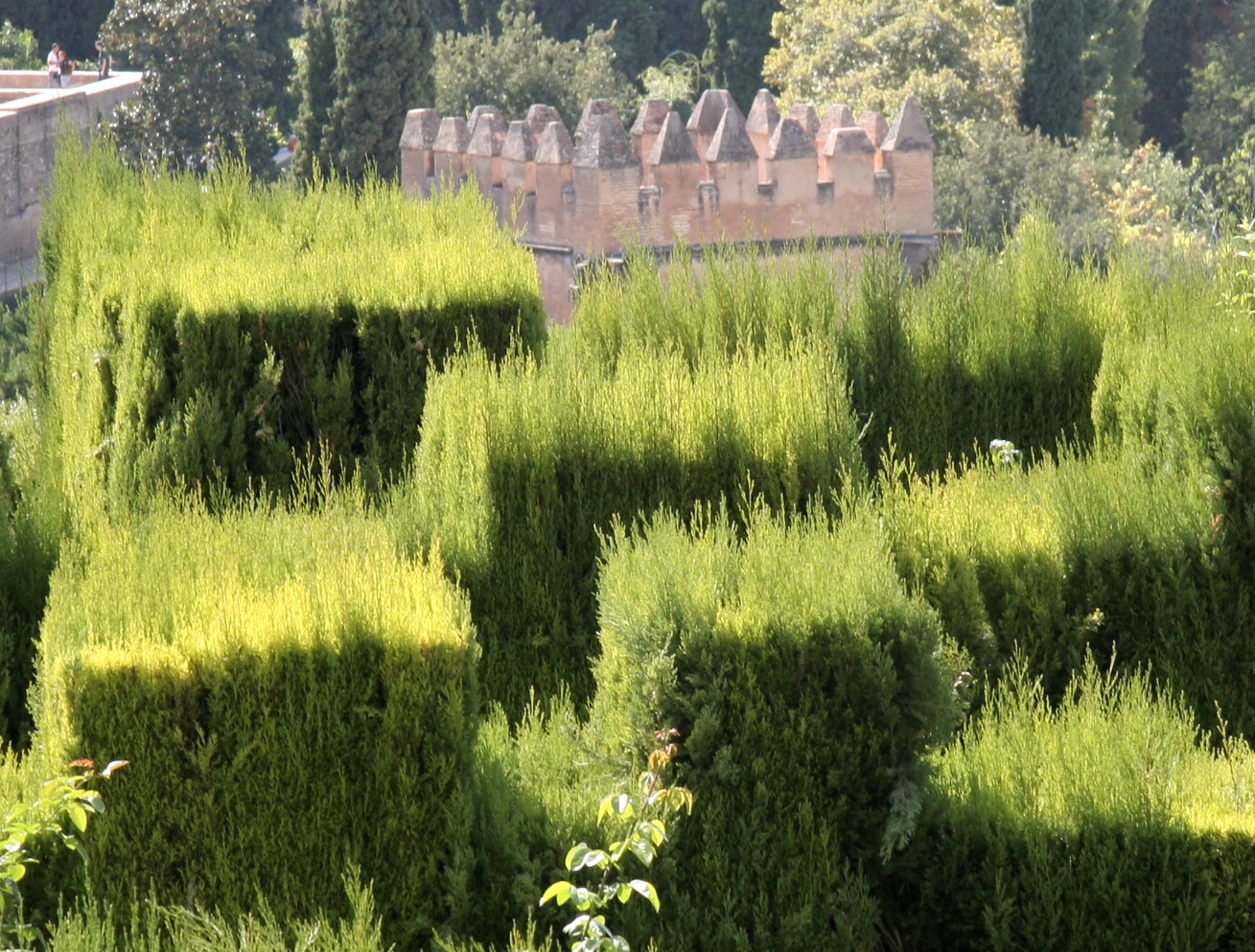
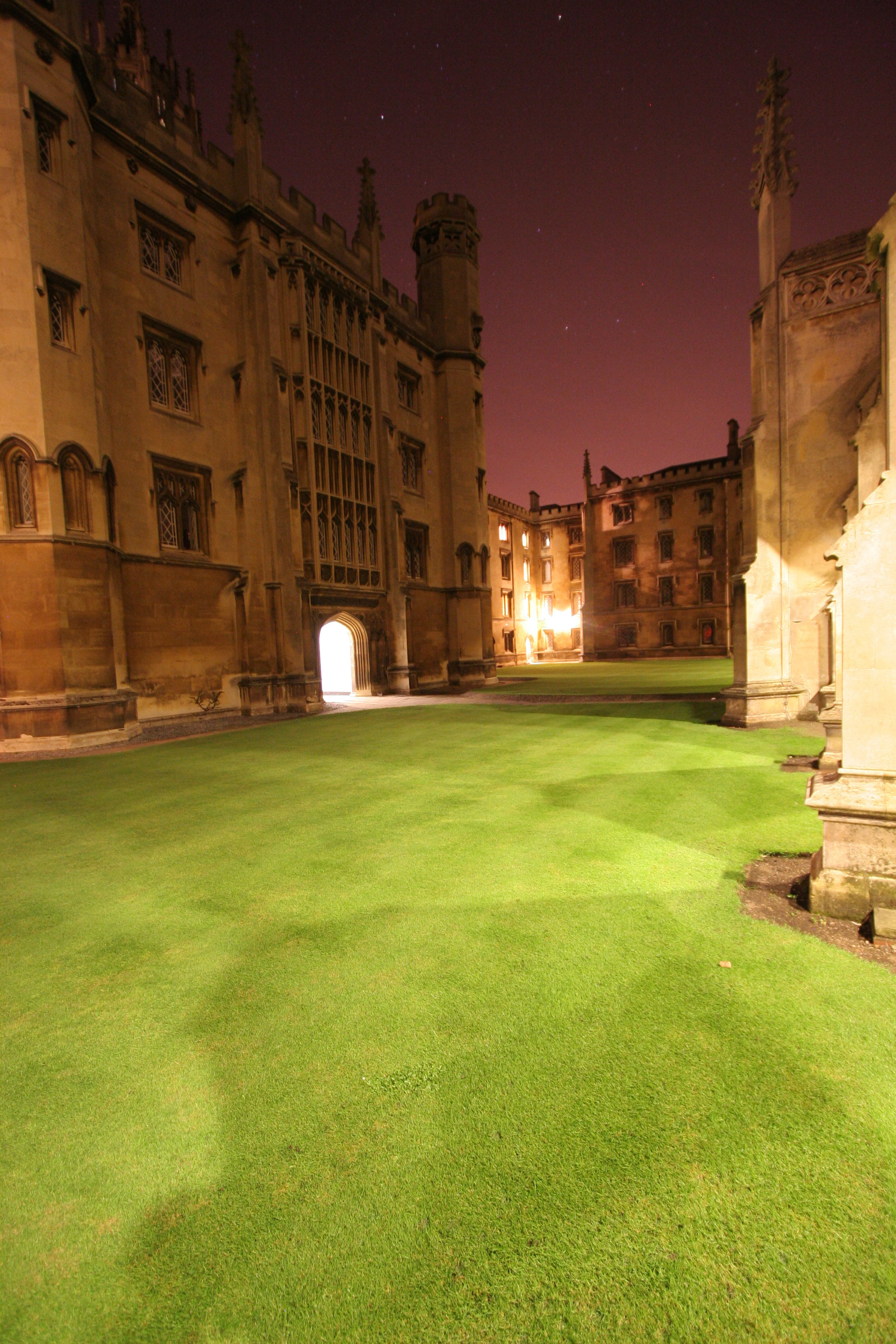 | Check out that grass! None of these are Photoshop-ed: colors are all real. |
 | |
 | |
 | |
 | |
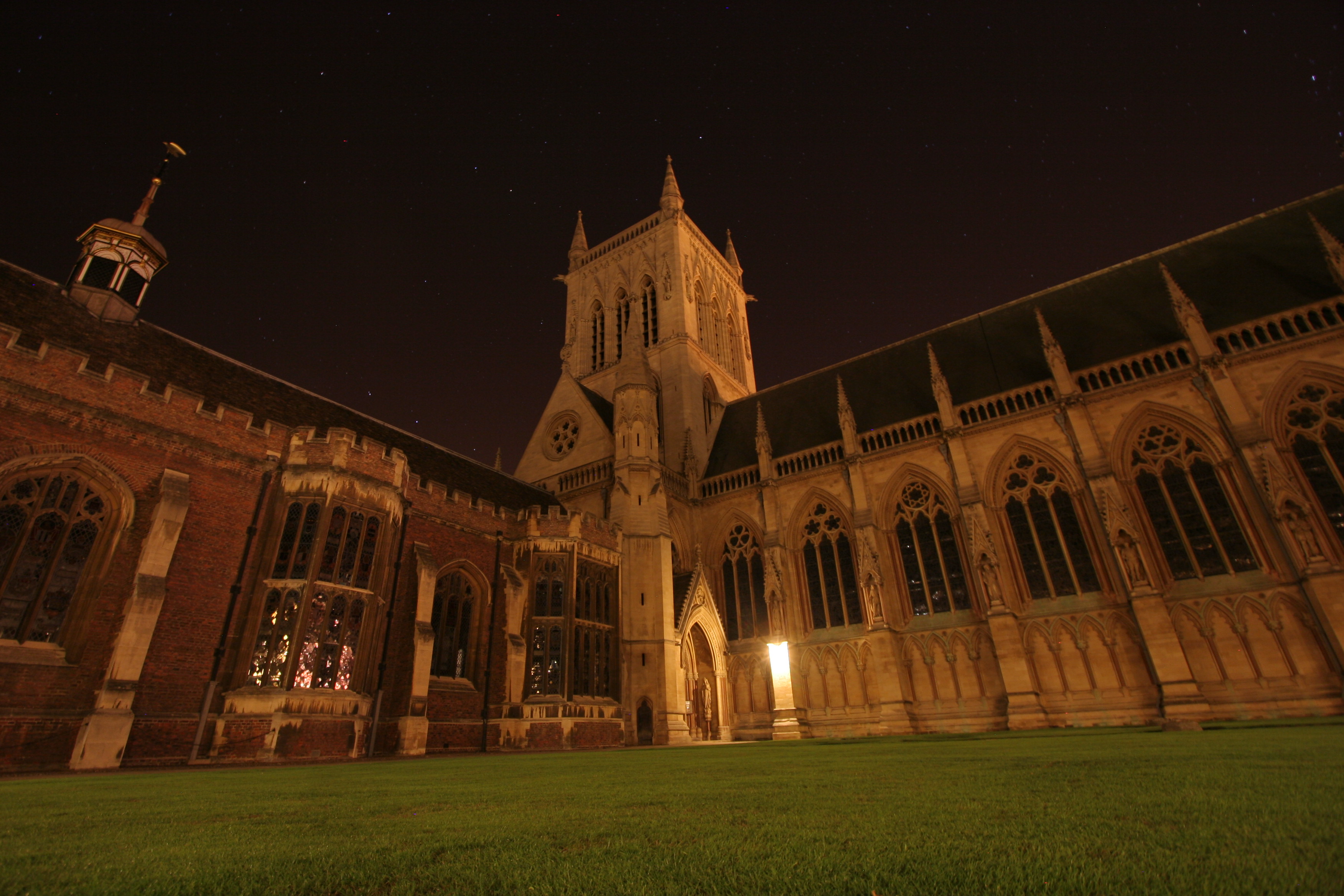 | |
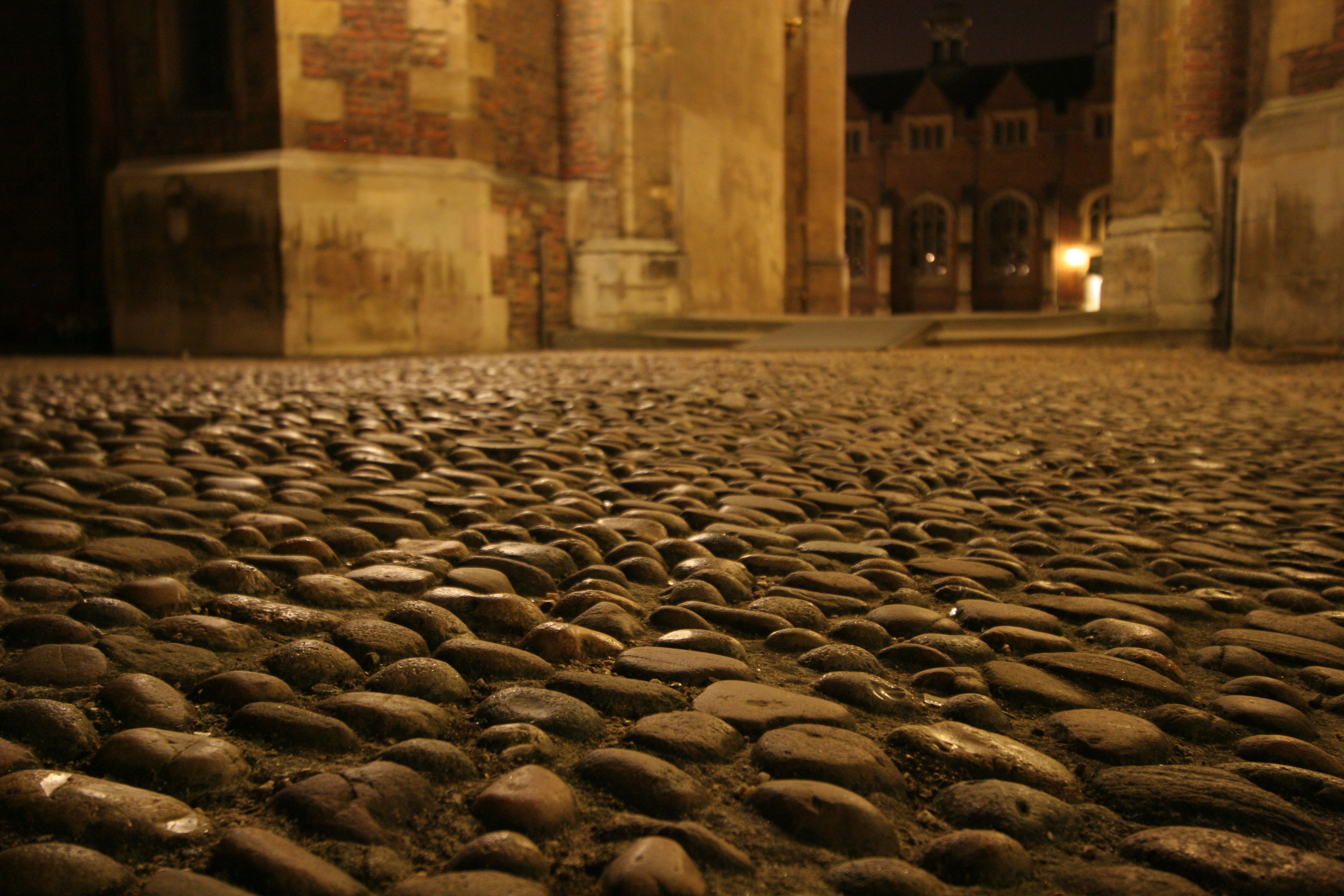
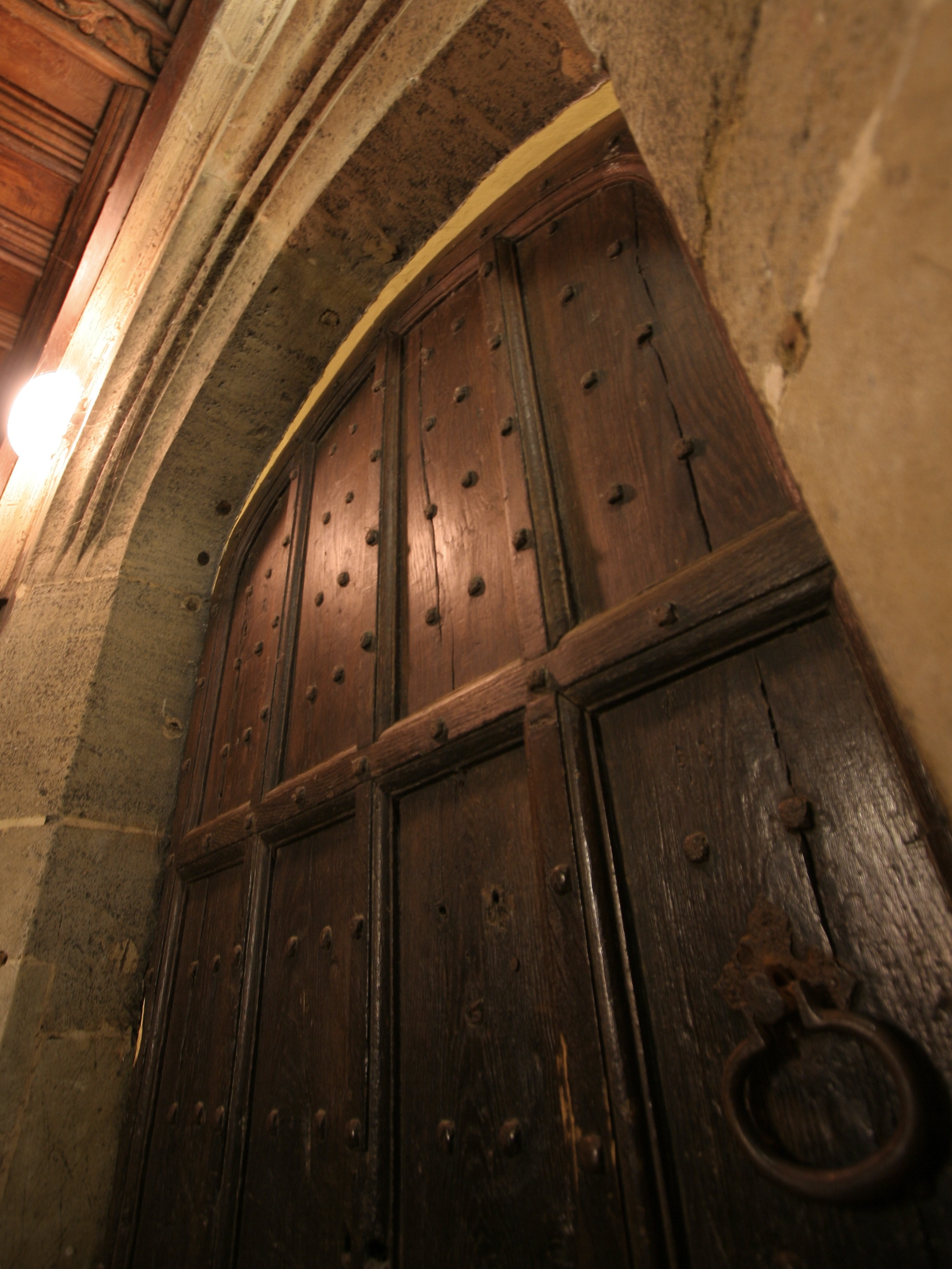
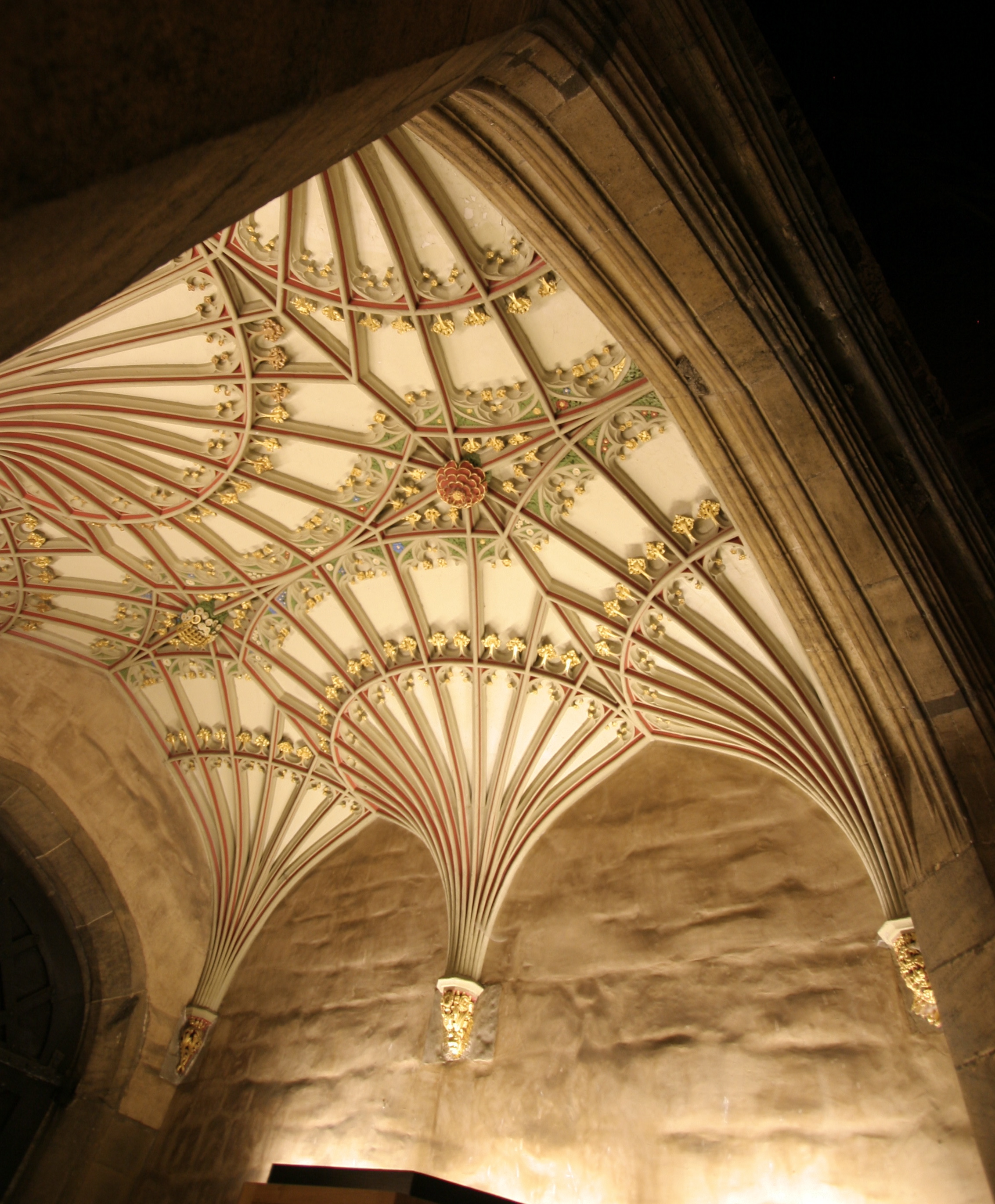 | At the St. John's Porter's Lodge. |
 | |
 | |
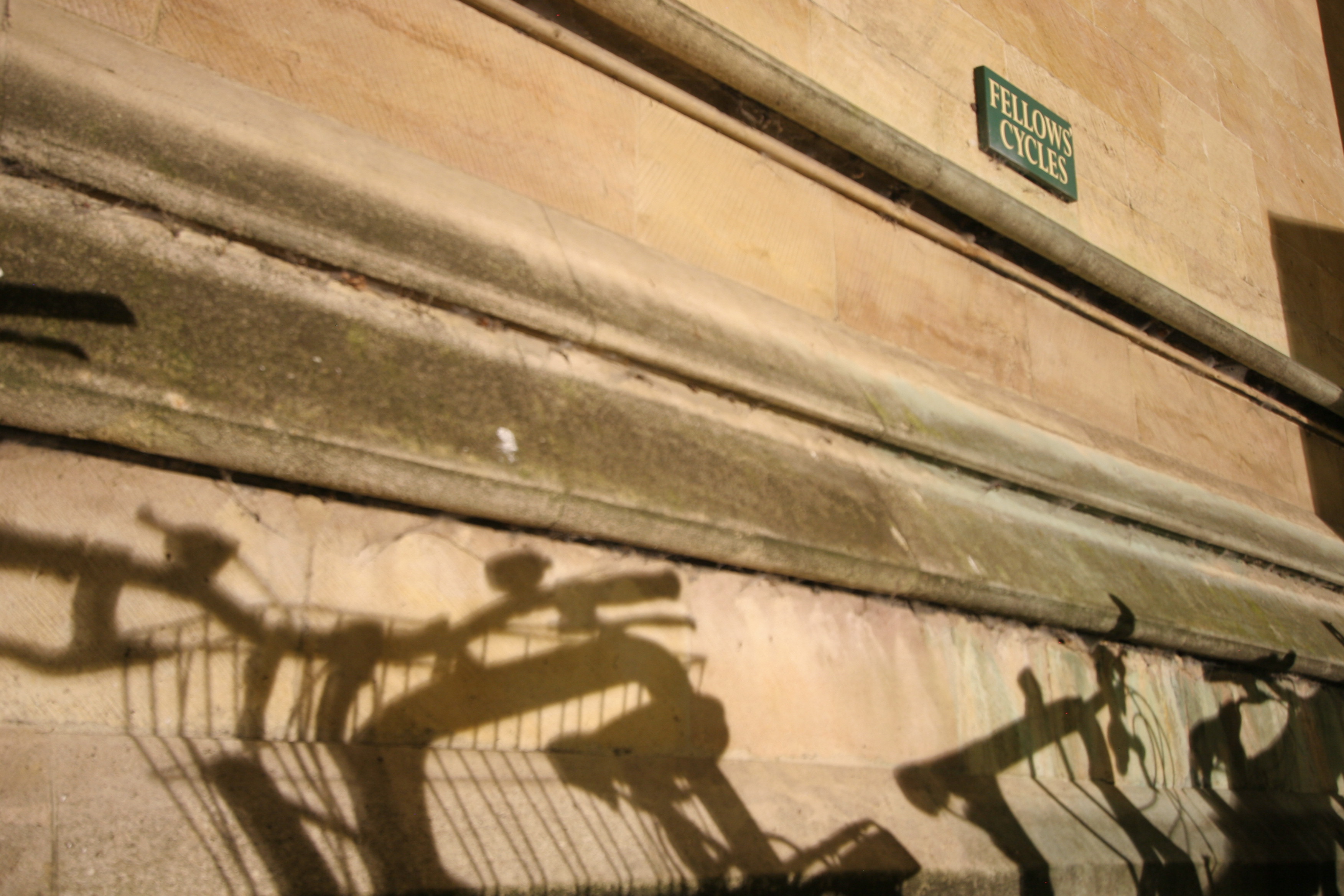 | |
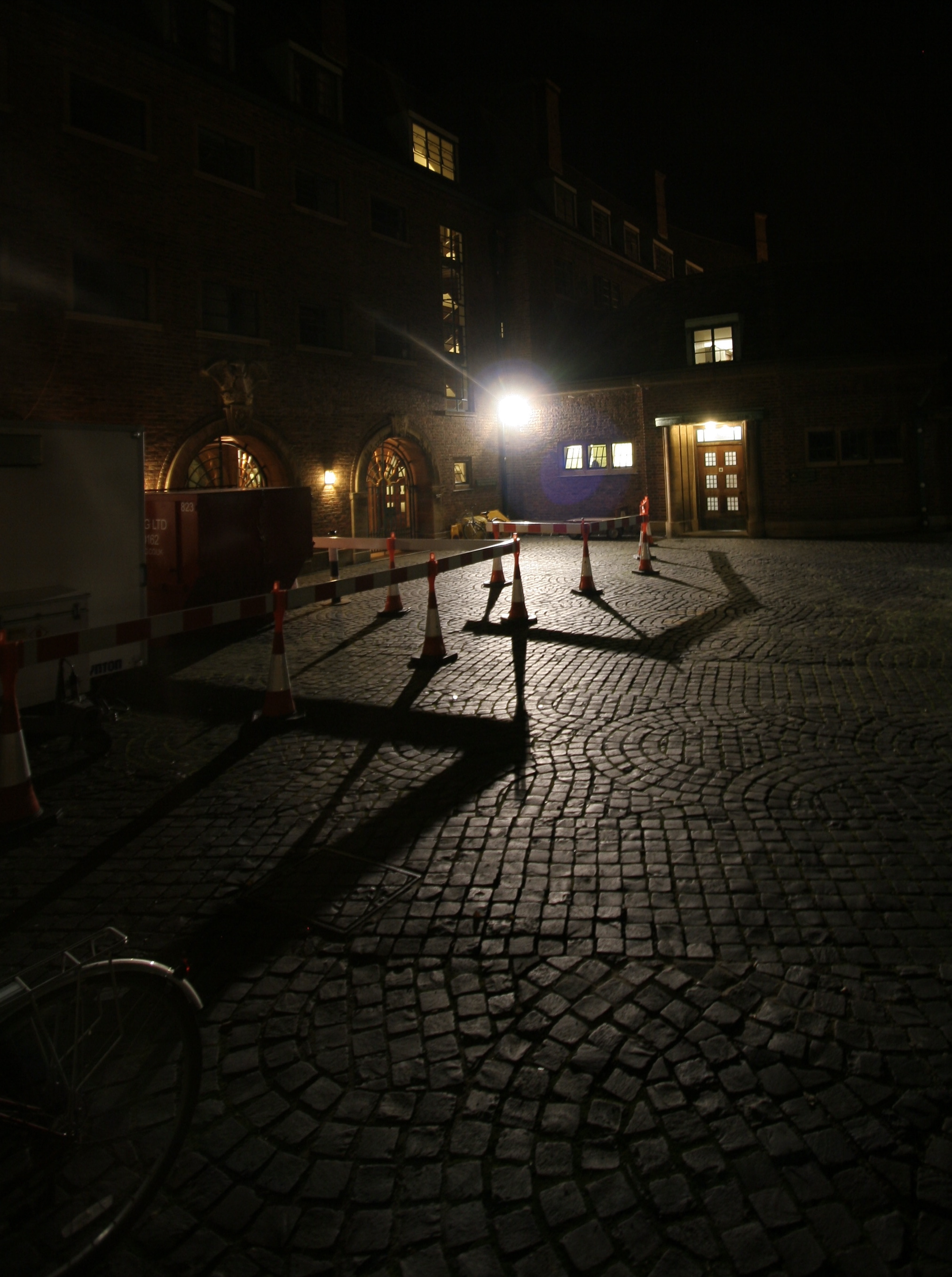
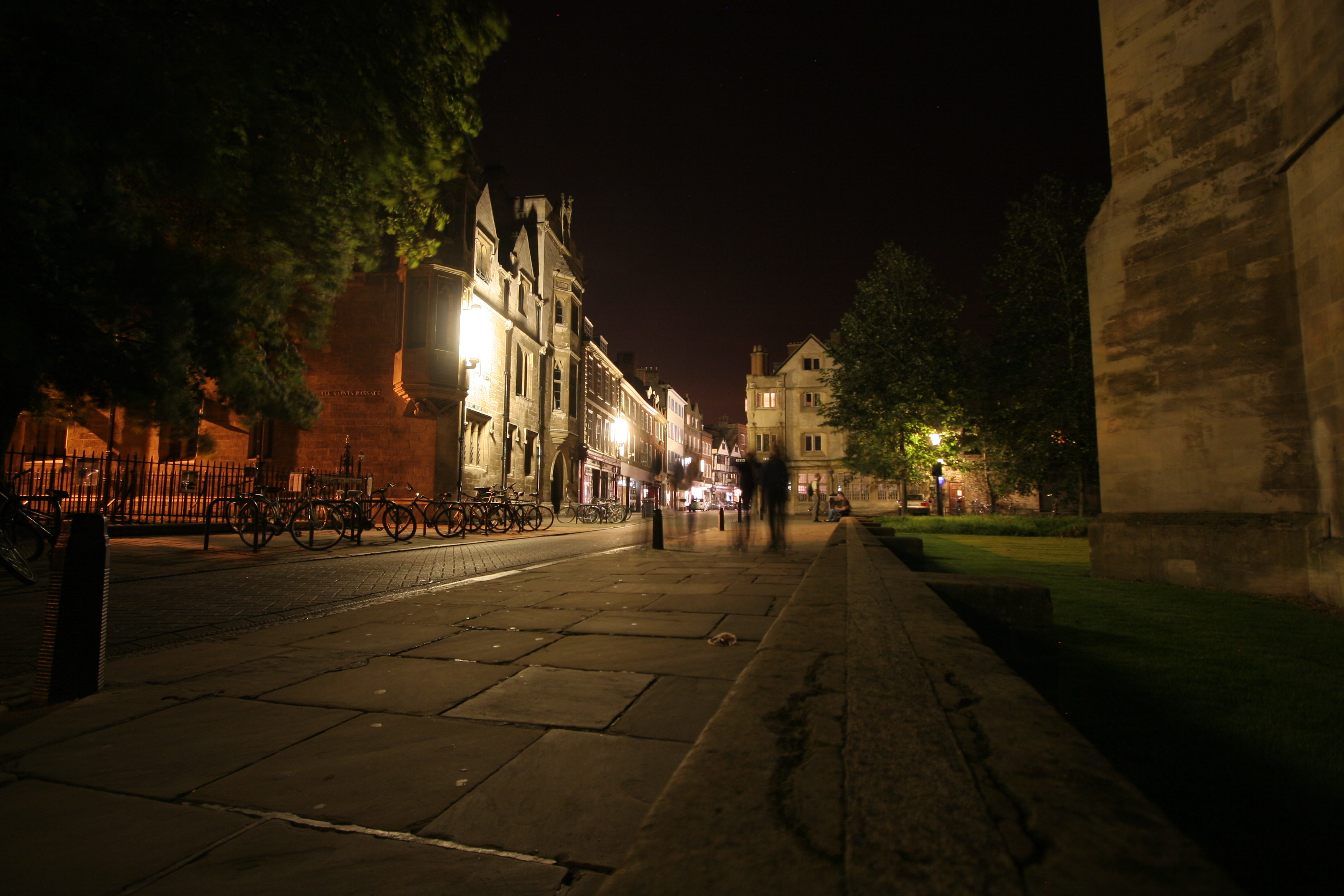 | Downtown Cambridge. |
 | |
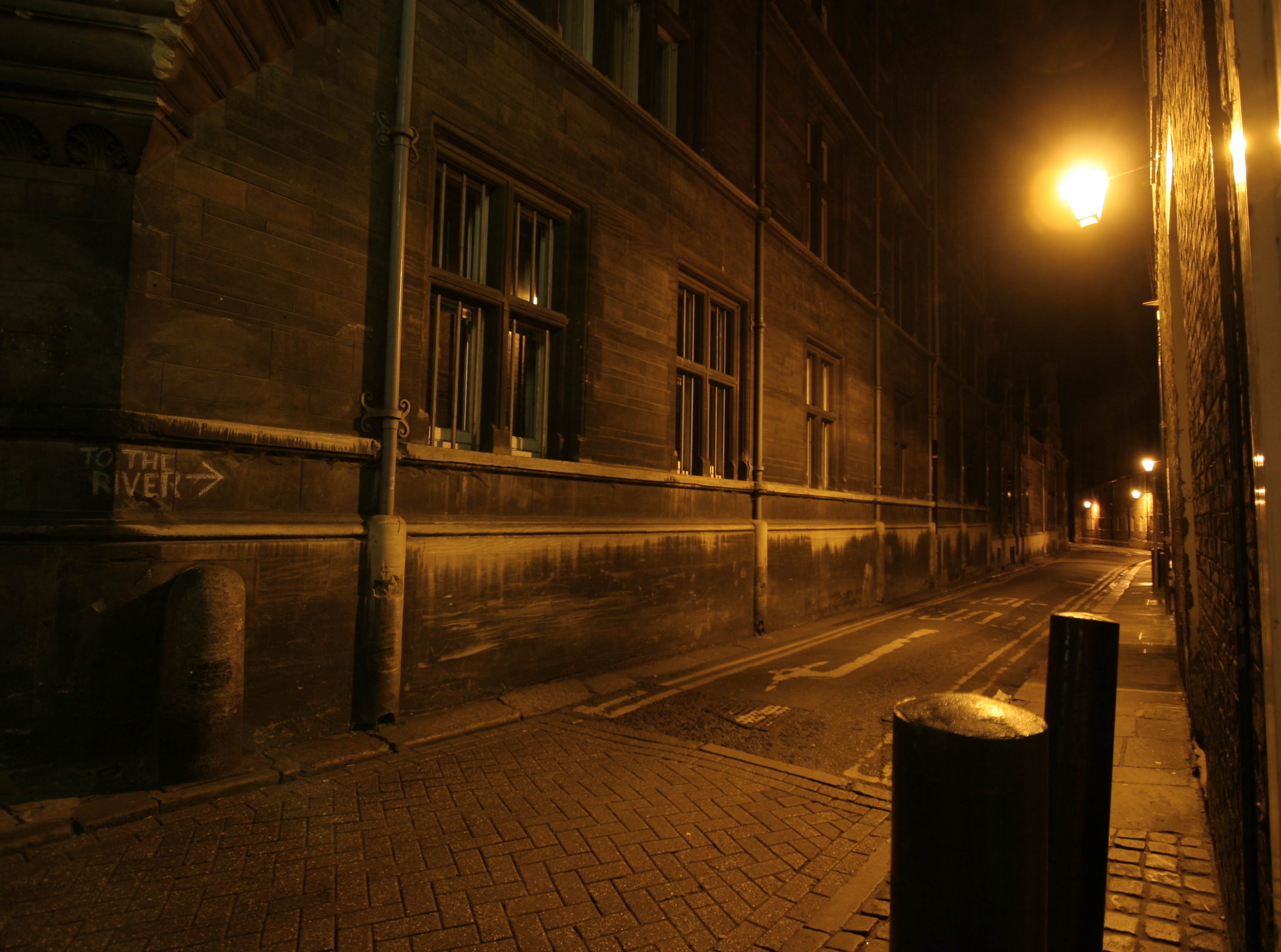 | |
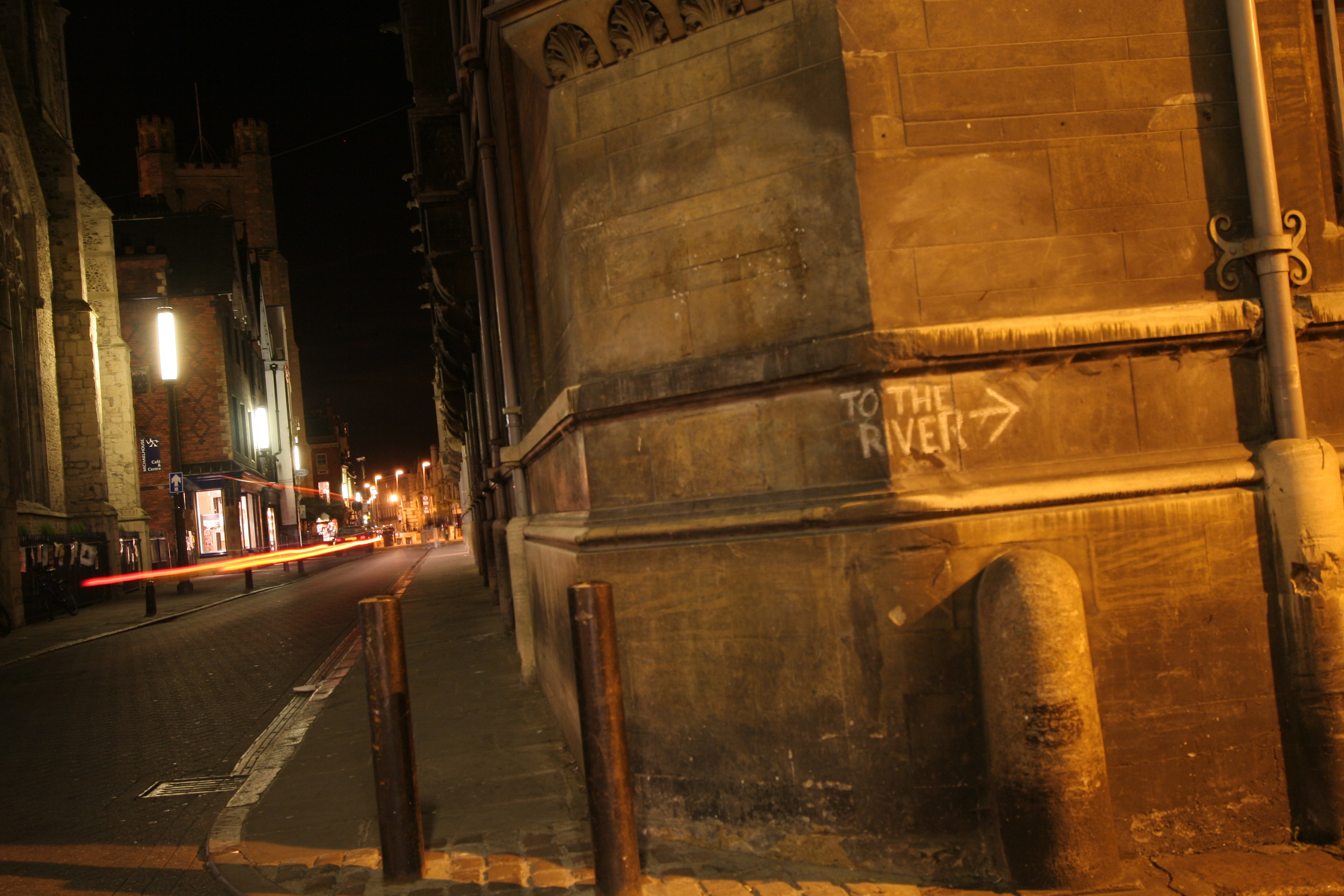
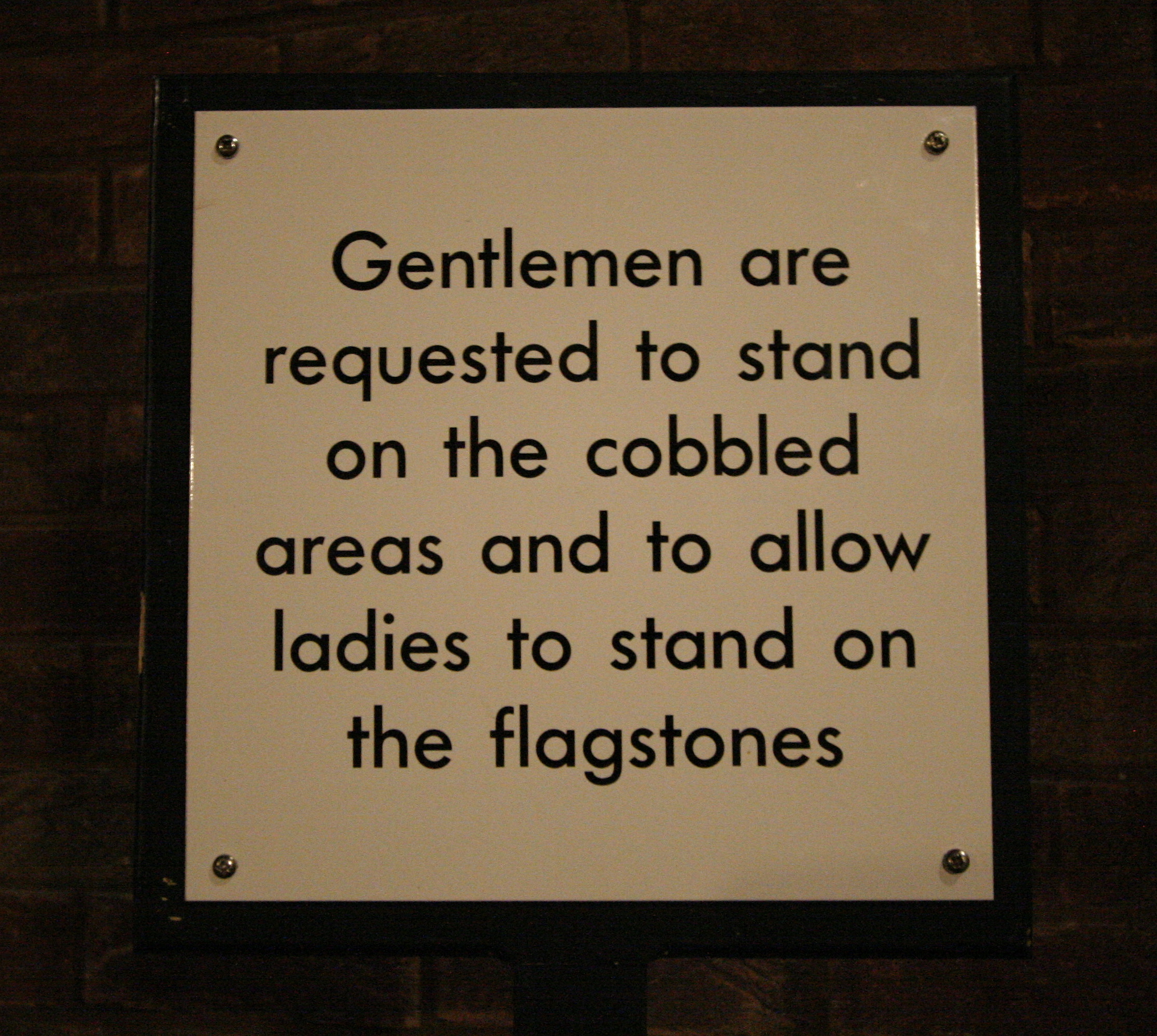 | This sign at St. Catherine's College kept me in my place. |
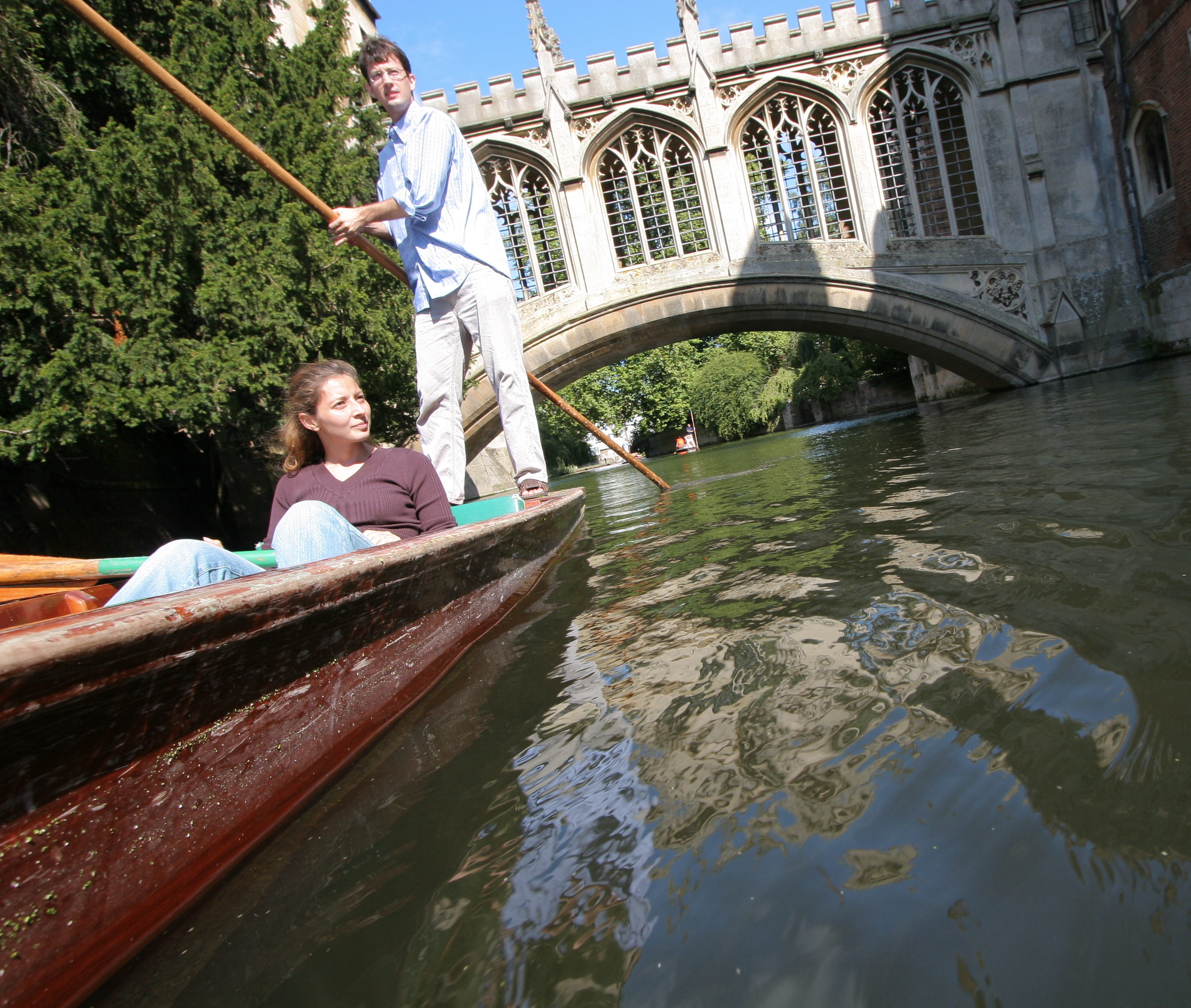
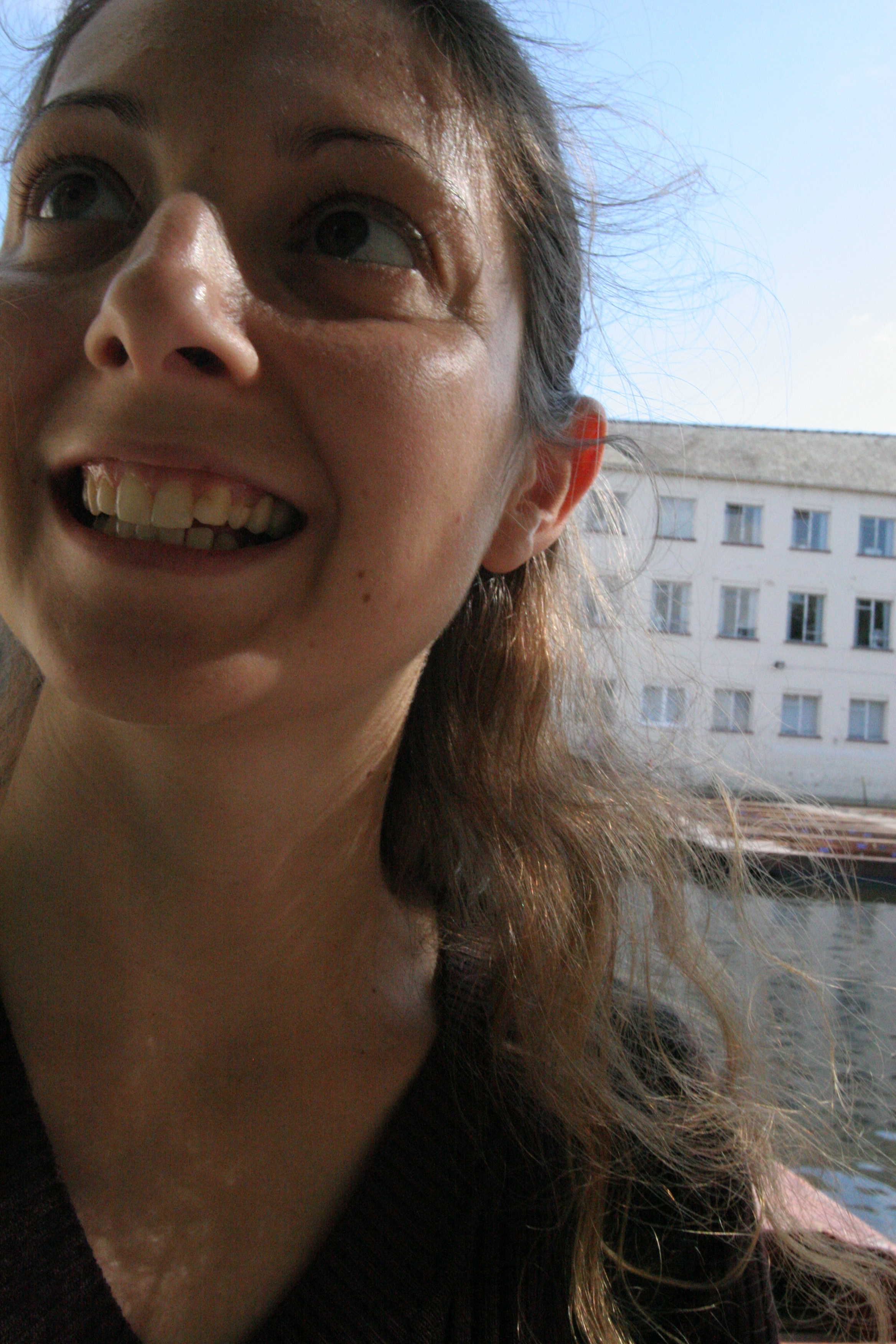 | Ravit. She led Andrew and I astray the first night as we were seeking the Music Hall, but happily accompanied us punting. |
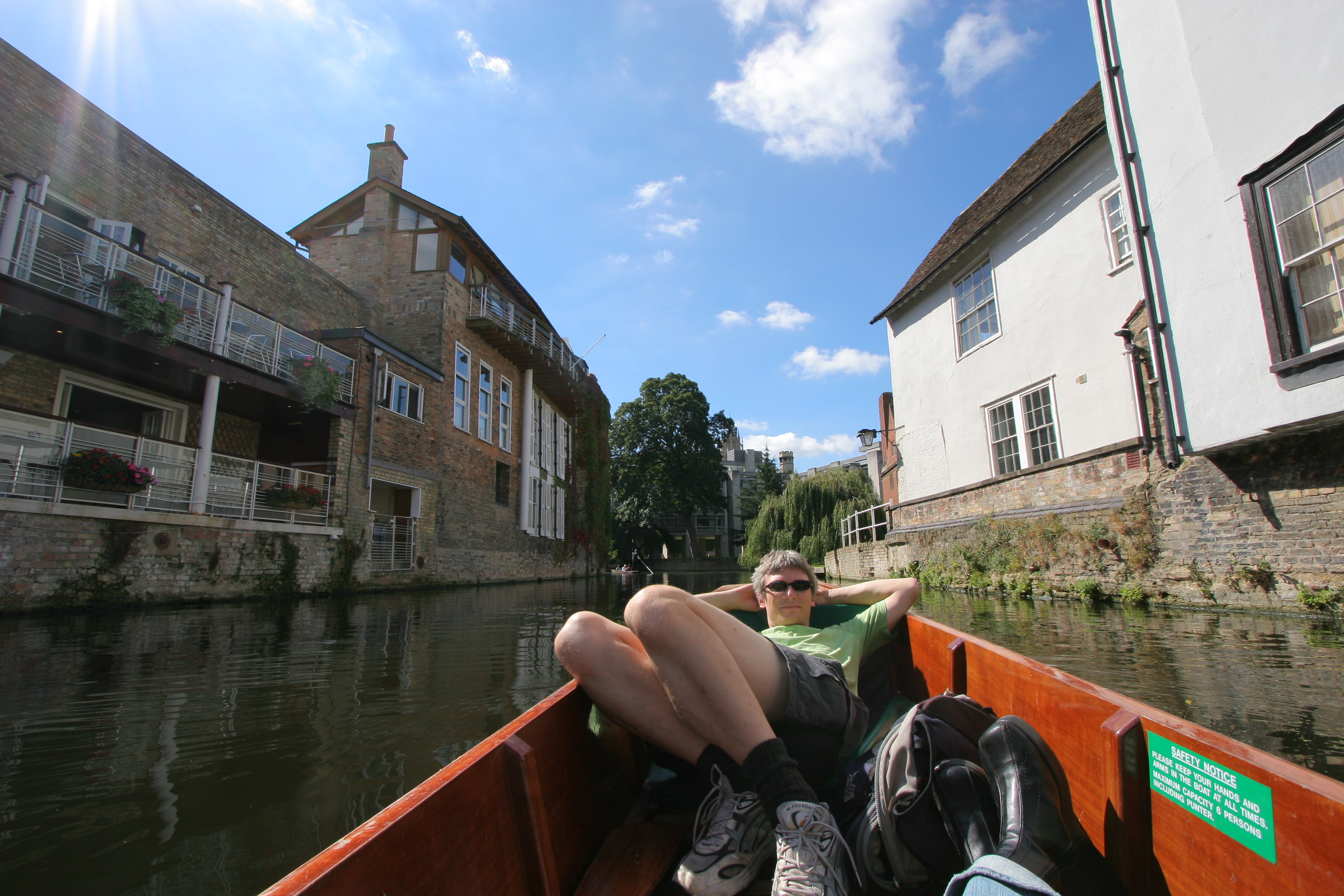
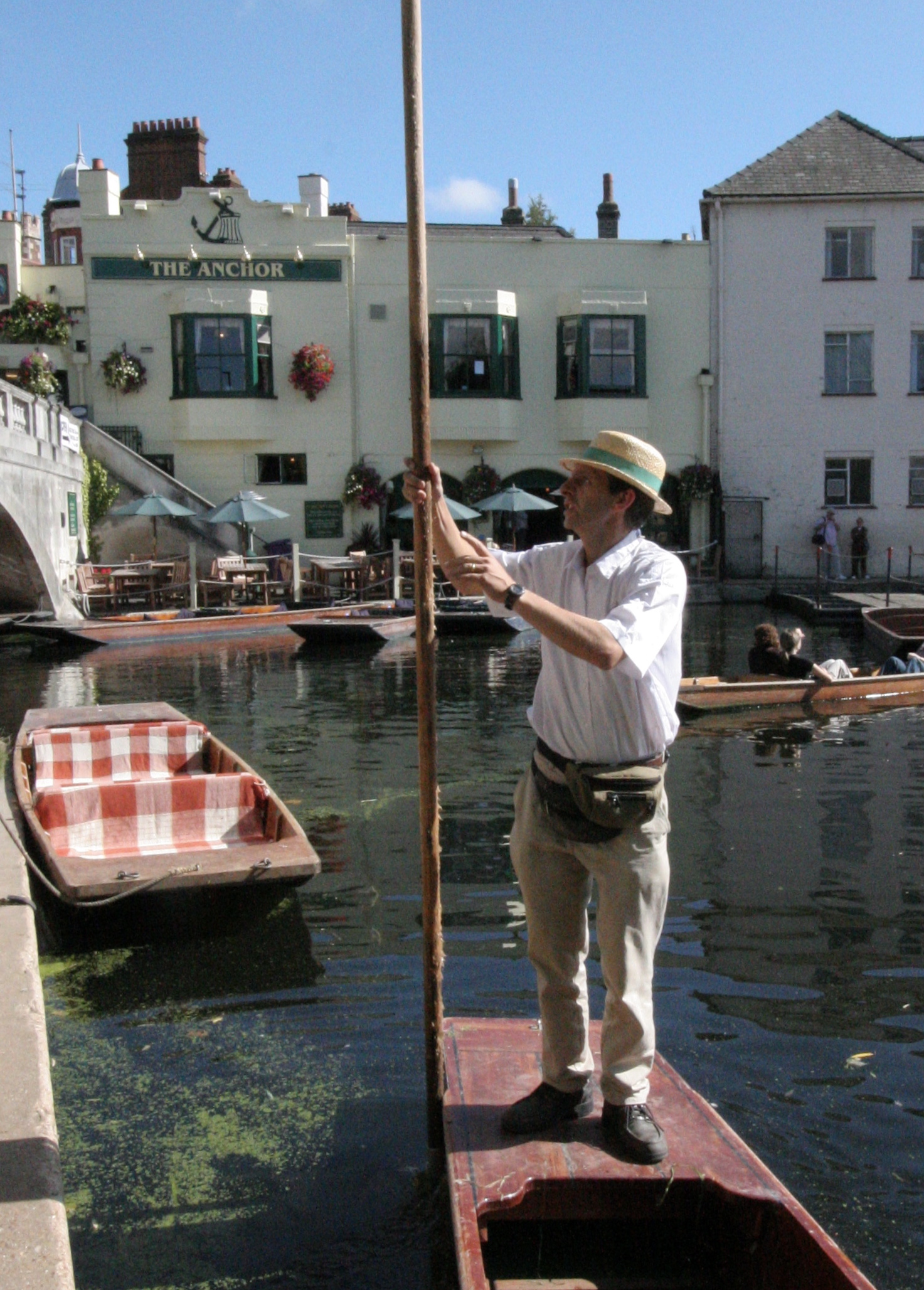 | Punting on the Cam... |
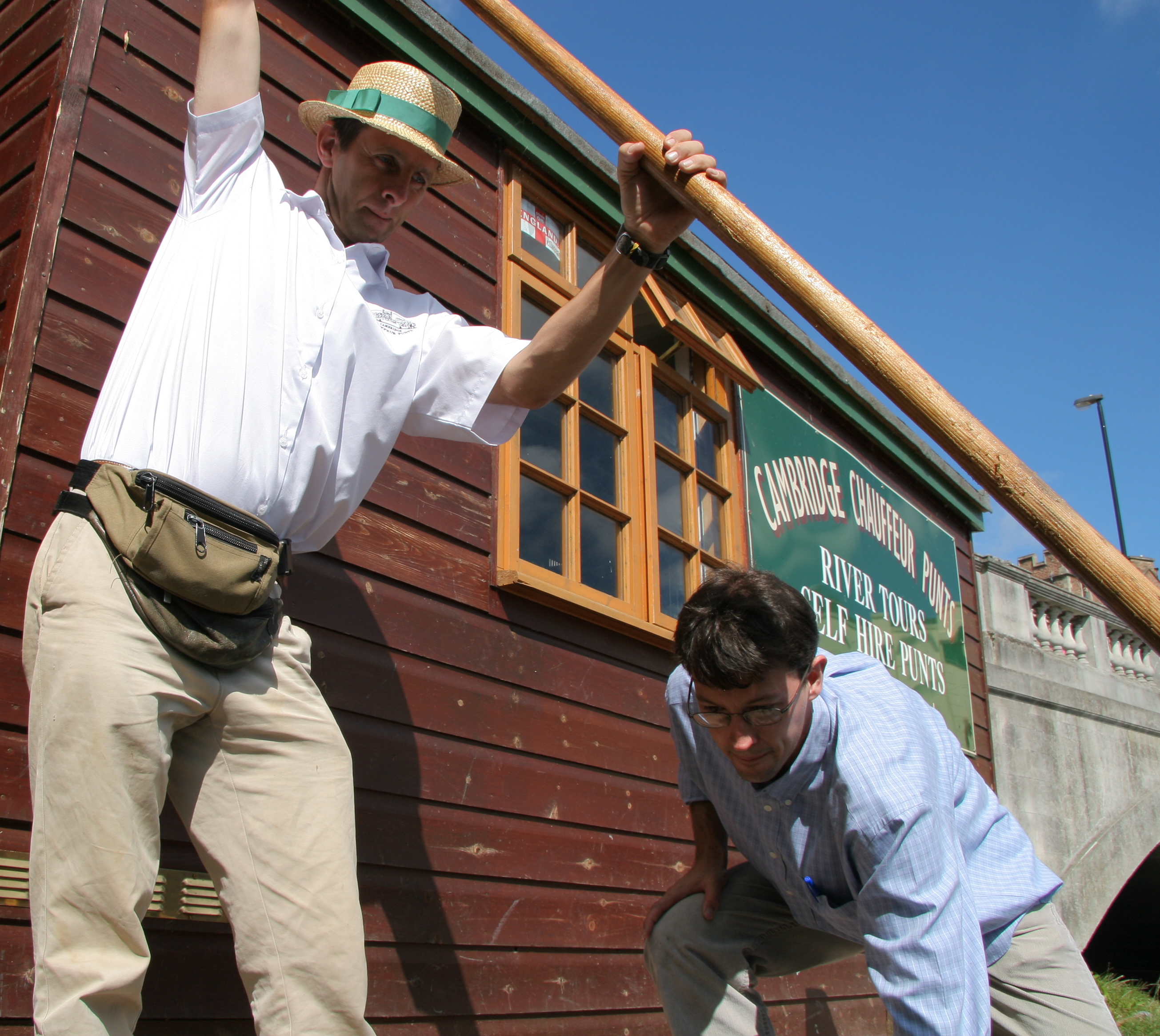
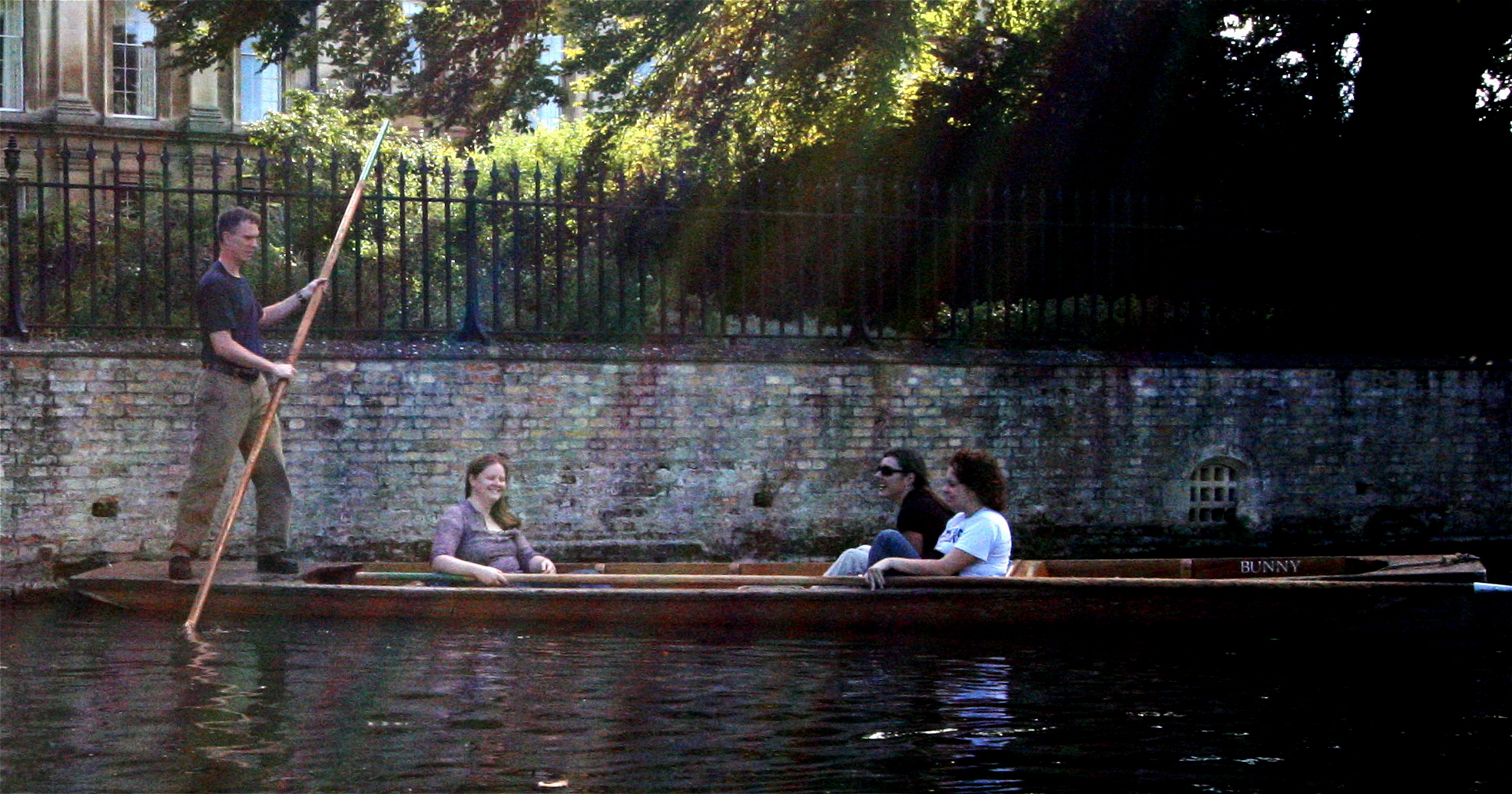 | David Brain and company, just before they came to my rescue as I stuck my punt
in the river and lost it. The punts are similar to the Italian gondolas.
Less-fancy paint jobs and decorations, although they are more egalitarian in
that one can 'self-punt,' as the lingo goes.
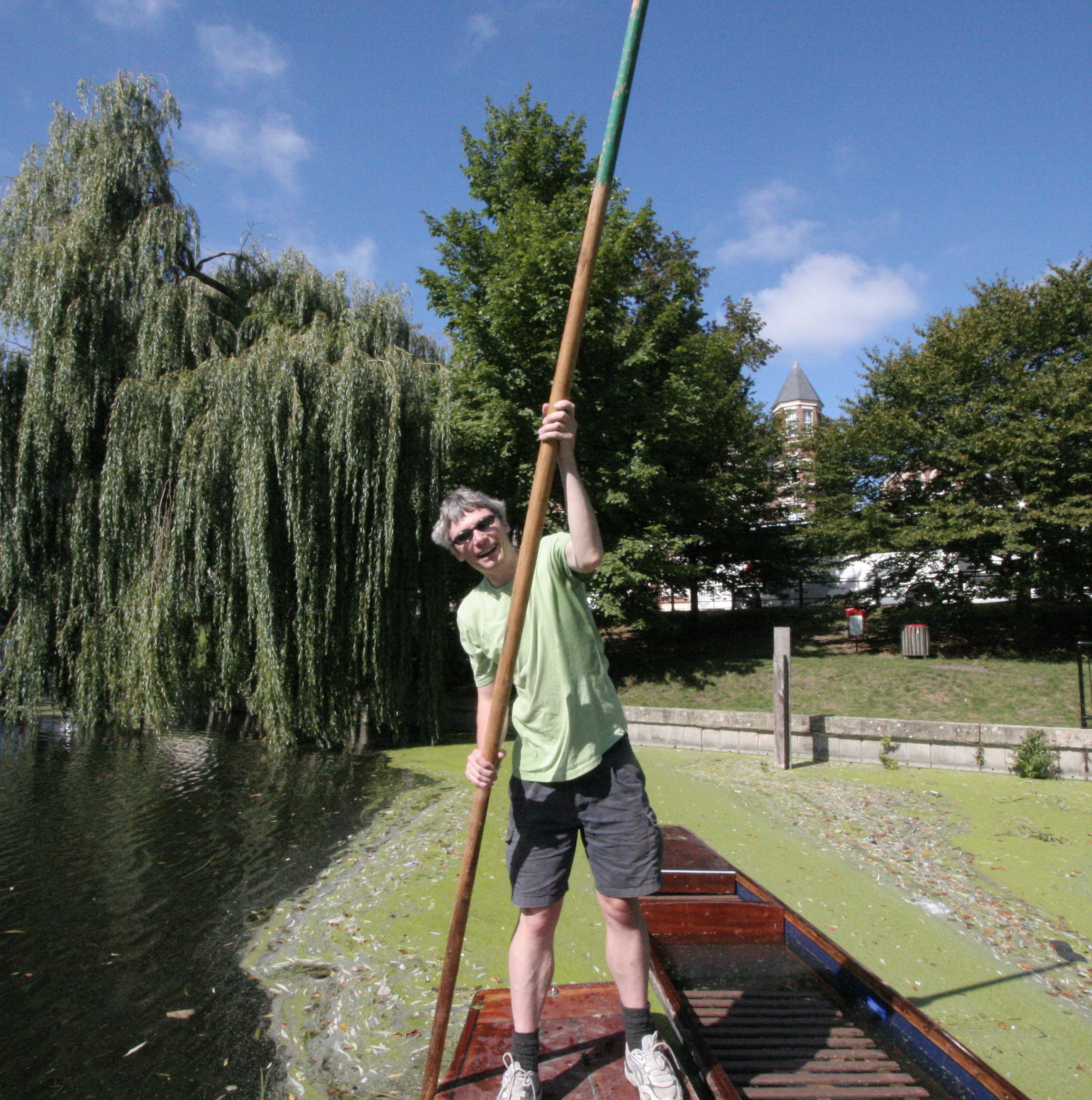
Punting is almost certainly among the least-efficient modes of transportation ever invented. |
 | |
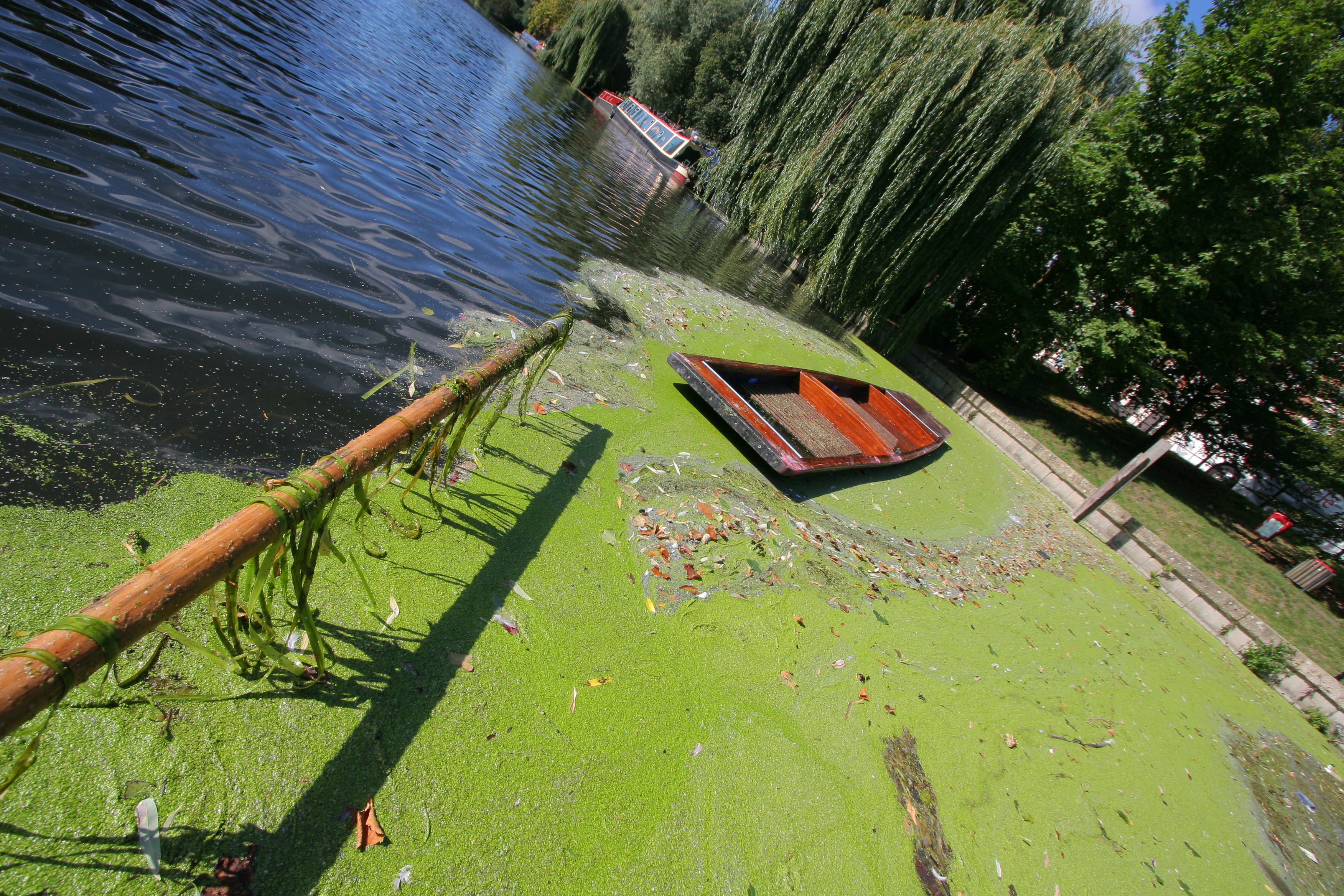
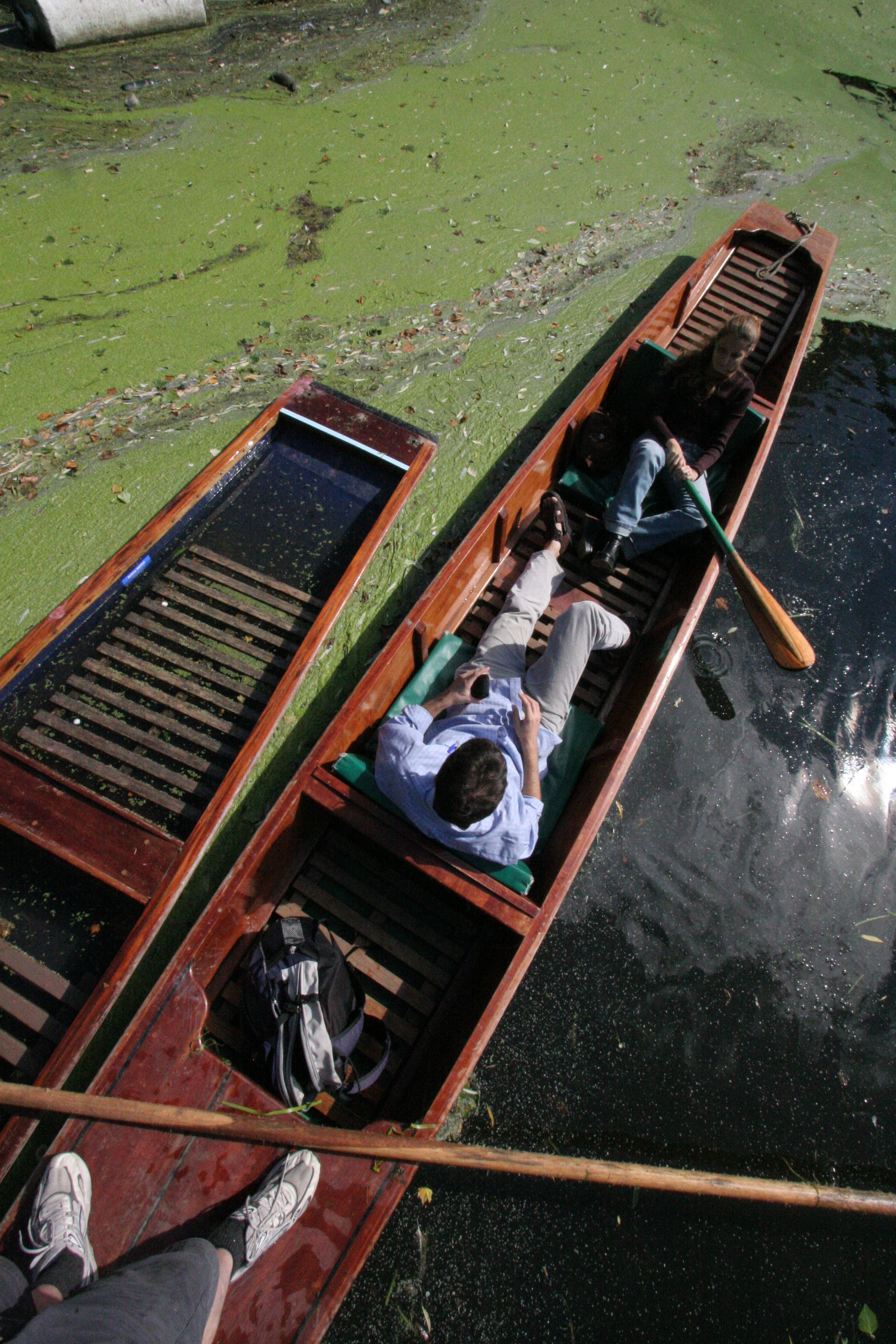 | I've gotten us down to the end of the river before the strainer which keeps wet punts and duckweed from proceding further down. |
 | |
 | |
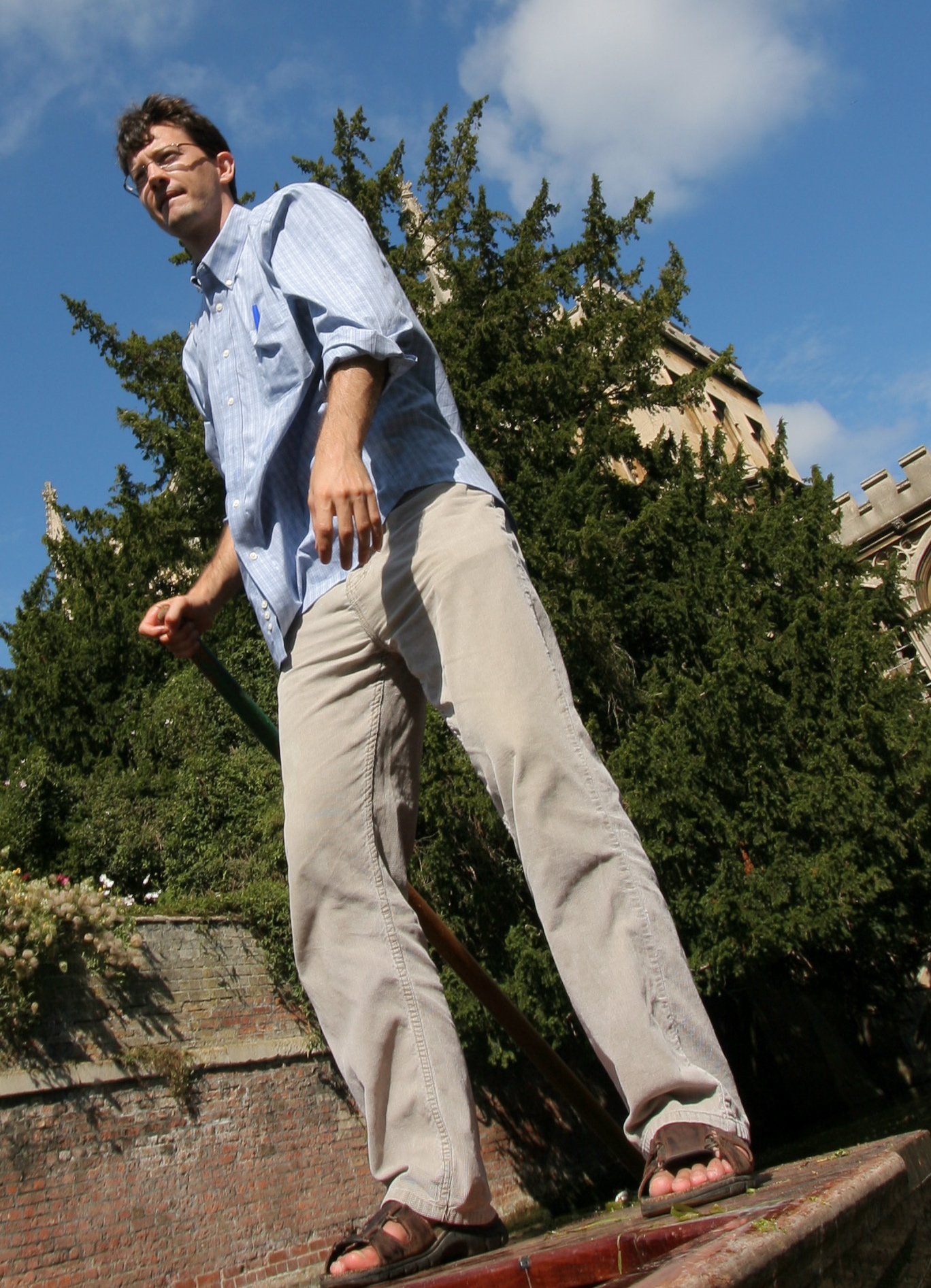
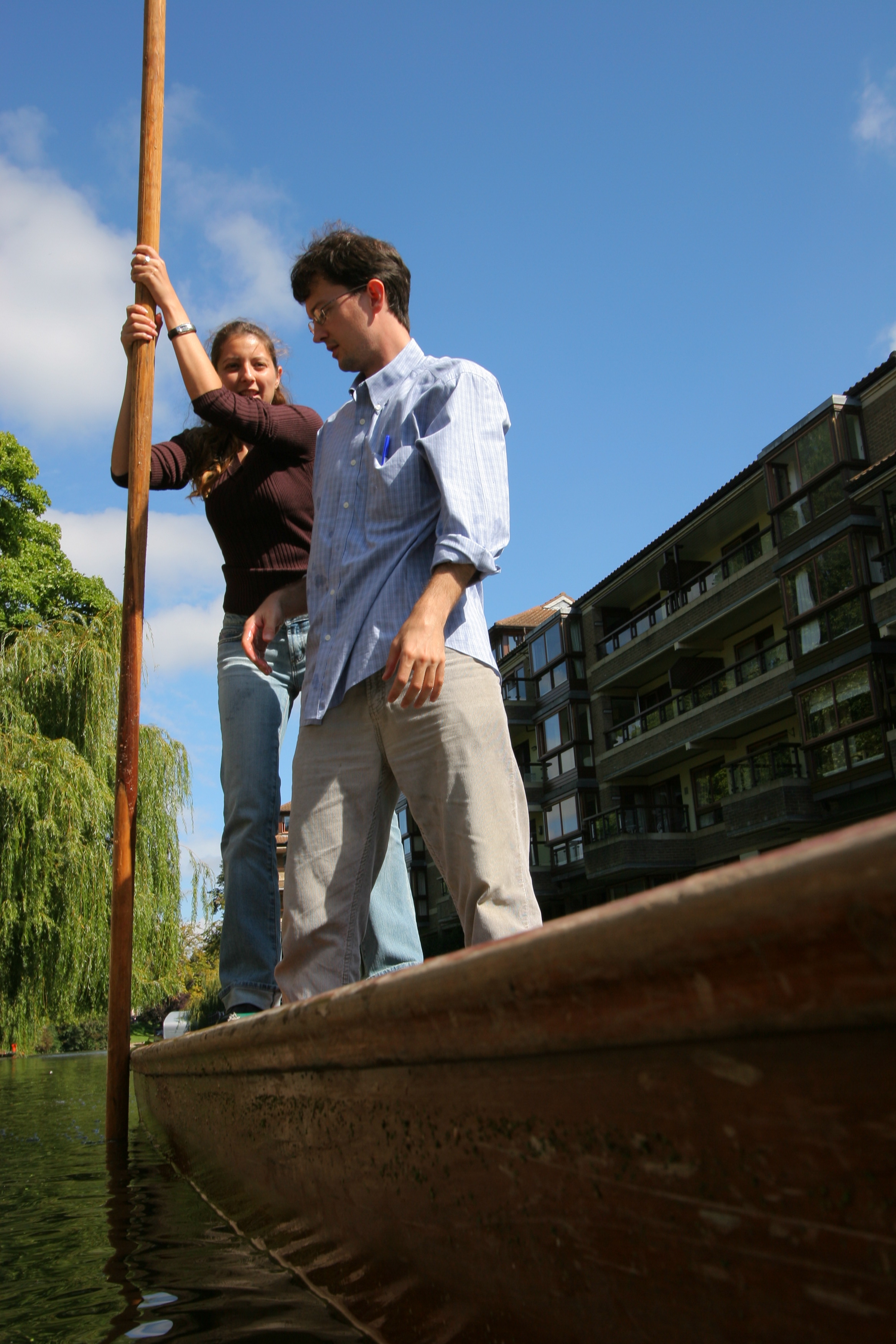 | Andrew and Ravit punt us back. |
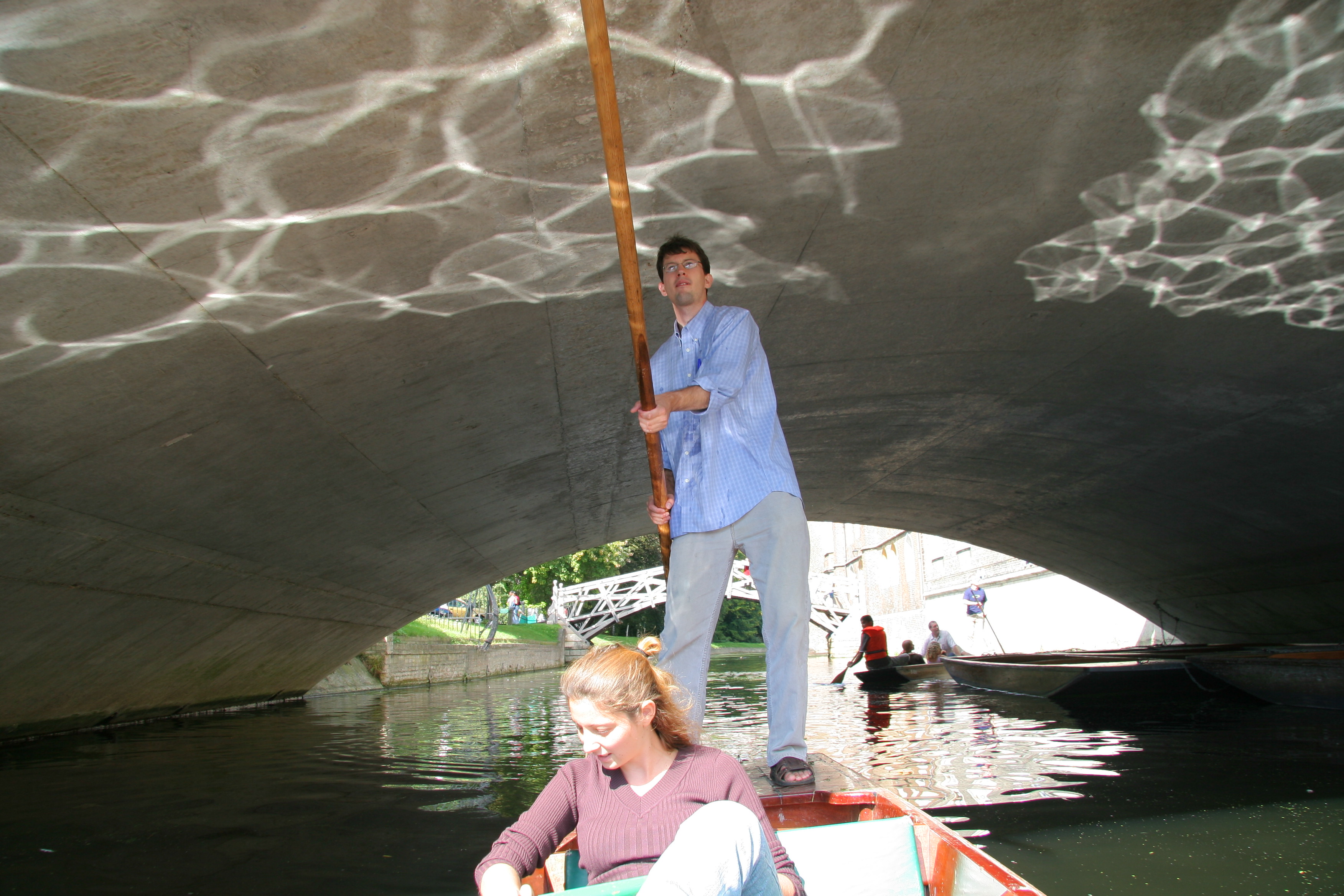
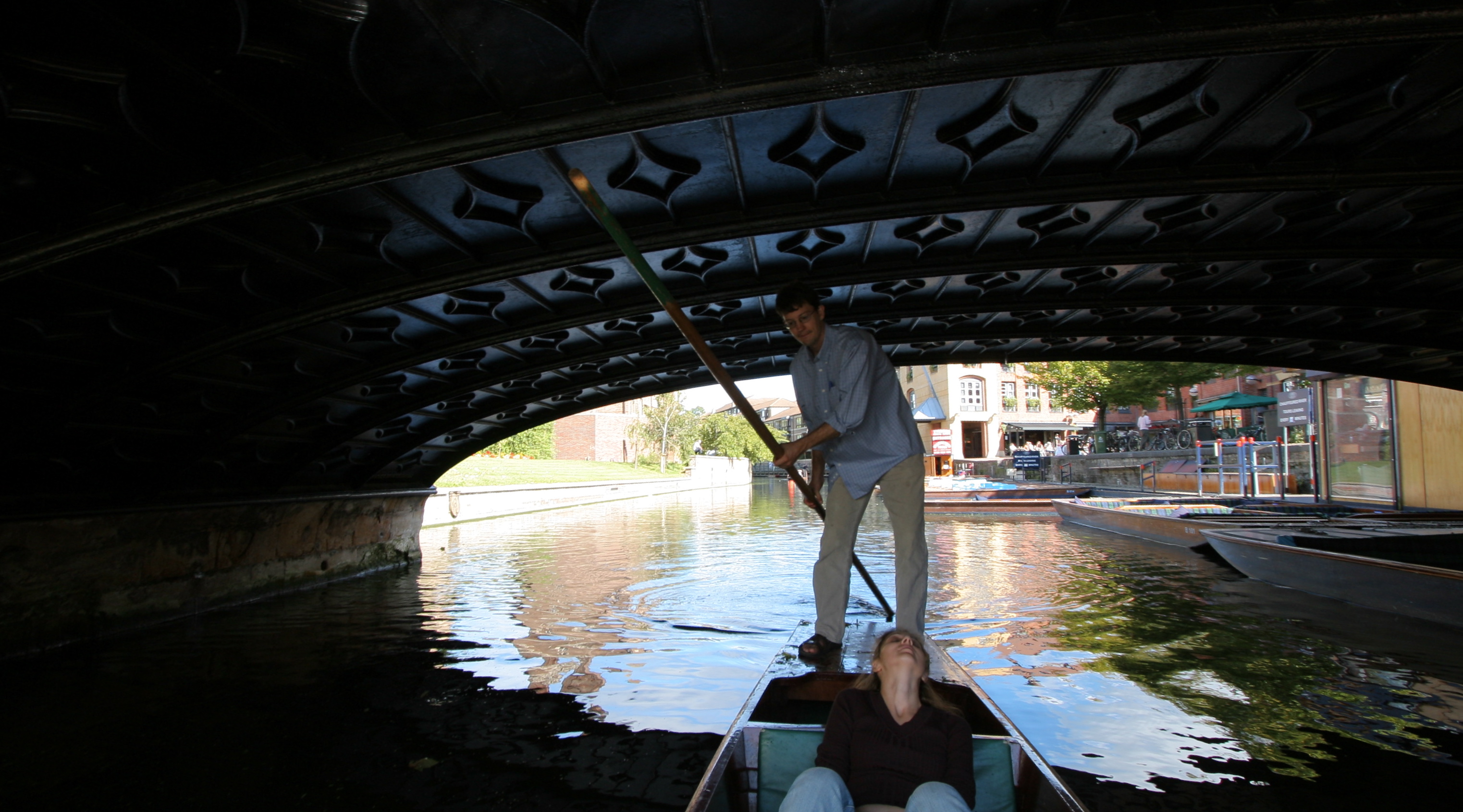 | Andrew is careful of clearance: 15' punt, 3' bridge. |
 | |
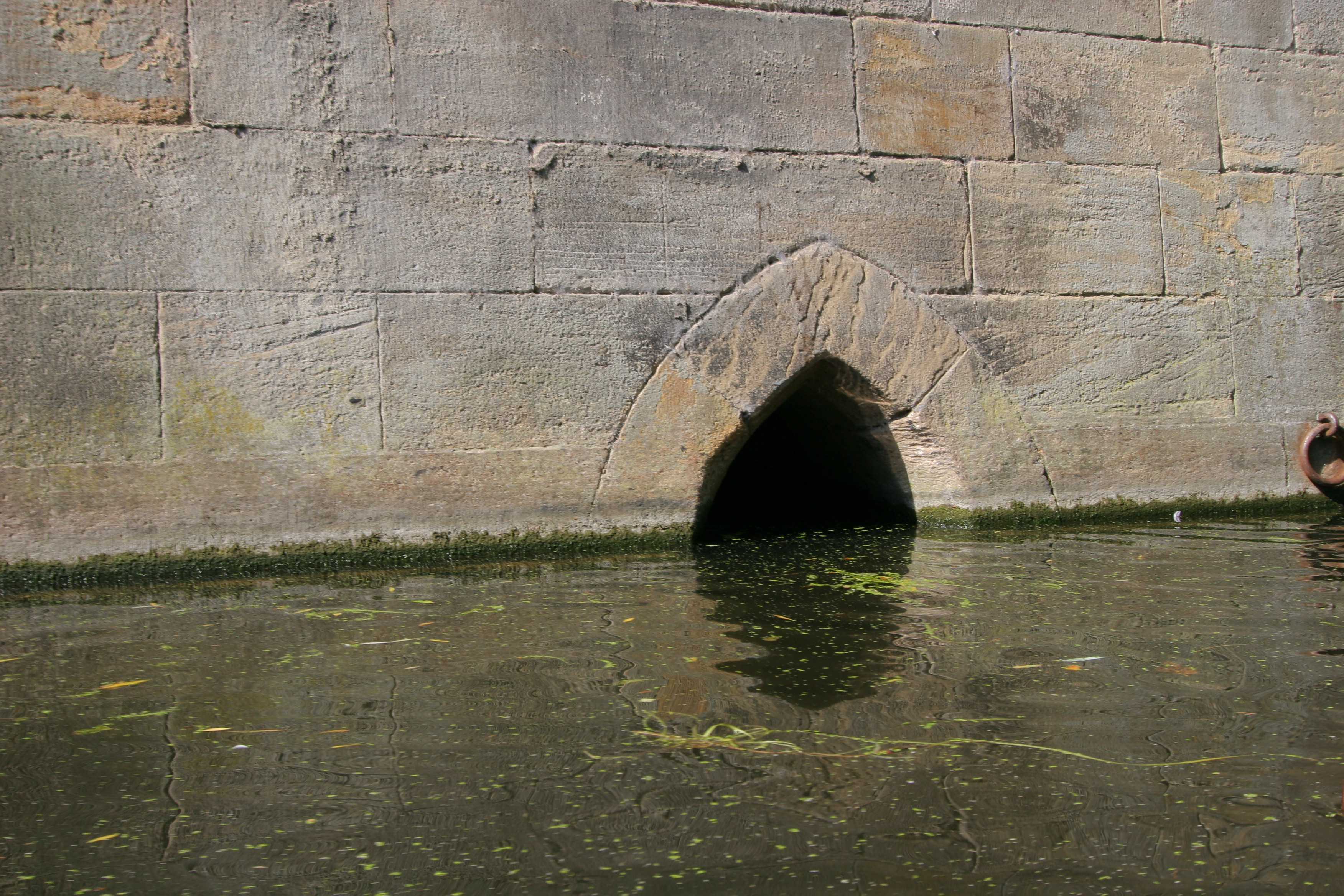 | Did the river level rise? |
 | |
 | |
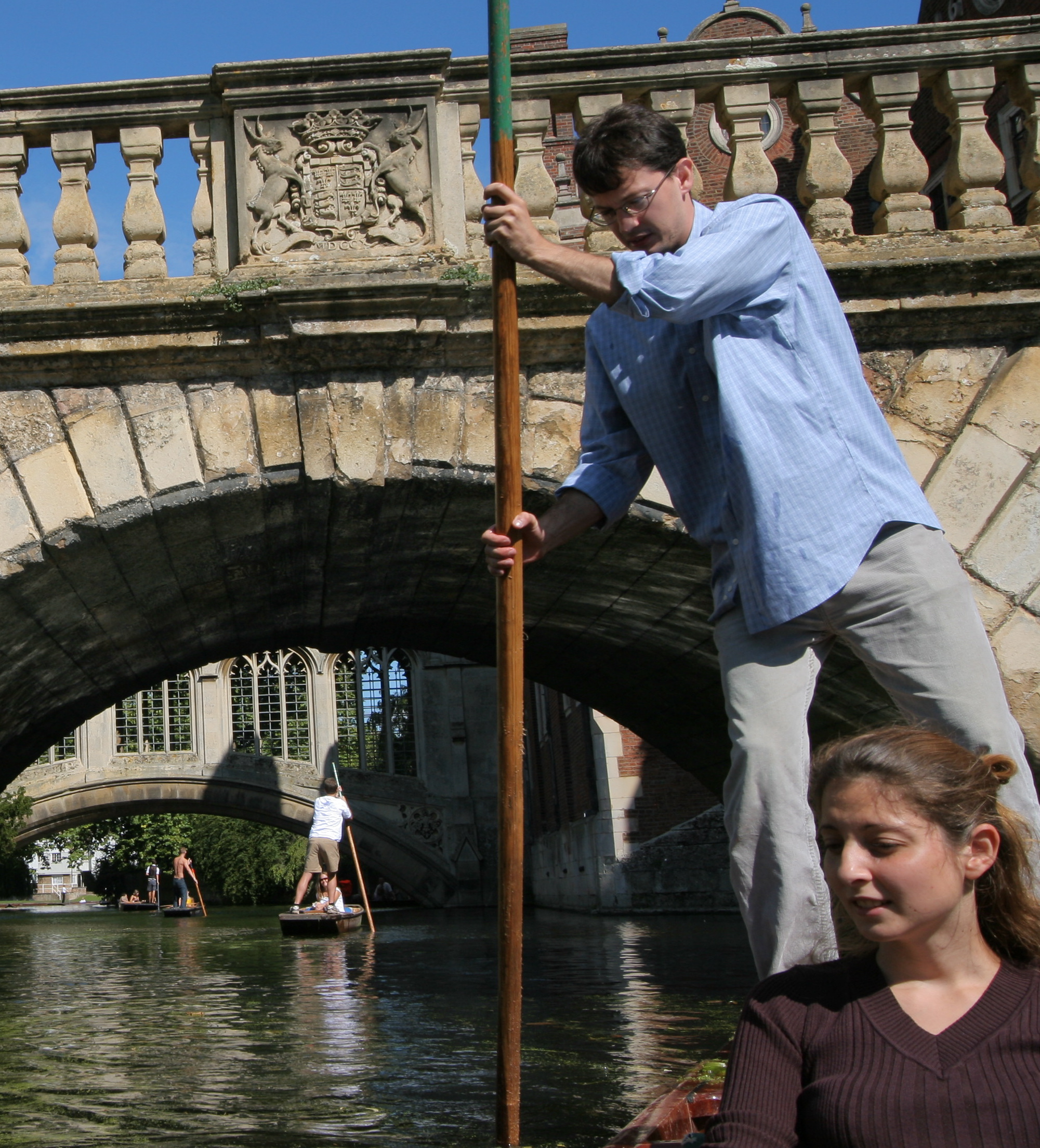 | A slew of punts behind us... |
 | |
 | |
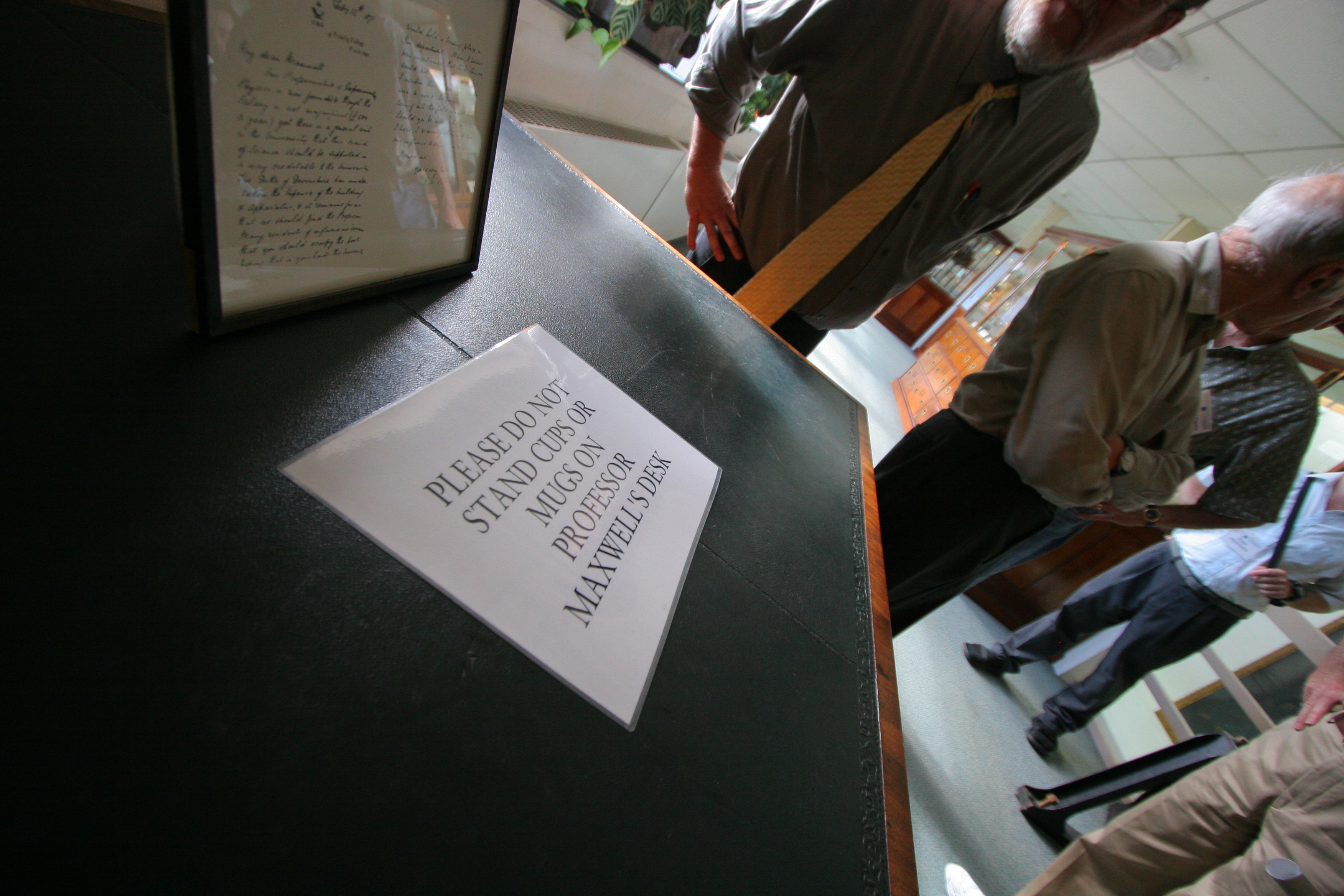 | I tagged along for a trip the Historical Astronomy Division was having, seen here at (the new) Cavendish Laboratory. |
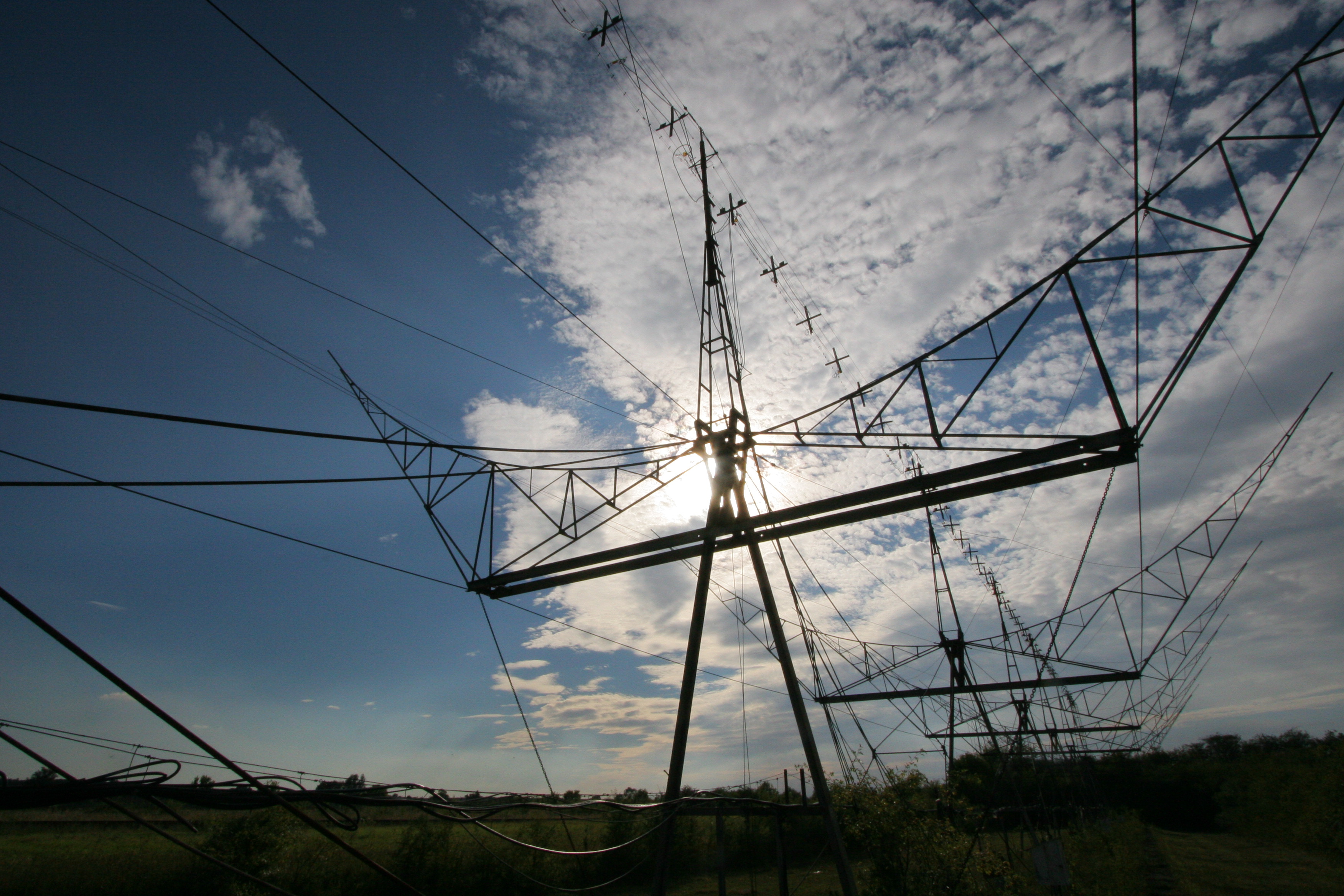 | Check out that radio antenna, just outside of Cambridge! This was (I believe) used to perform the very first radio survey of the universe. The pulsar was discovered on another set of antennas adjacent and left (not quite visible), which look sort of like a grape vineyard. |
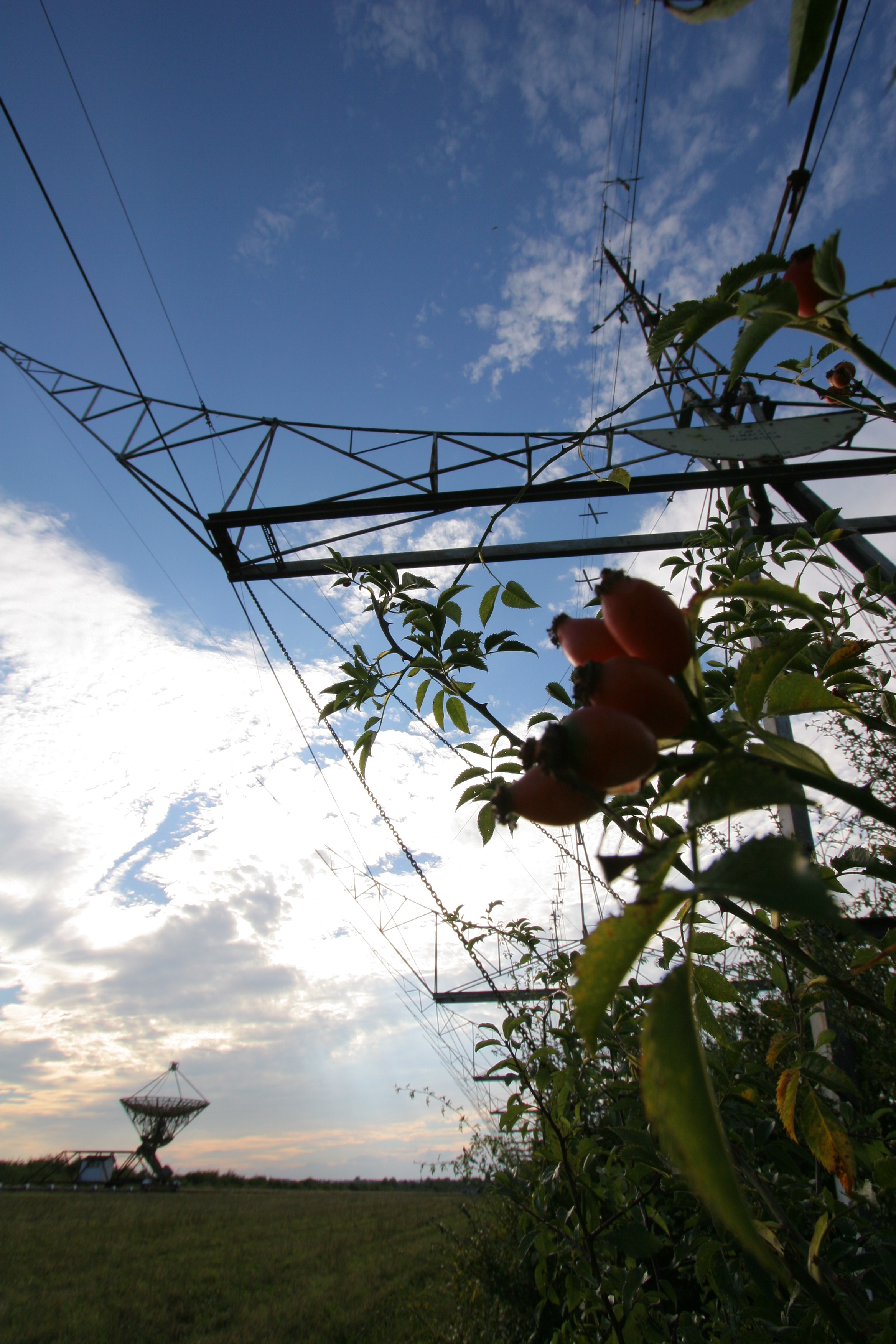 | Now, it sits amongst the rosehips... |
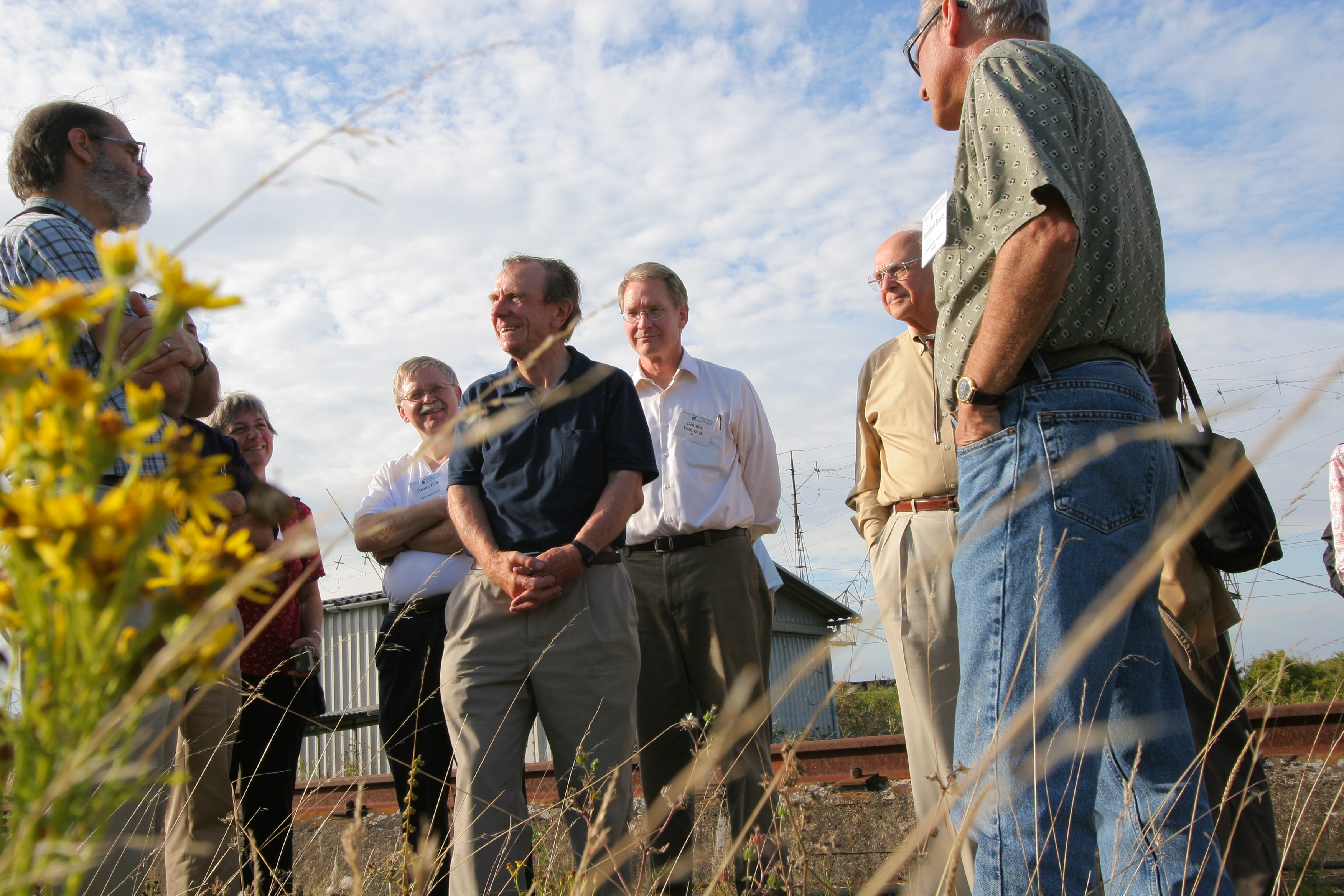 | Various historical astronomers. |
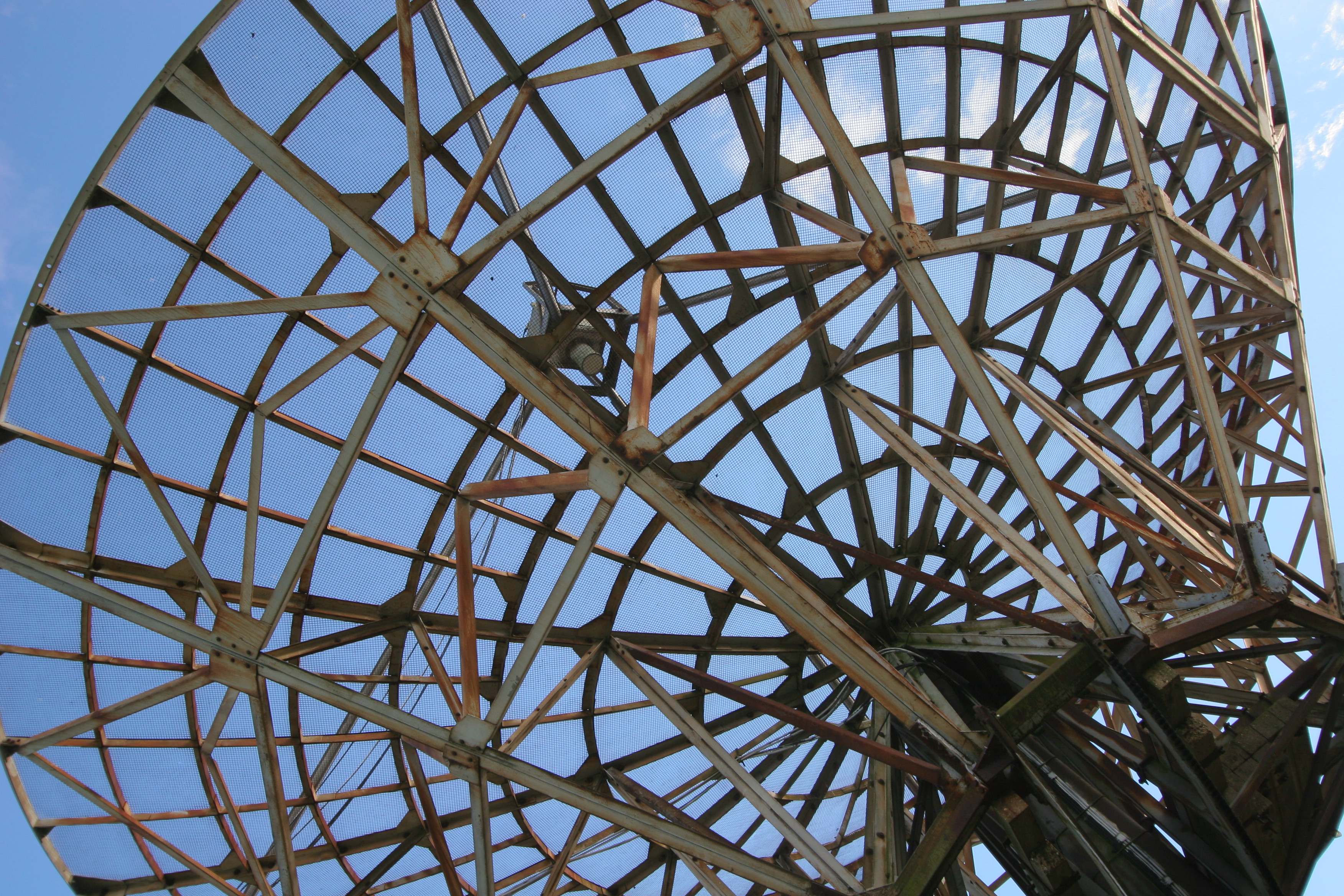 | |
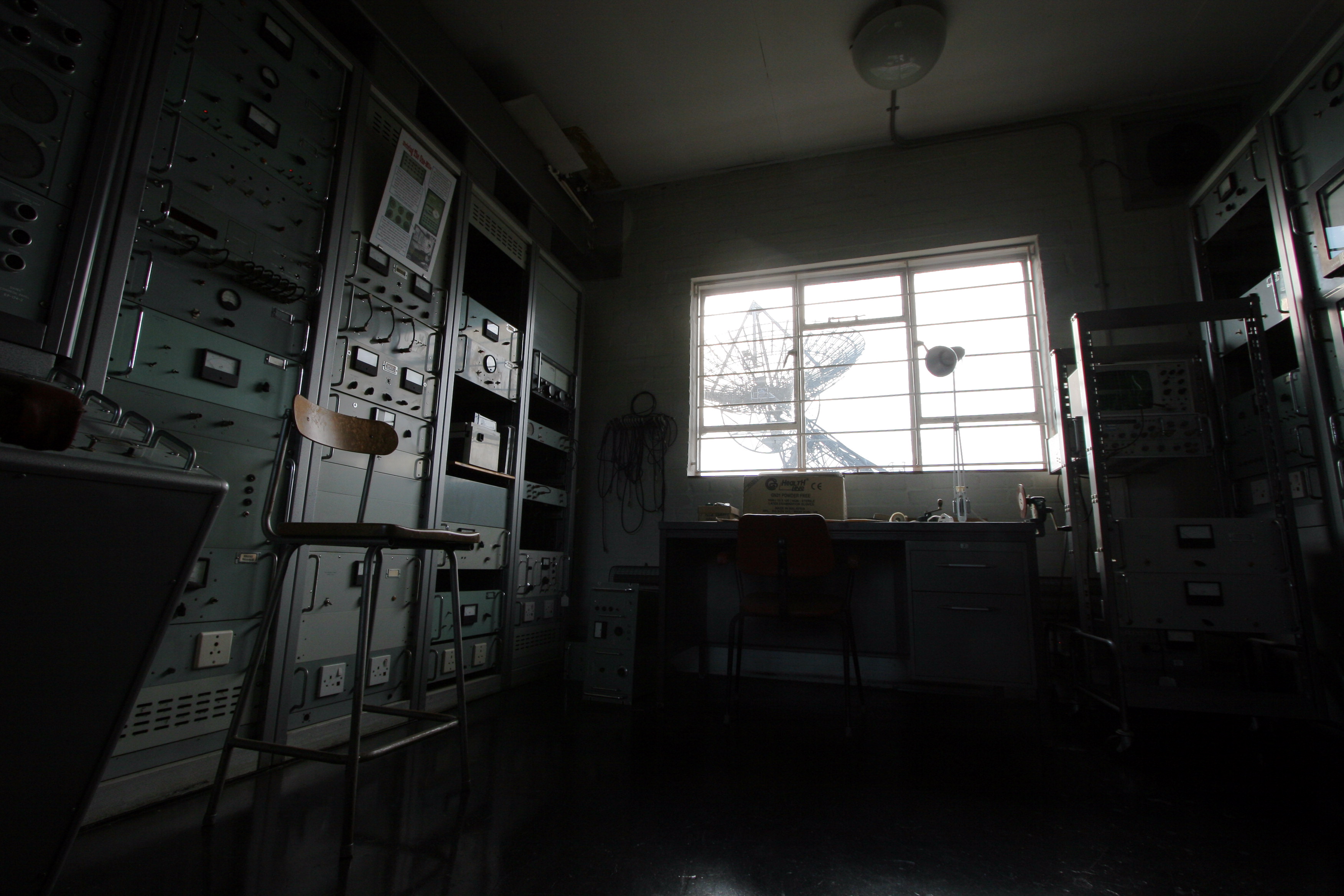 | Control room for the dish behind... |
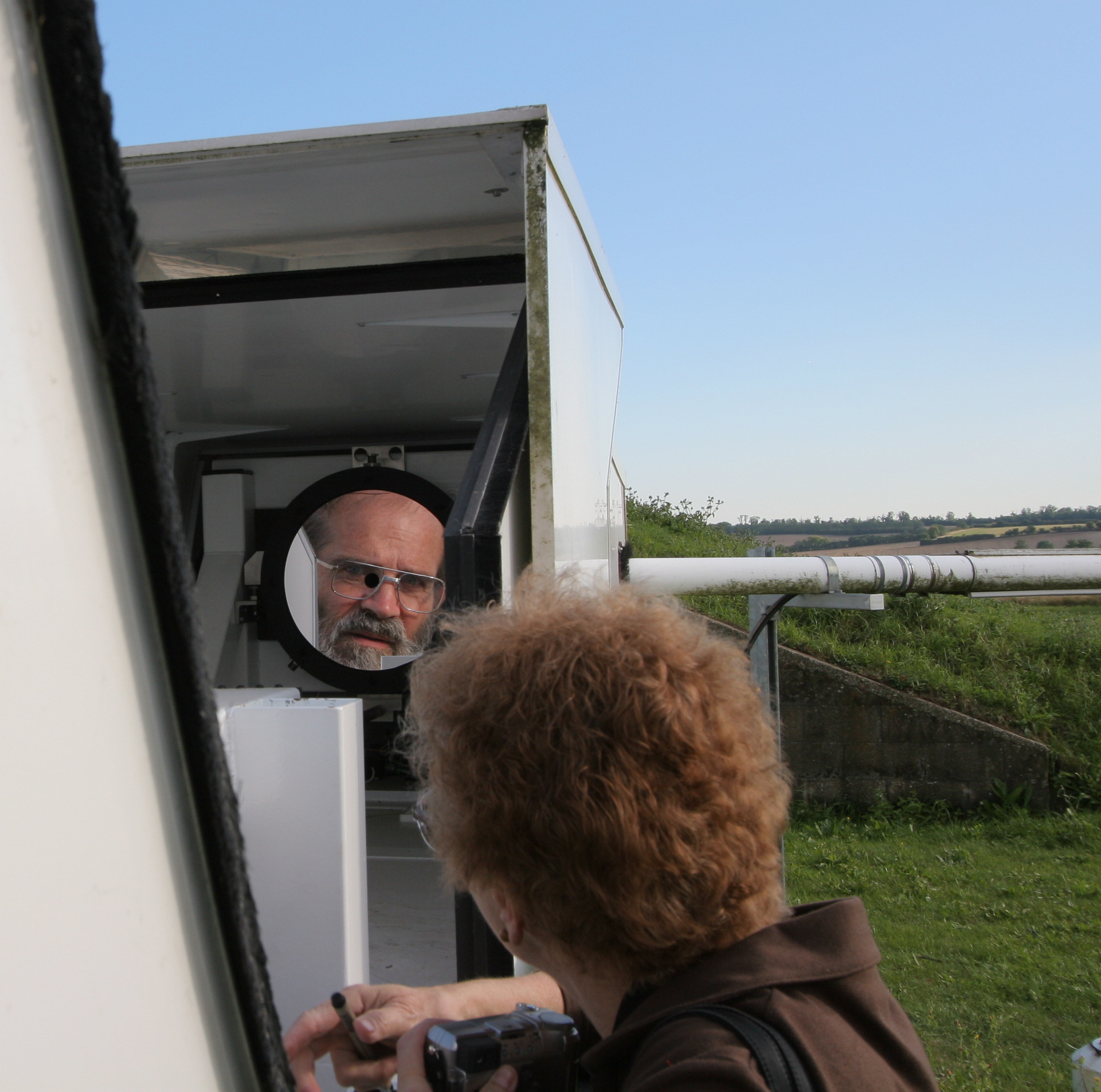
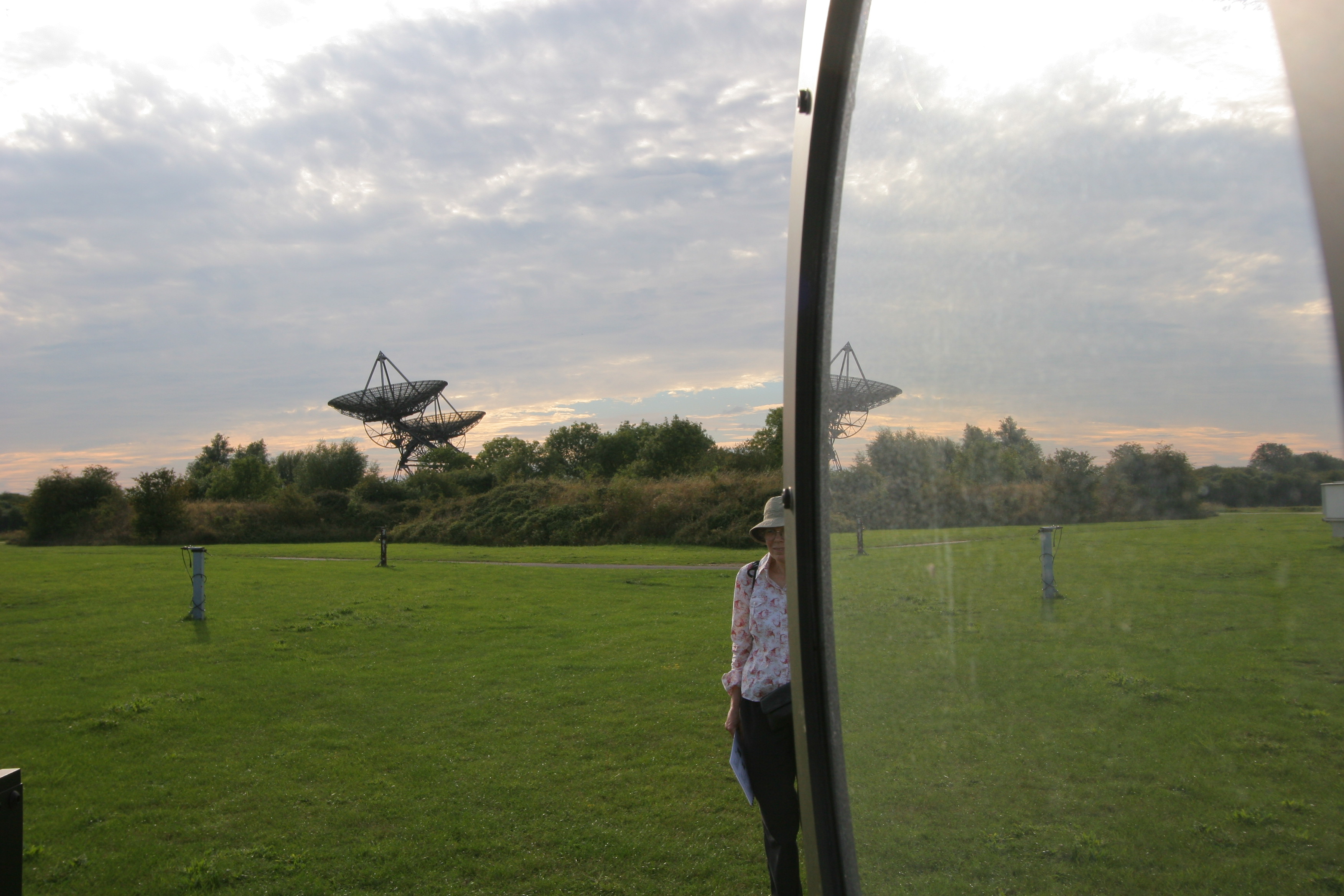
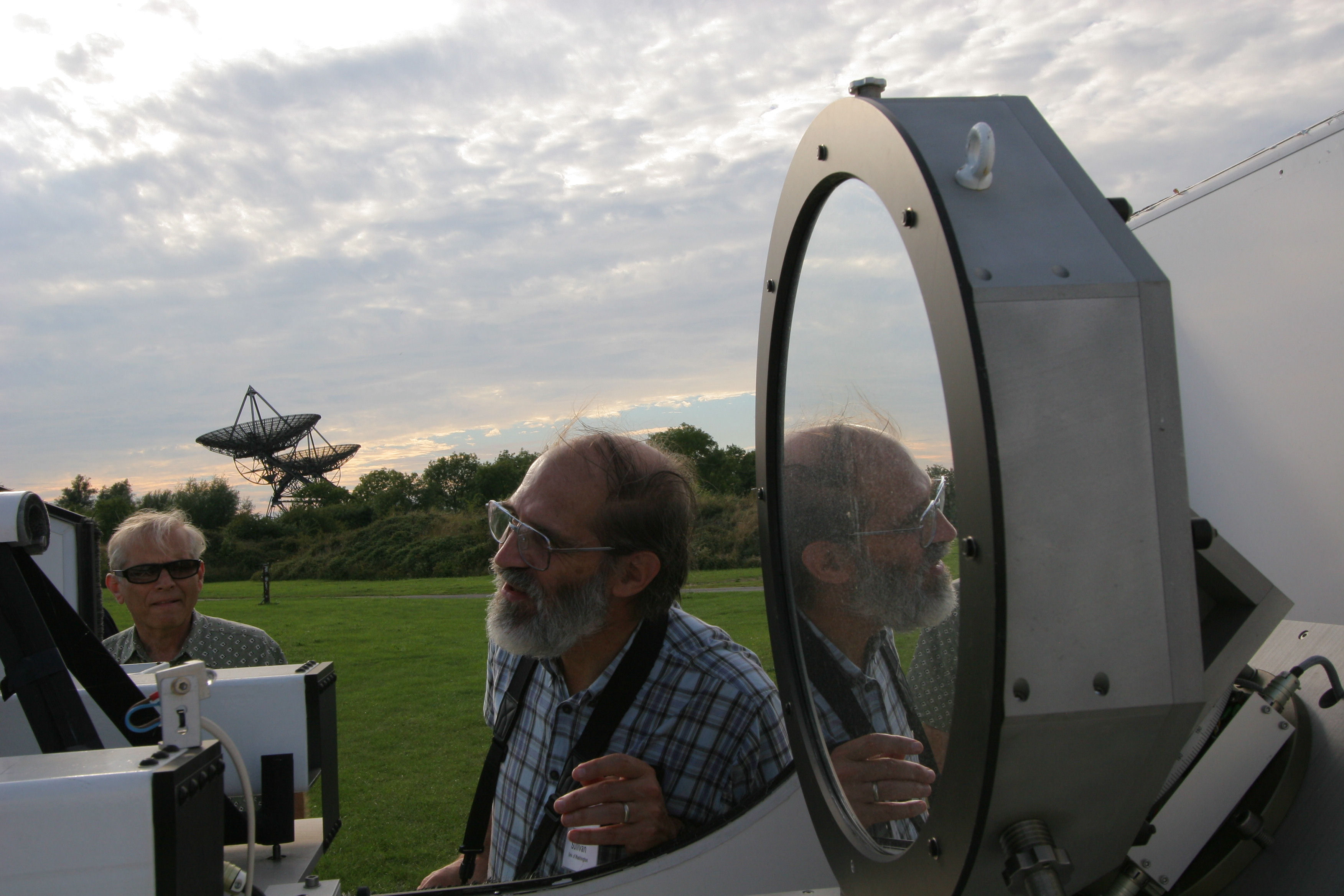 | Optical interferometer. |
 | |
 | |
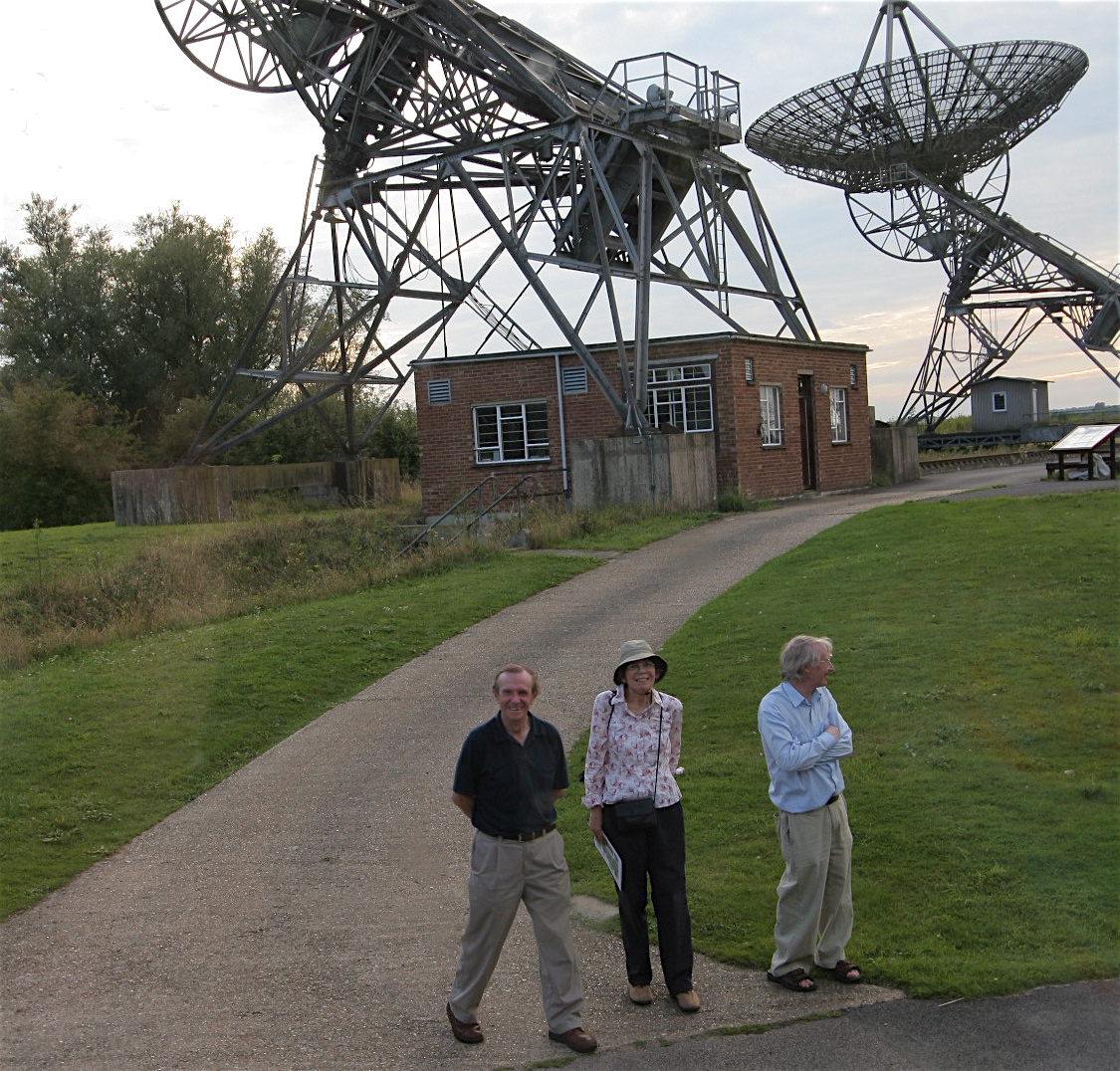 | The radio observers stay as we depart on the bus... |
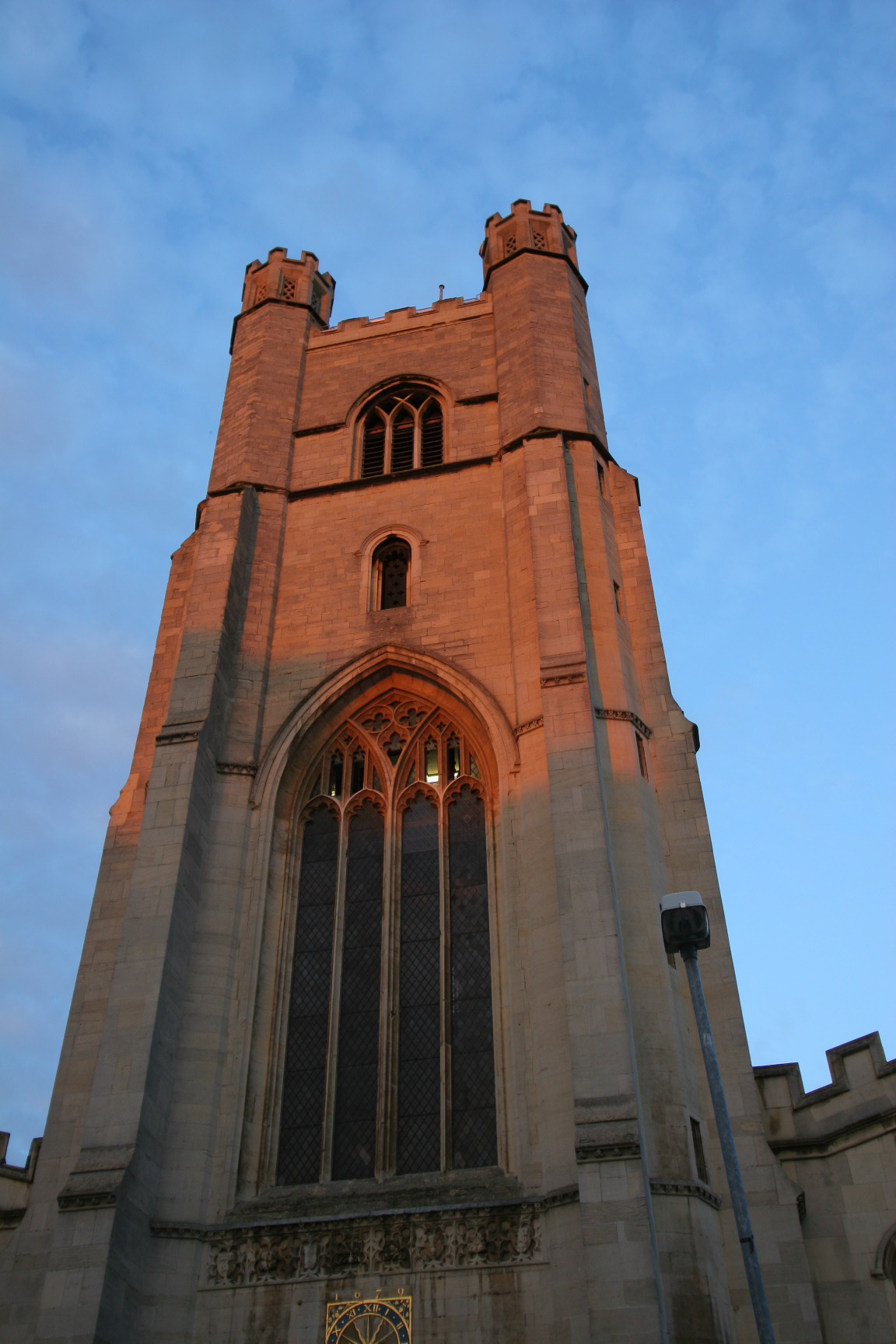 | Whoa! There was a whole mess of bells ringing here, in the city's main cathedral. They were actual bell-ringers, visible (to me) through the windows above. |
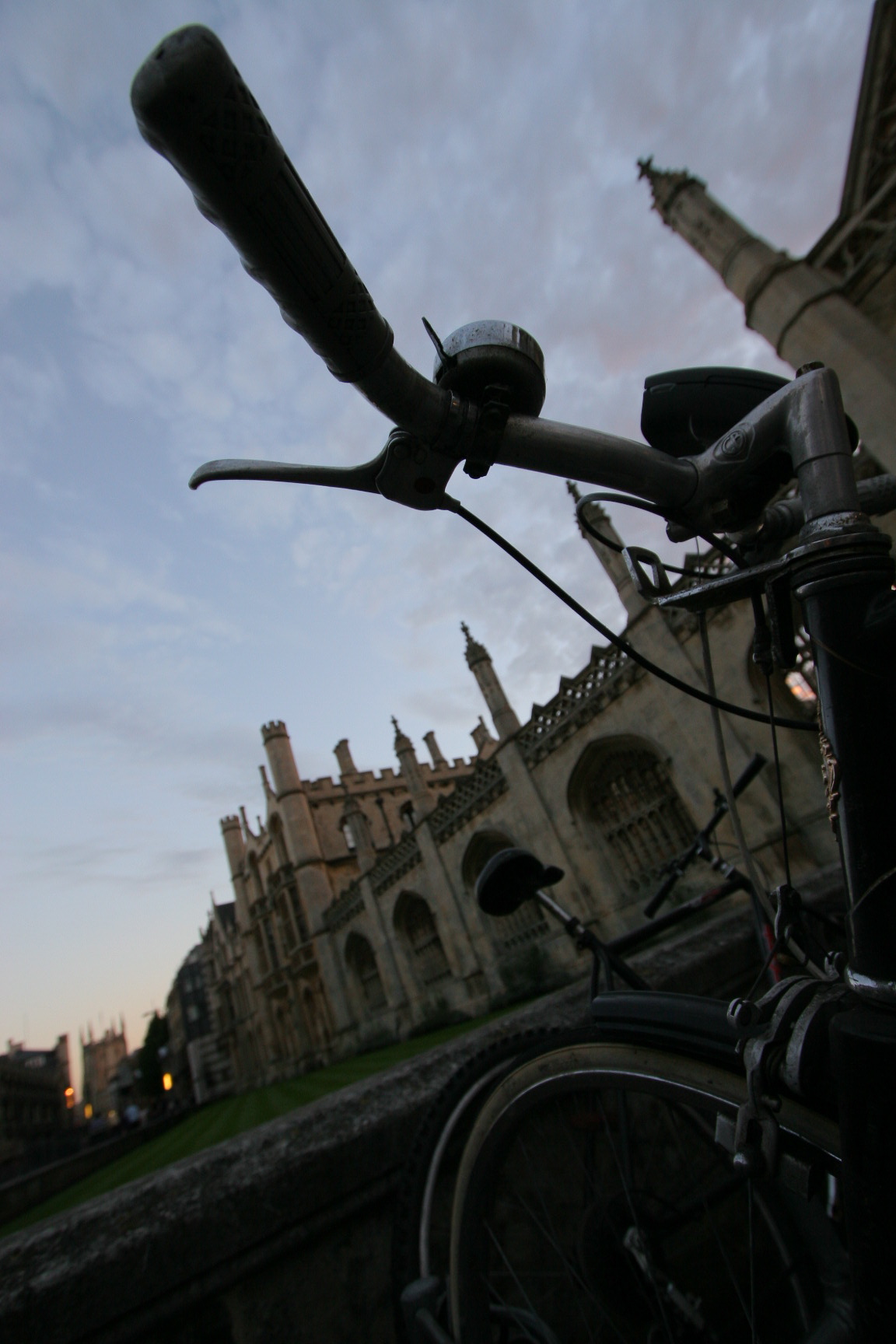
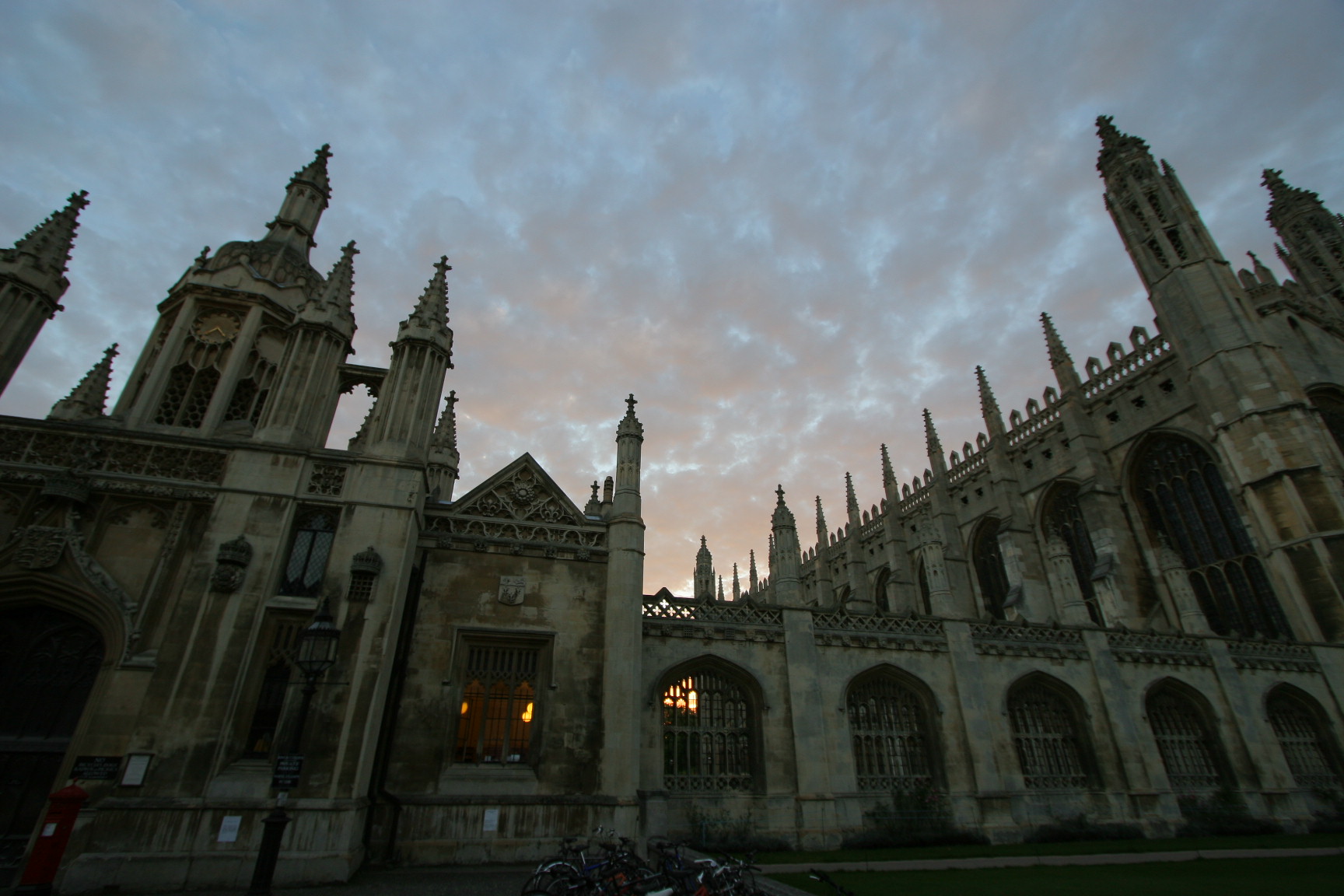 | King's College. |
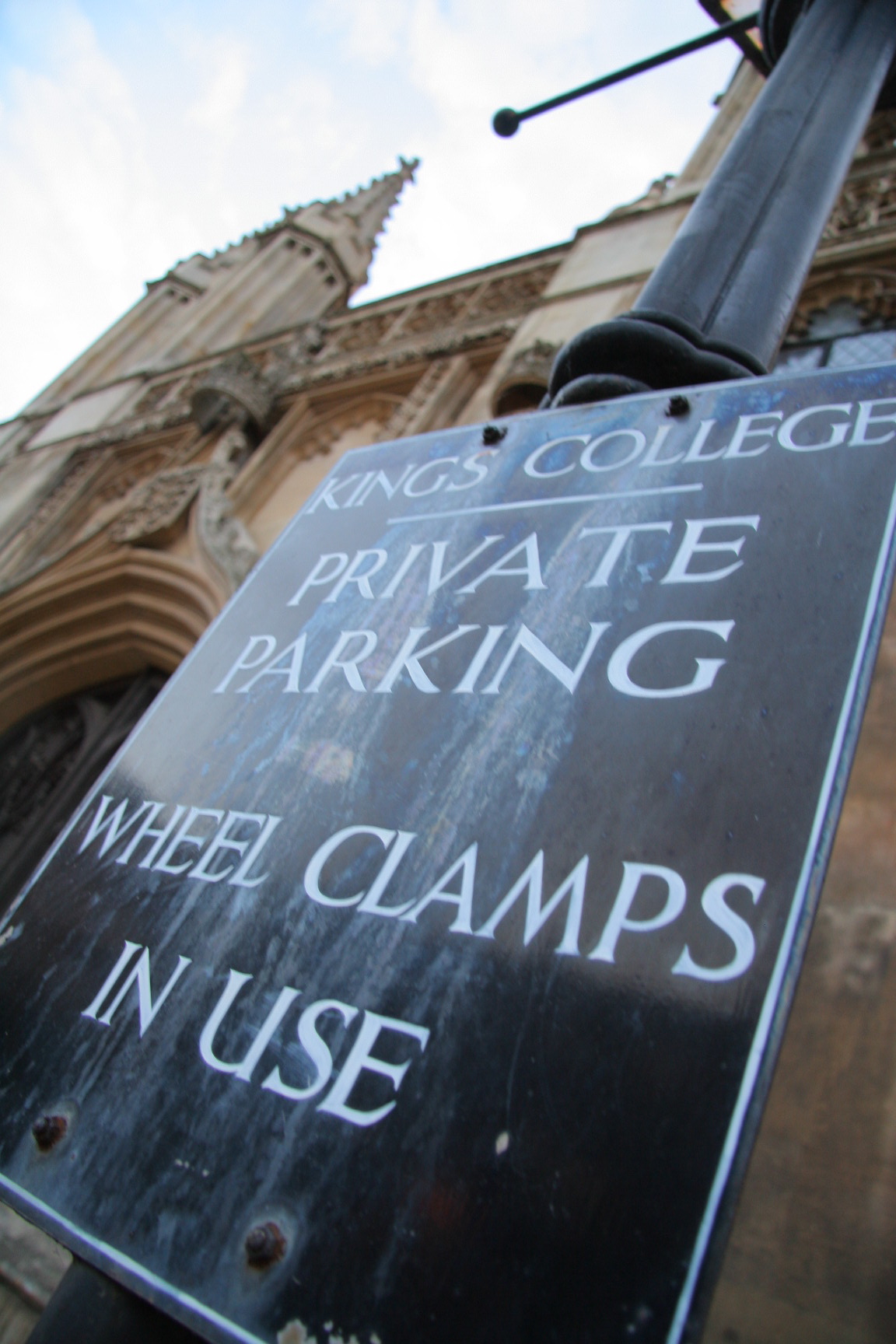 | The King is serious about His parking. |
 | |
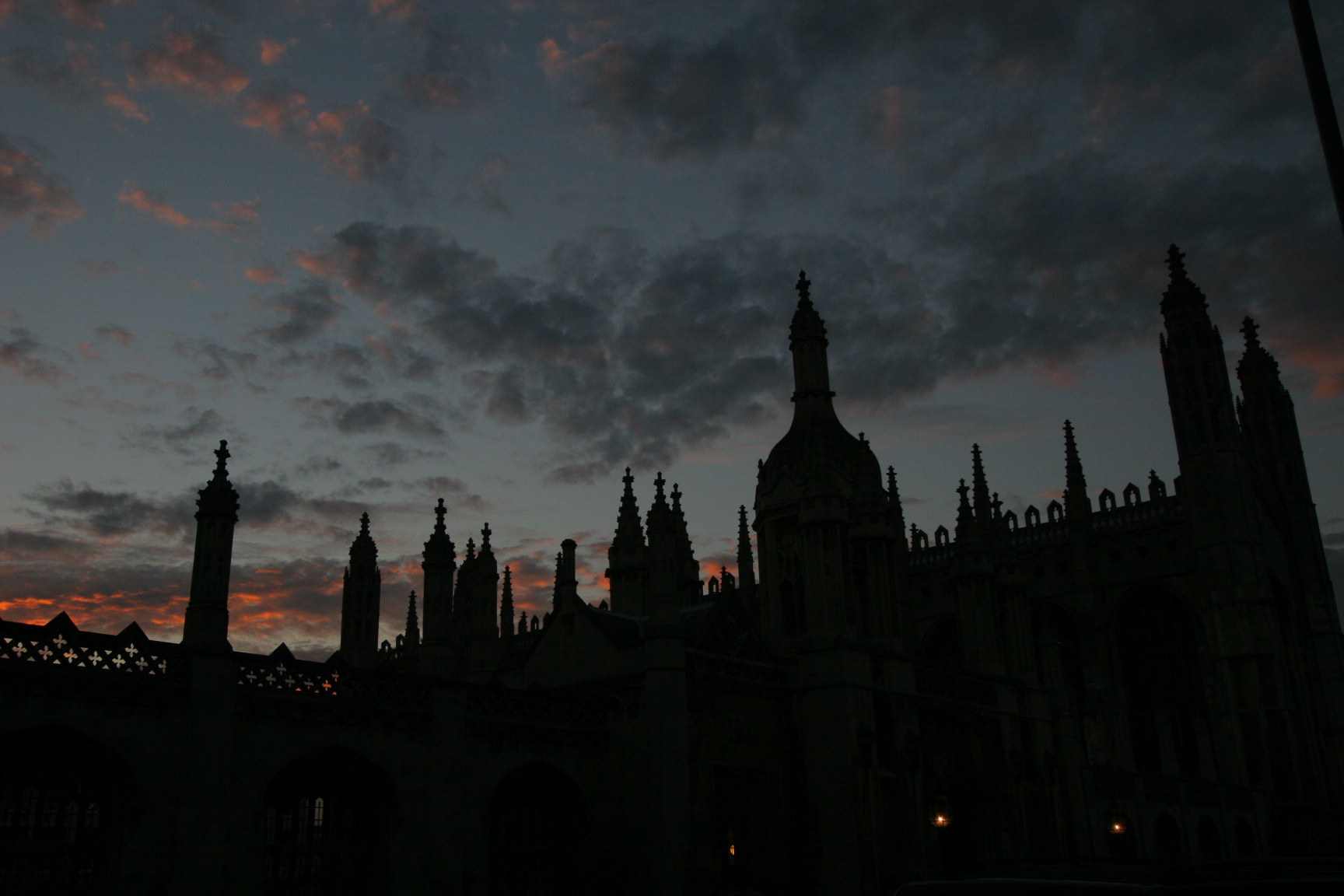 | King's College, again... |
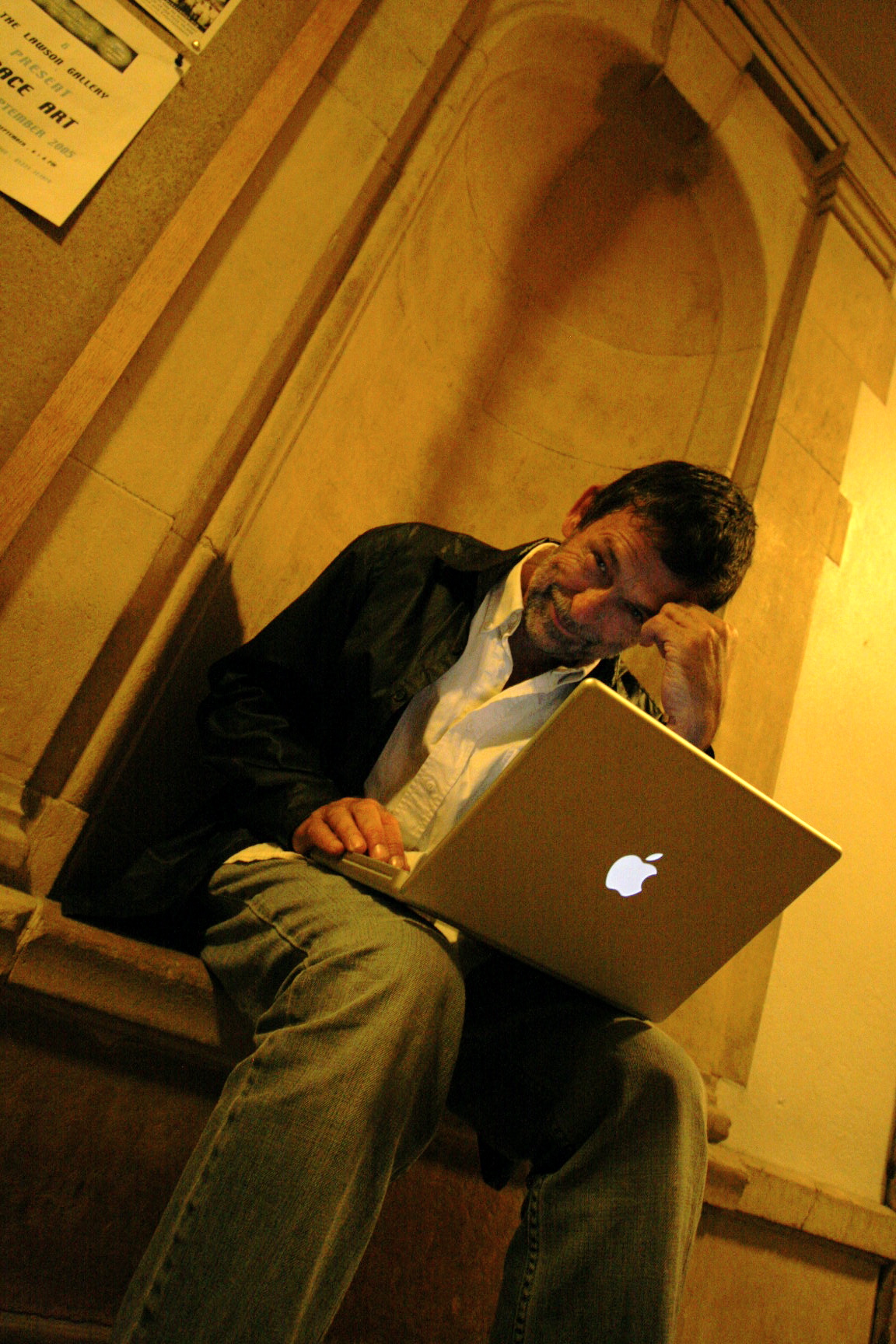 | |
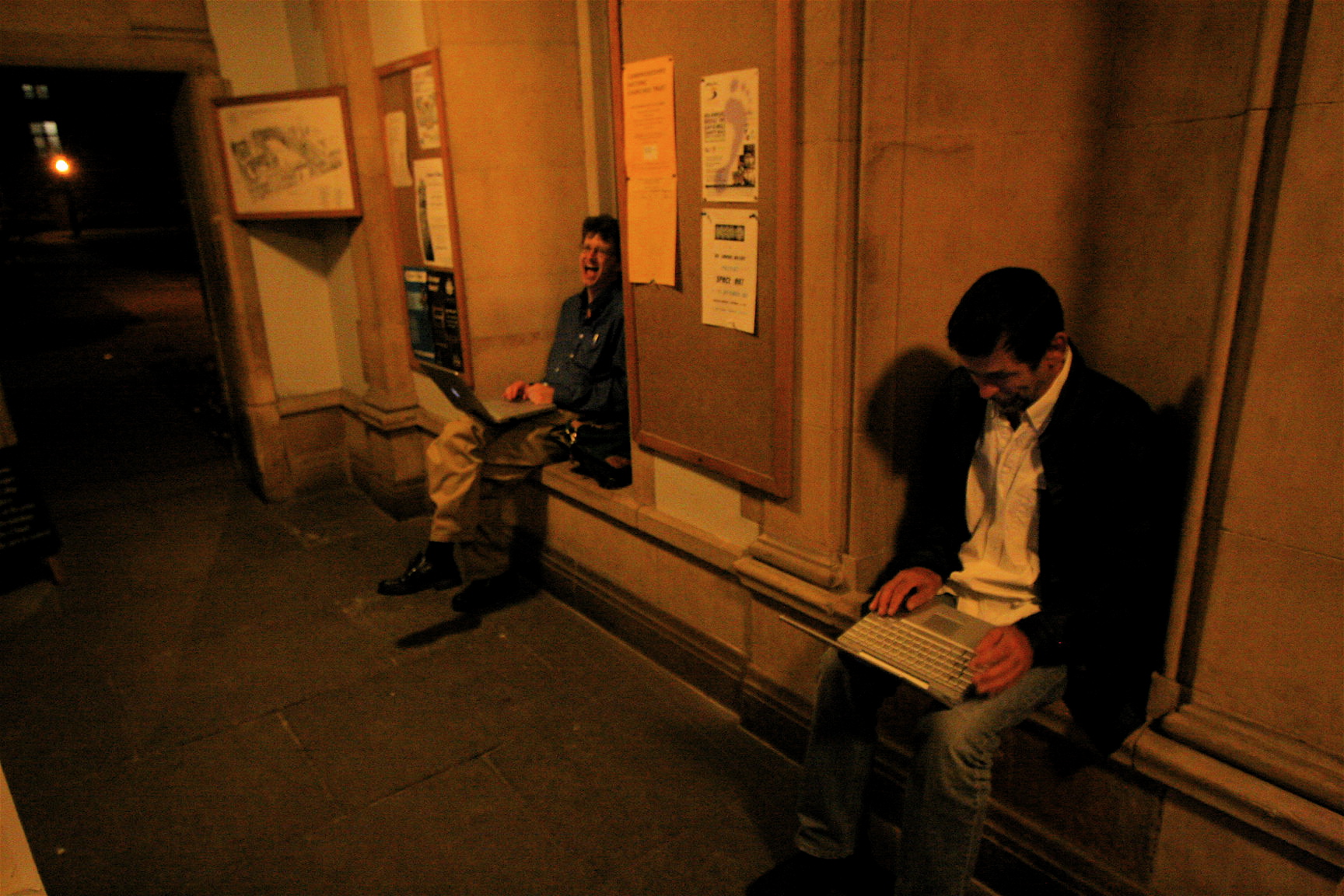 | Nick and Bob take their e-mail seriously. |
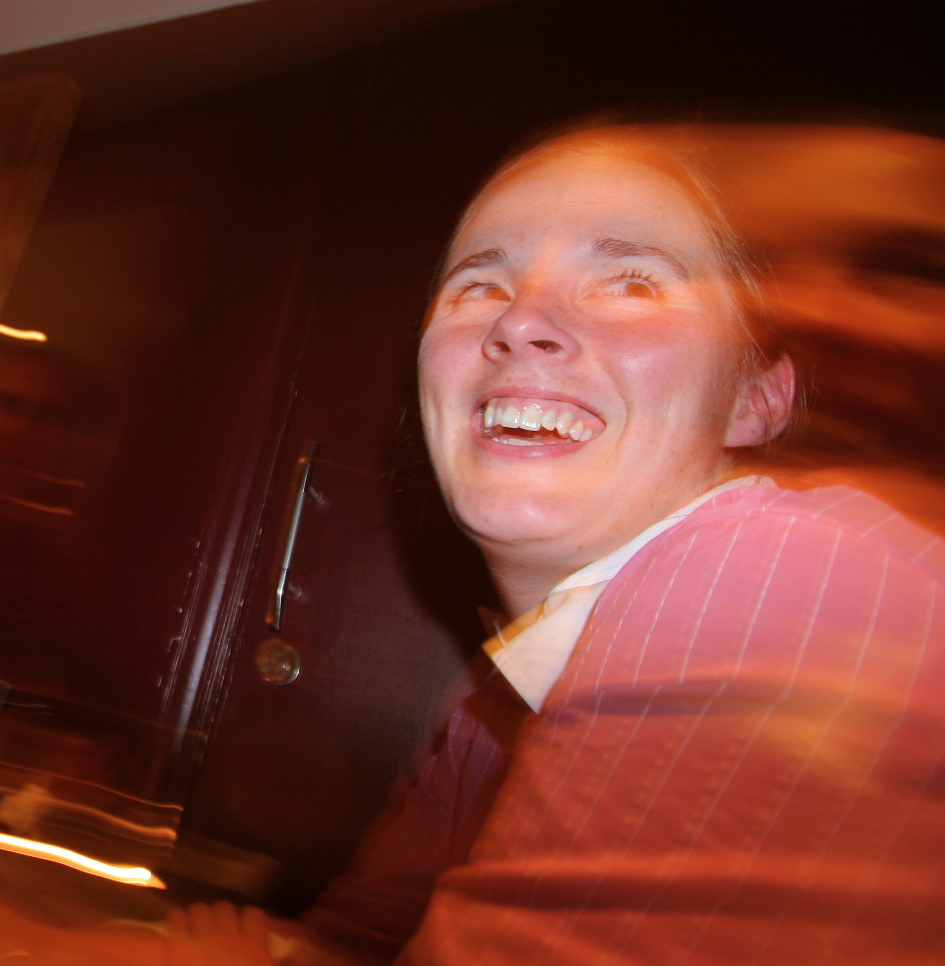
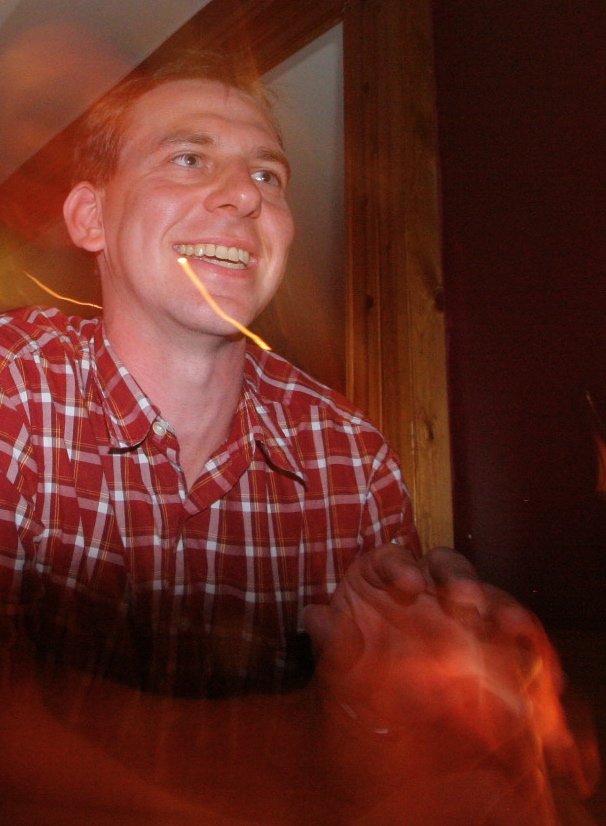
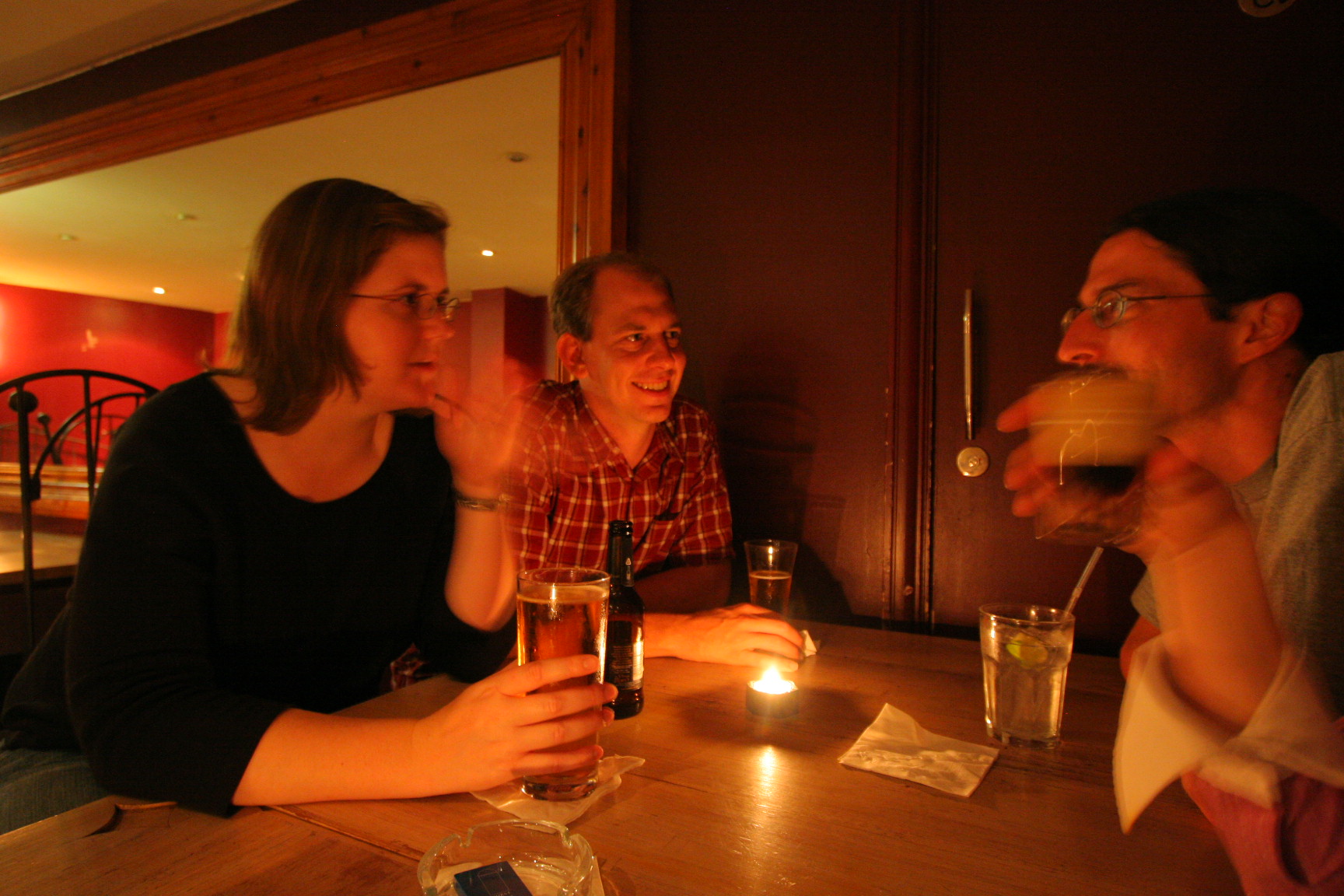 | Katie, Jonathan, & David. Pubs close early in Cambridge; we were therefore not at a pub, but at a `private social club' where drinking was still allowed past 11PM. And the membership fee? The sign claimed it was 30 pounds, but it was cheerfully waived for us. Hmm... |
 | |
 | |
 | |
 |
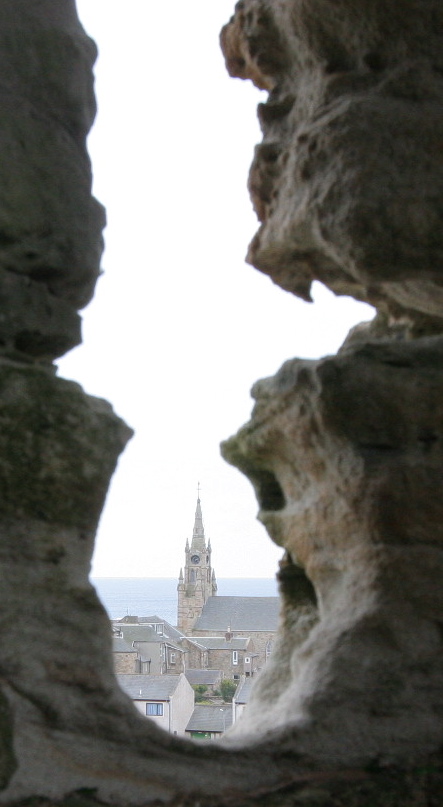 | Maggie, Mark, and I have arrived in Edinburgh, and are waiting for the ferry to Arran. |
 | |
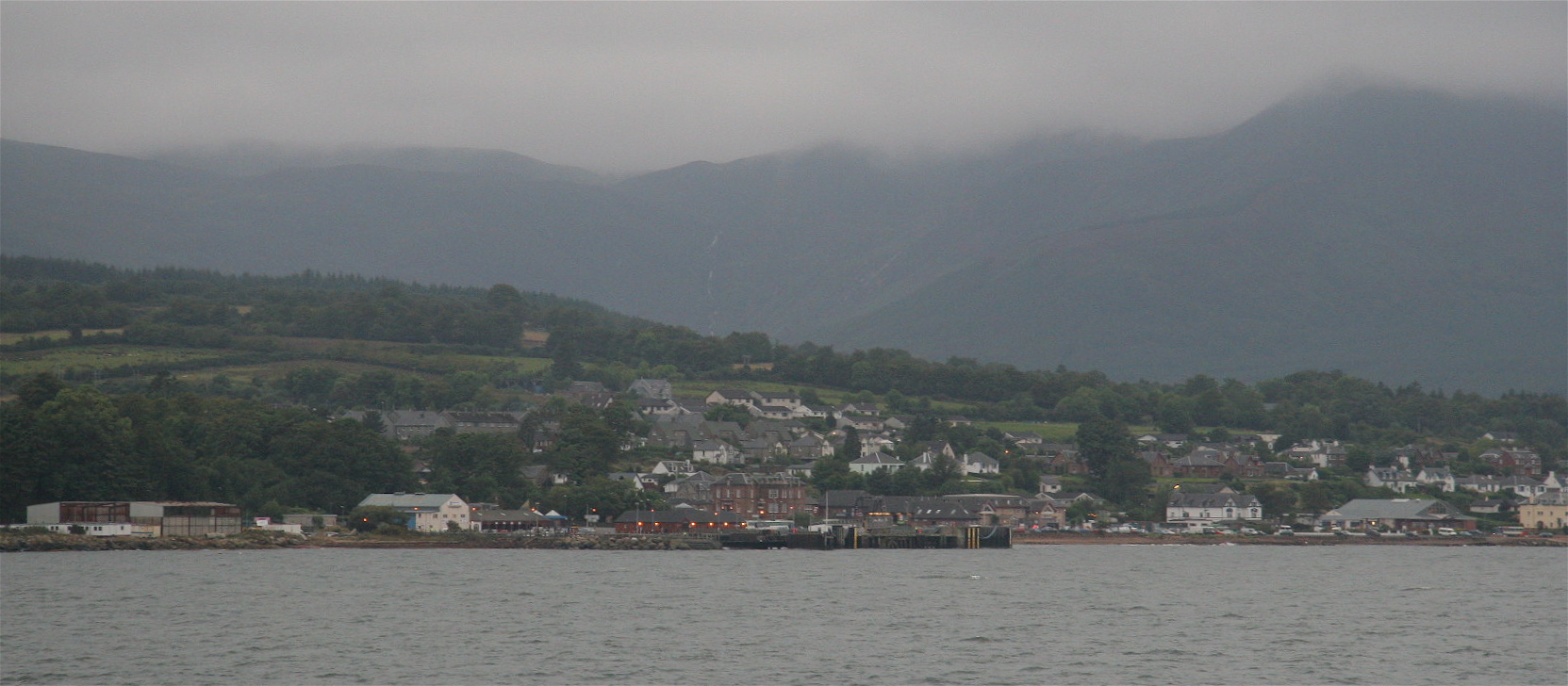 | Arran comes into view. It's about 10 miles across, and we spent this day and the next there, circumnavigating and checking out the sights. It has its own mountain, standings stones, sheep, brewery, distillery, castle, heather fields, and whatnot, just like a good Scottish microcosm. |
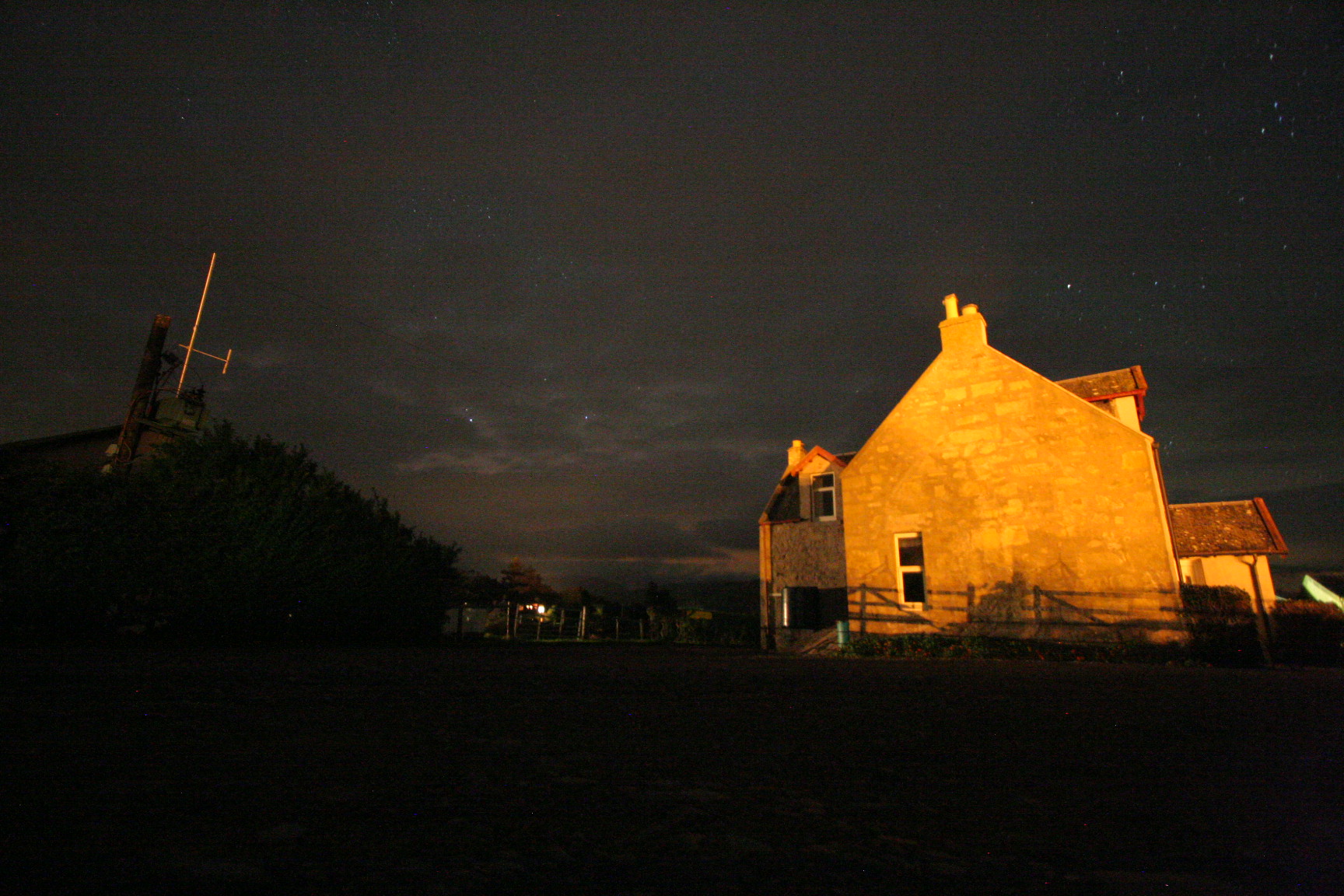 | A house next to our inn... |
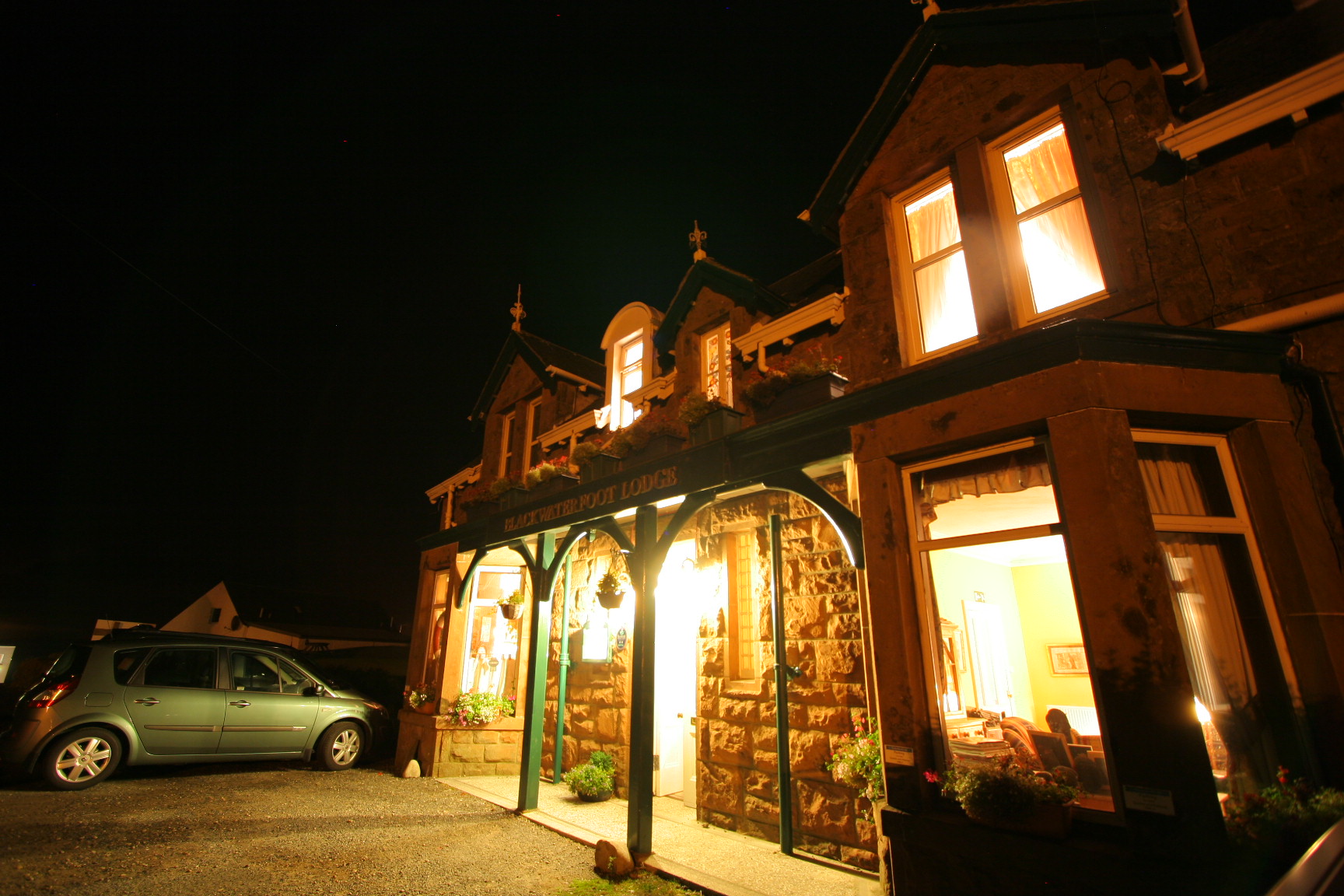 | The cute little place at which we ate dinner... |
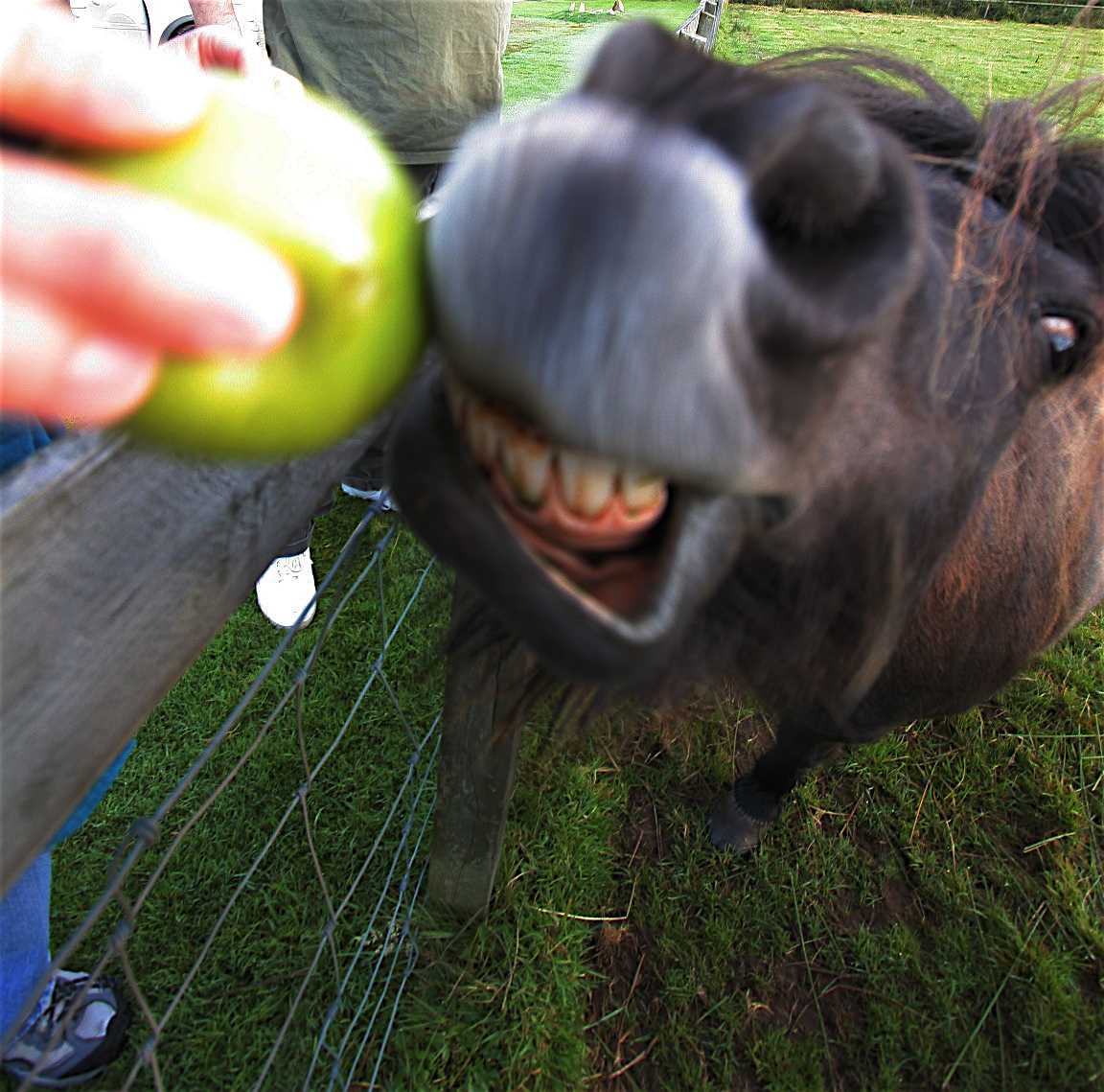 | Maggie feeds a very small pony. |
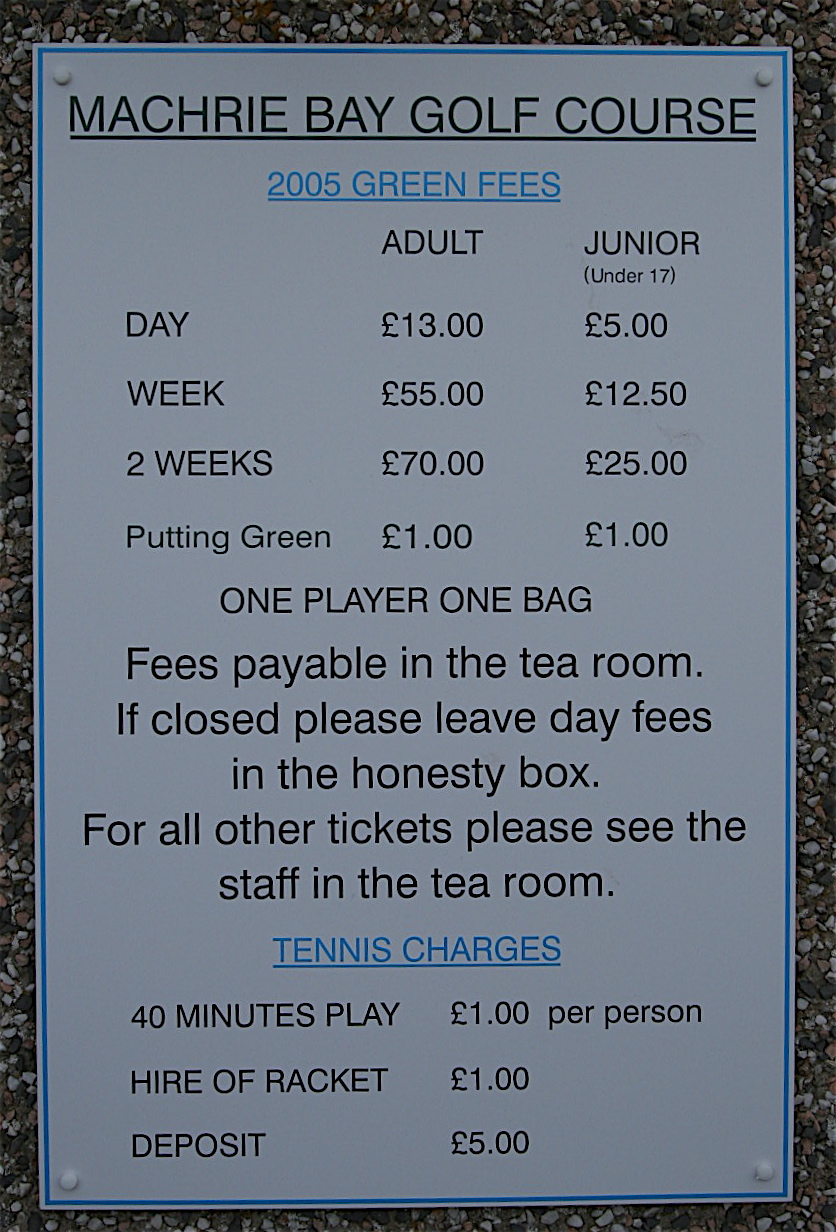 | Scotland claims to be the birthplace of golf, and by the description of the `honesty box,' it looks to be a much more pleasant place to play than in more developed areas. |
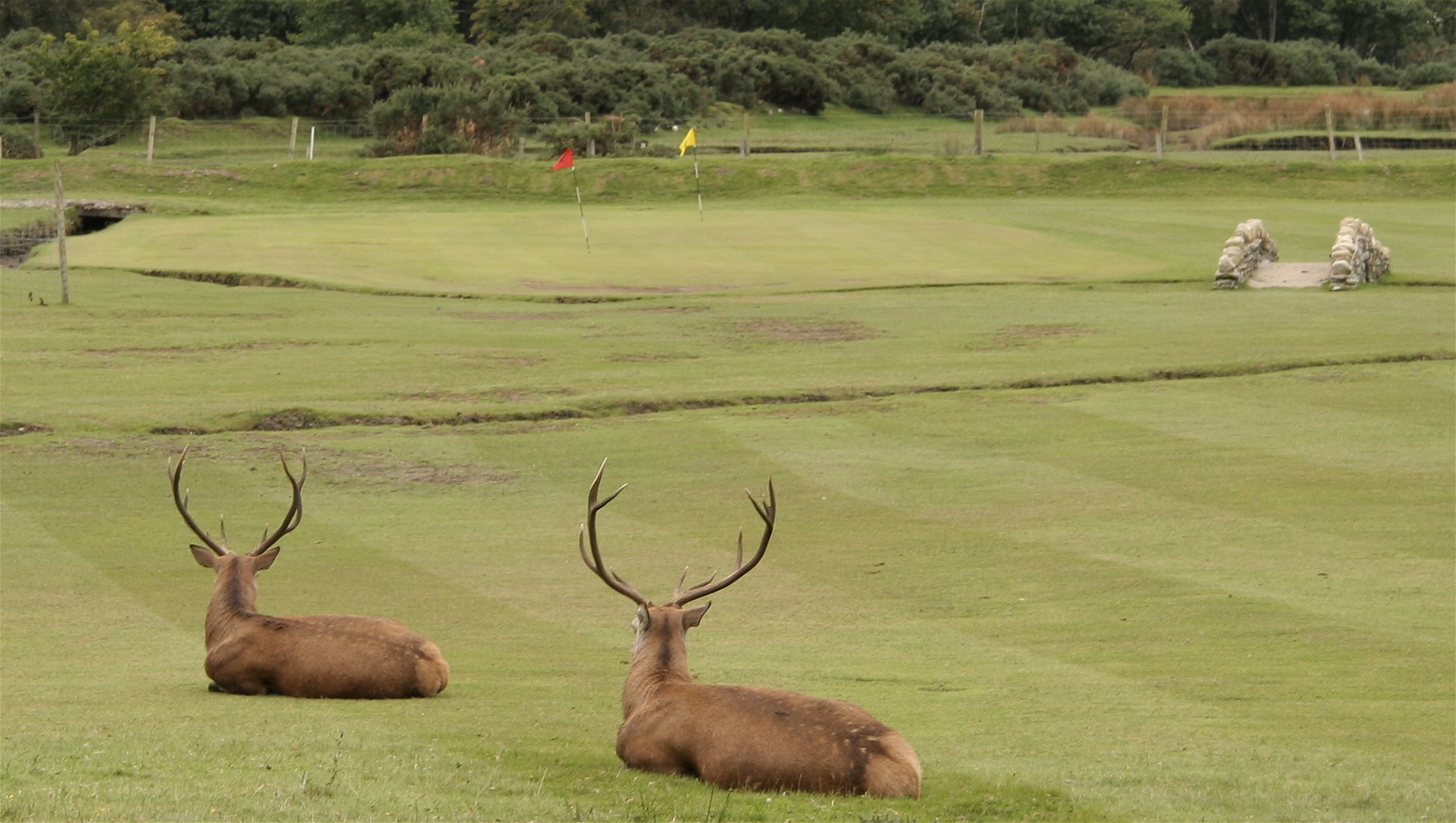 | Scottish golf does apparently boast more natural hazards than American style. |
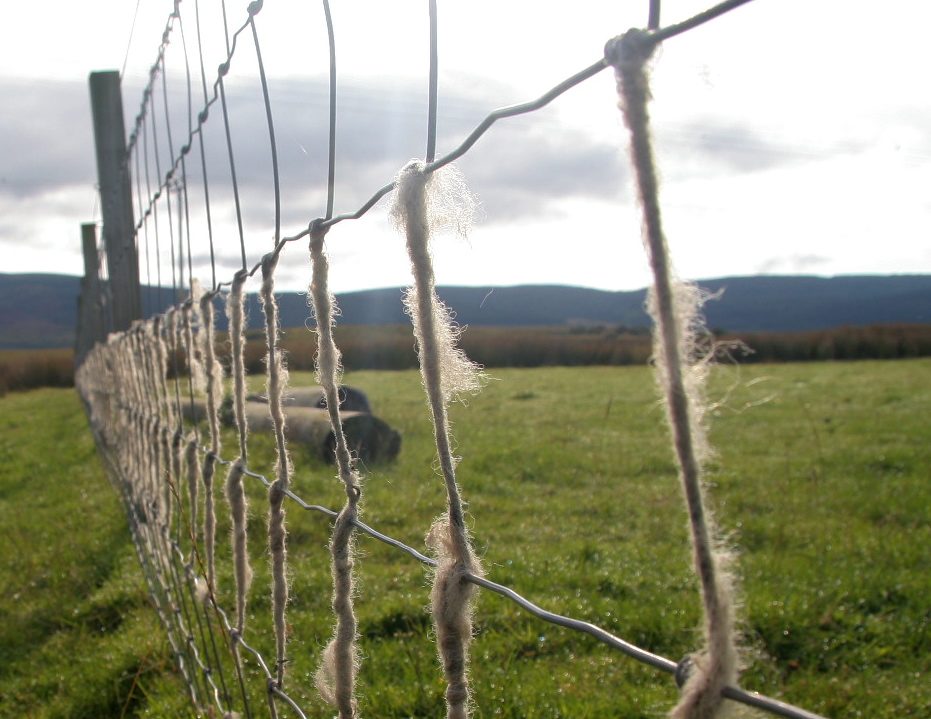
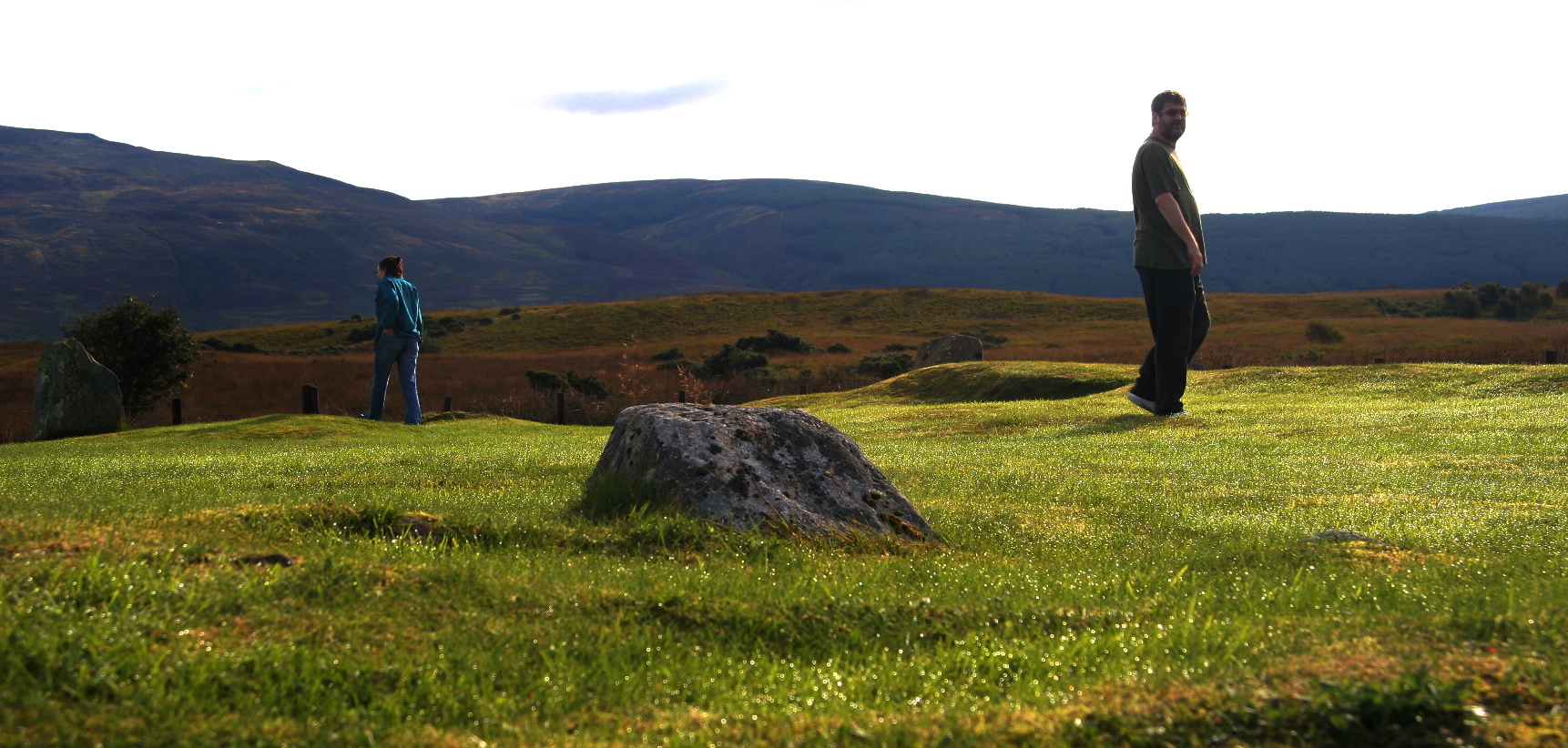
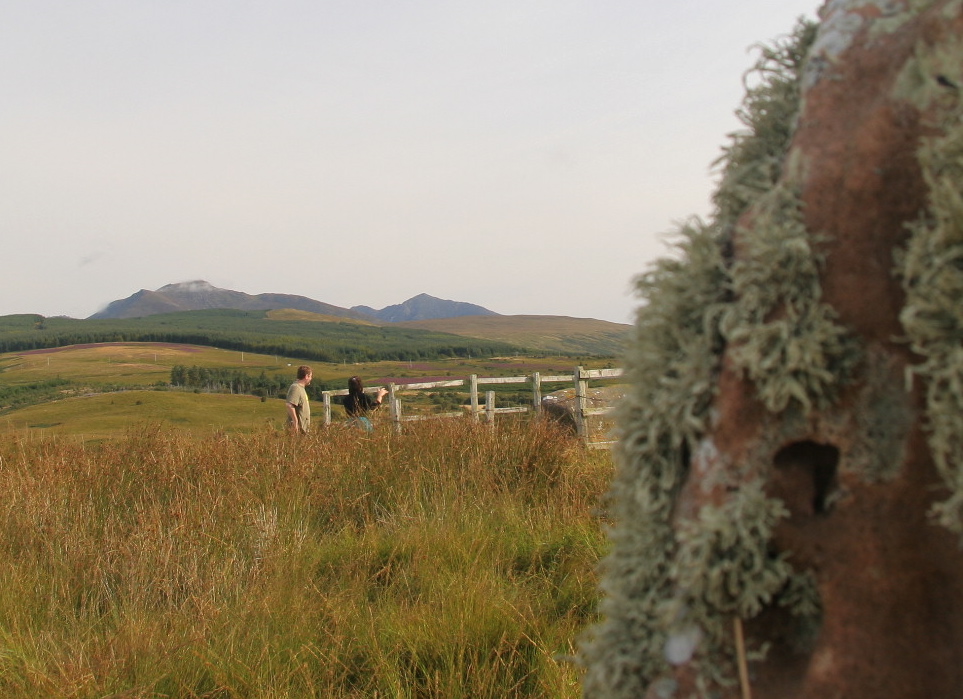
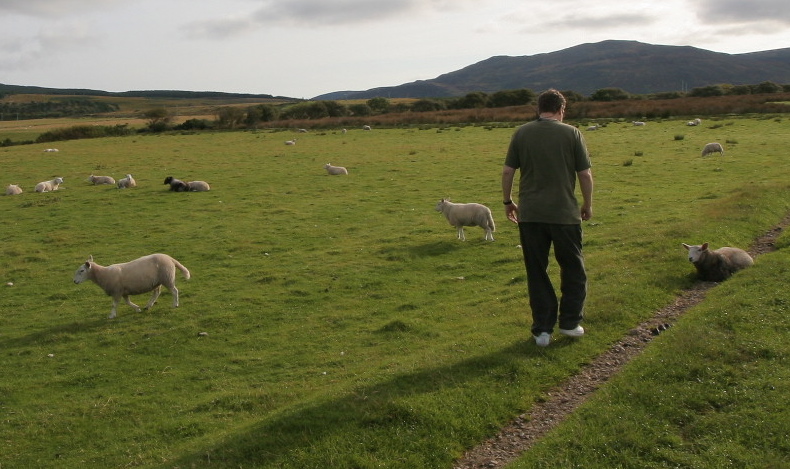 | Mark examines the sheep while we search for the Machrie Moor stone circles. |
 | |
 | |
 | |
 | |
 | |
 | |
 | |
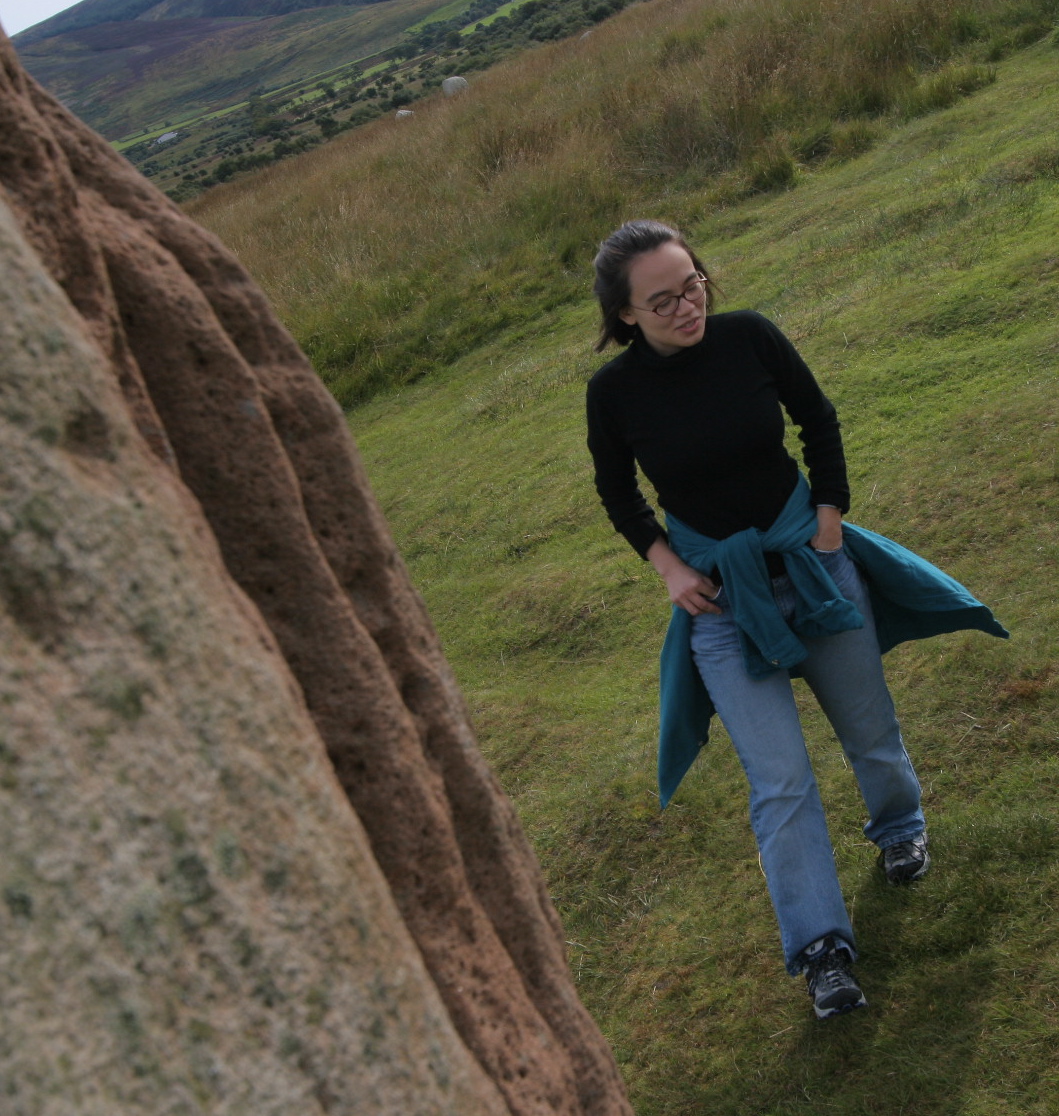
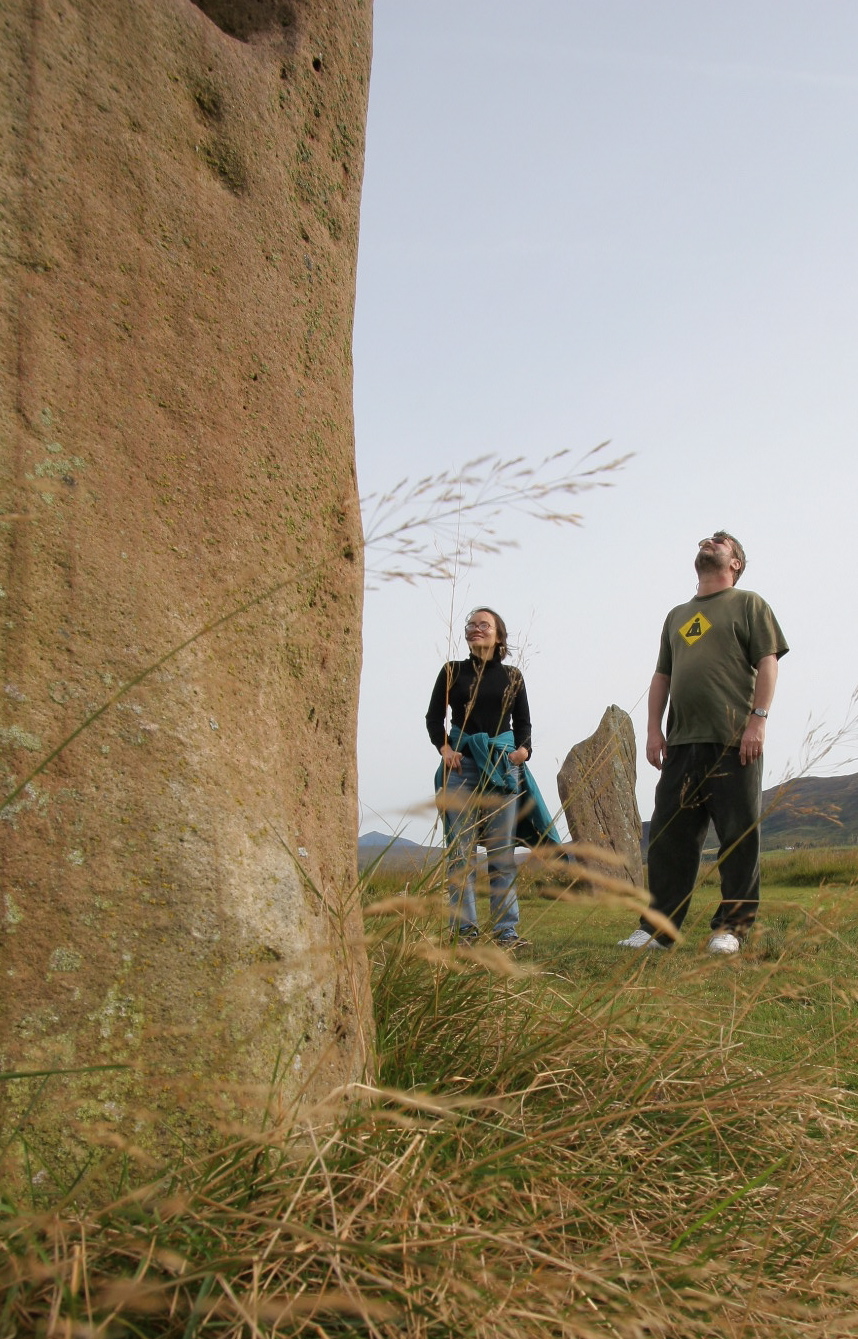
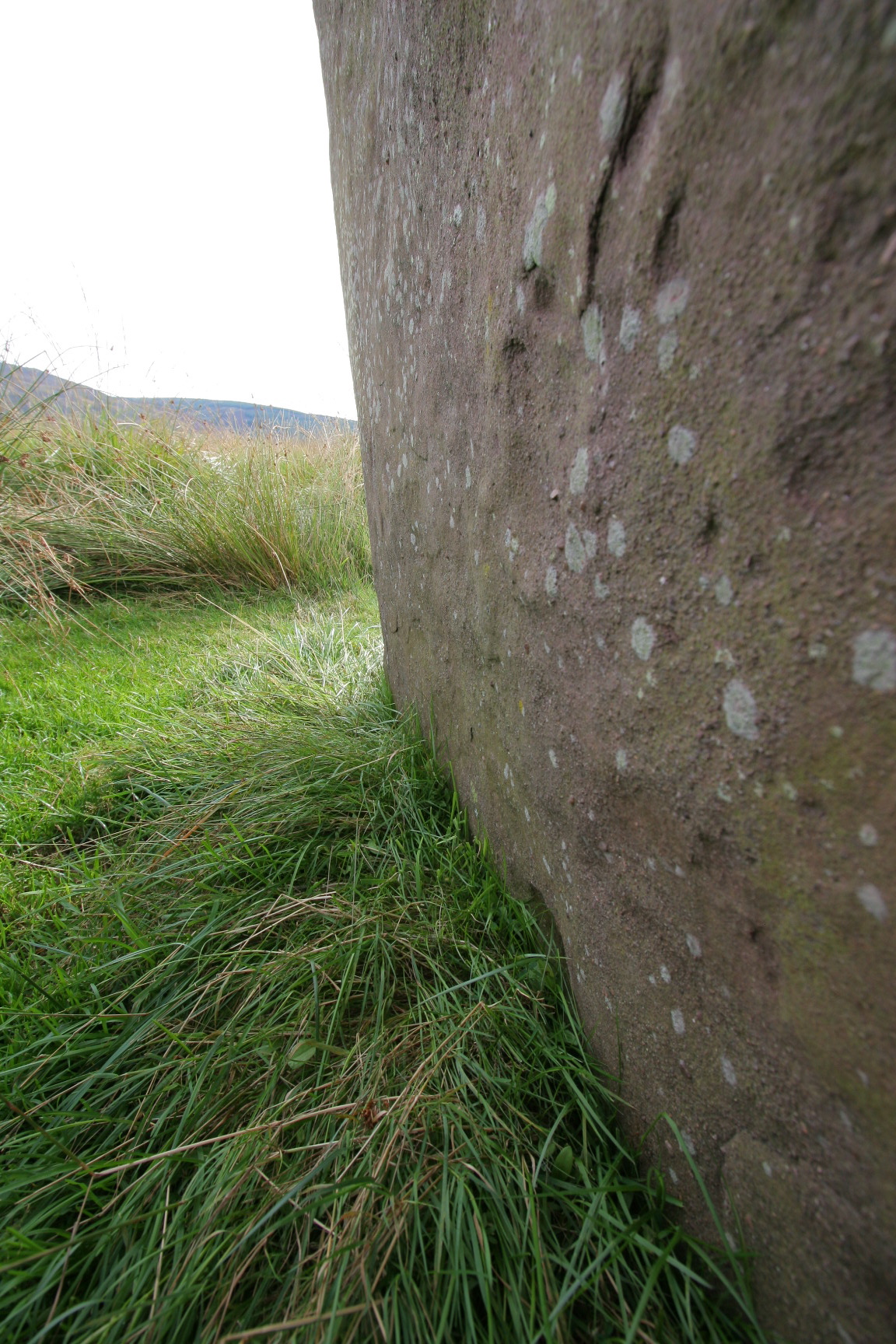
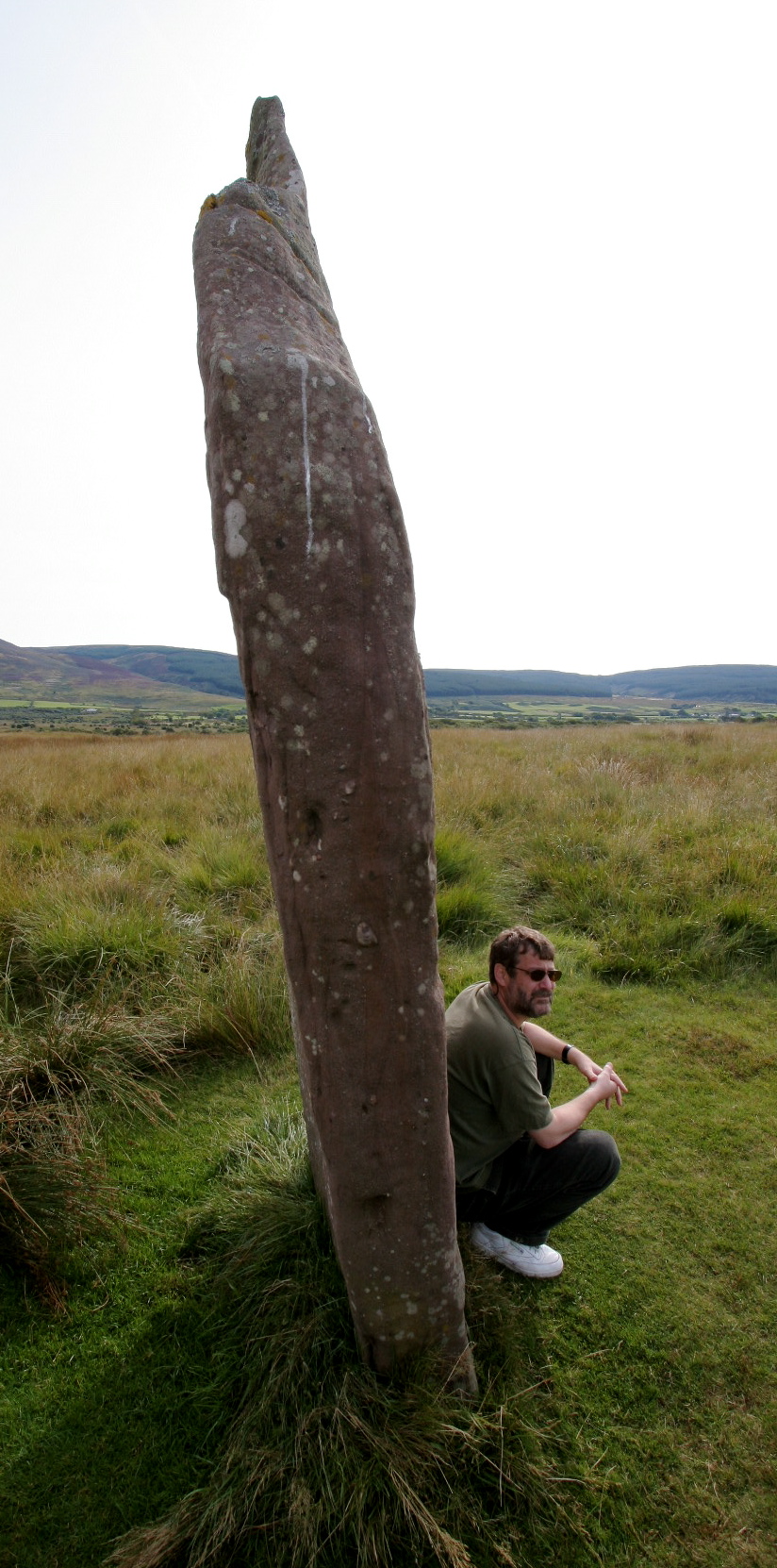
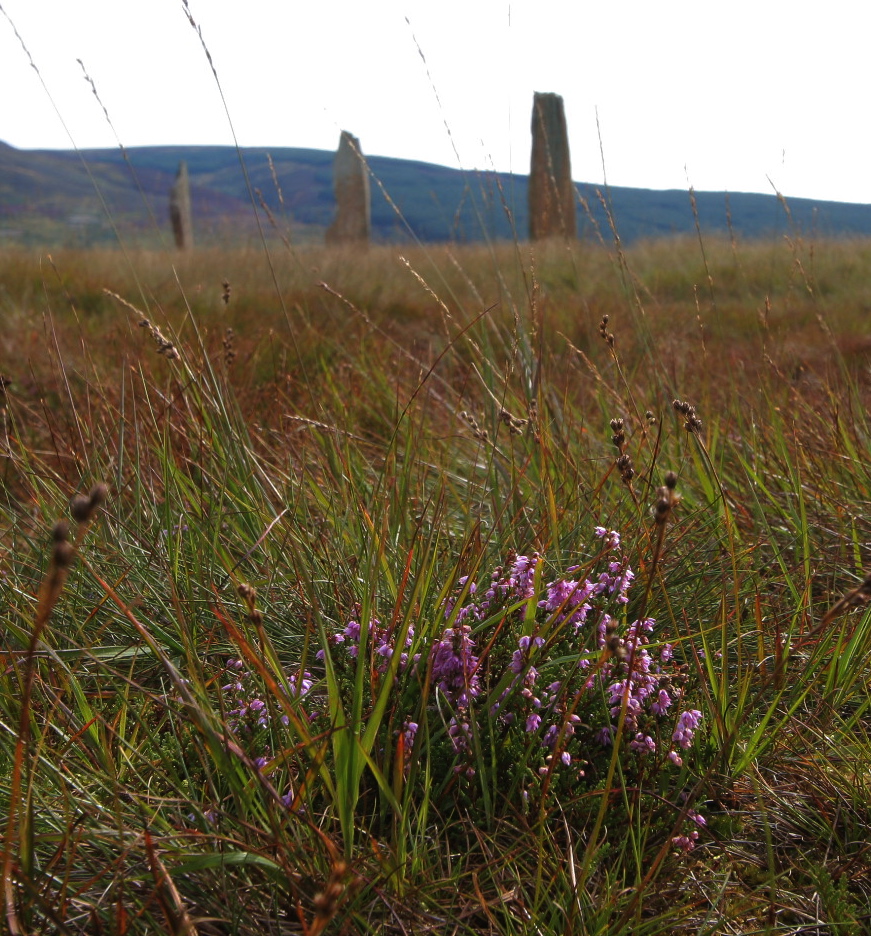
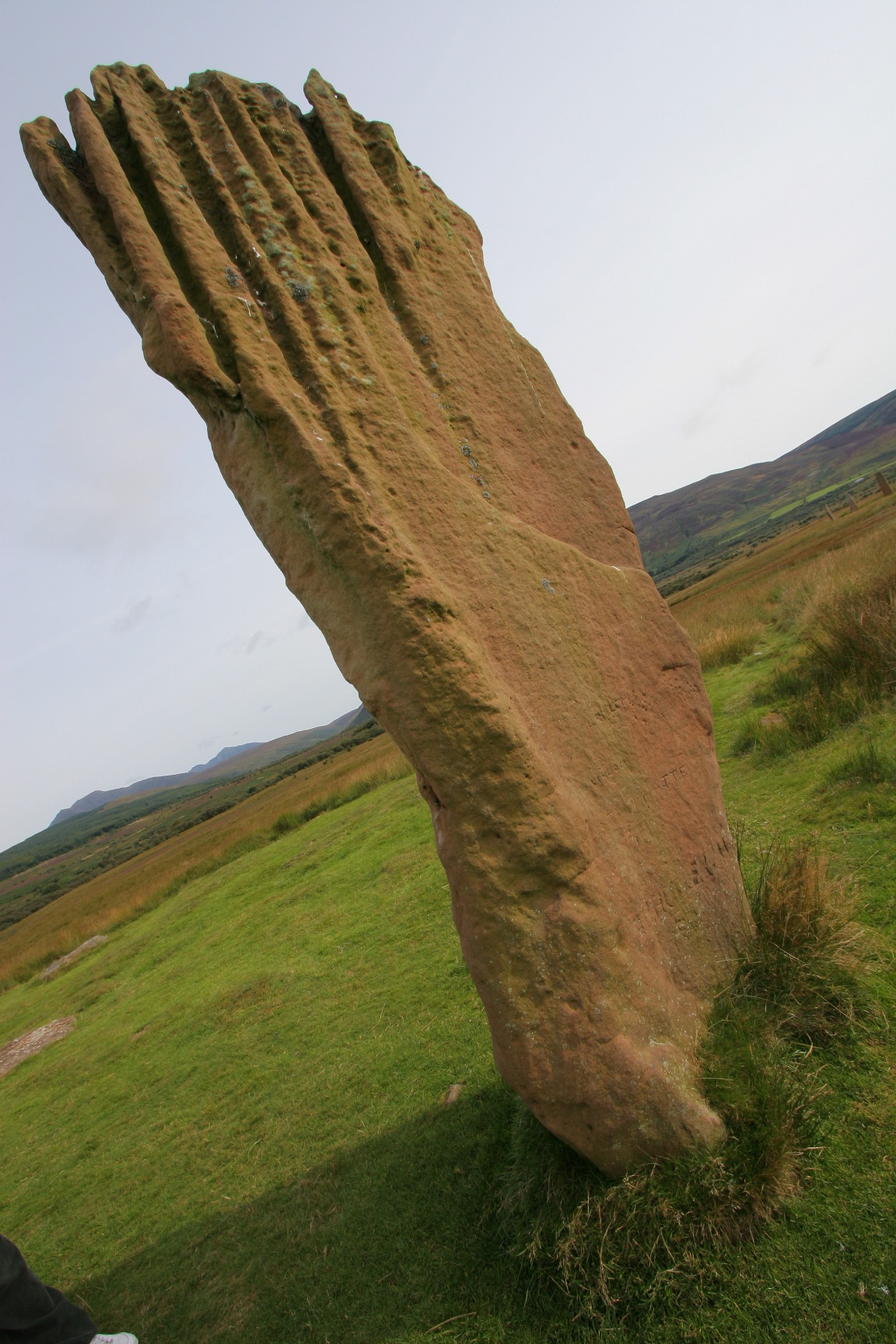
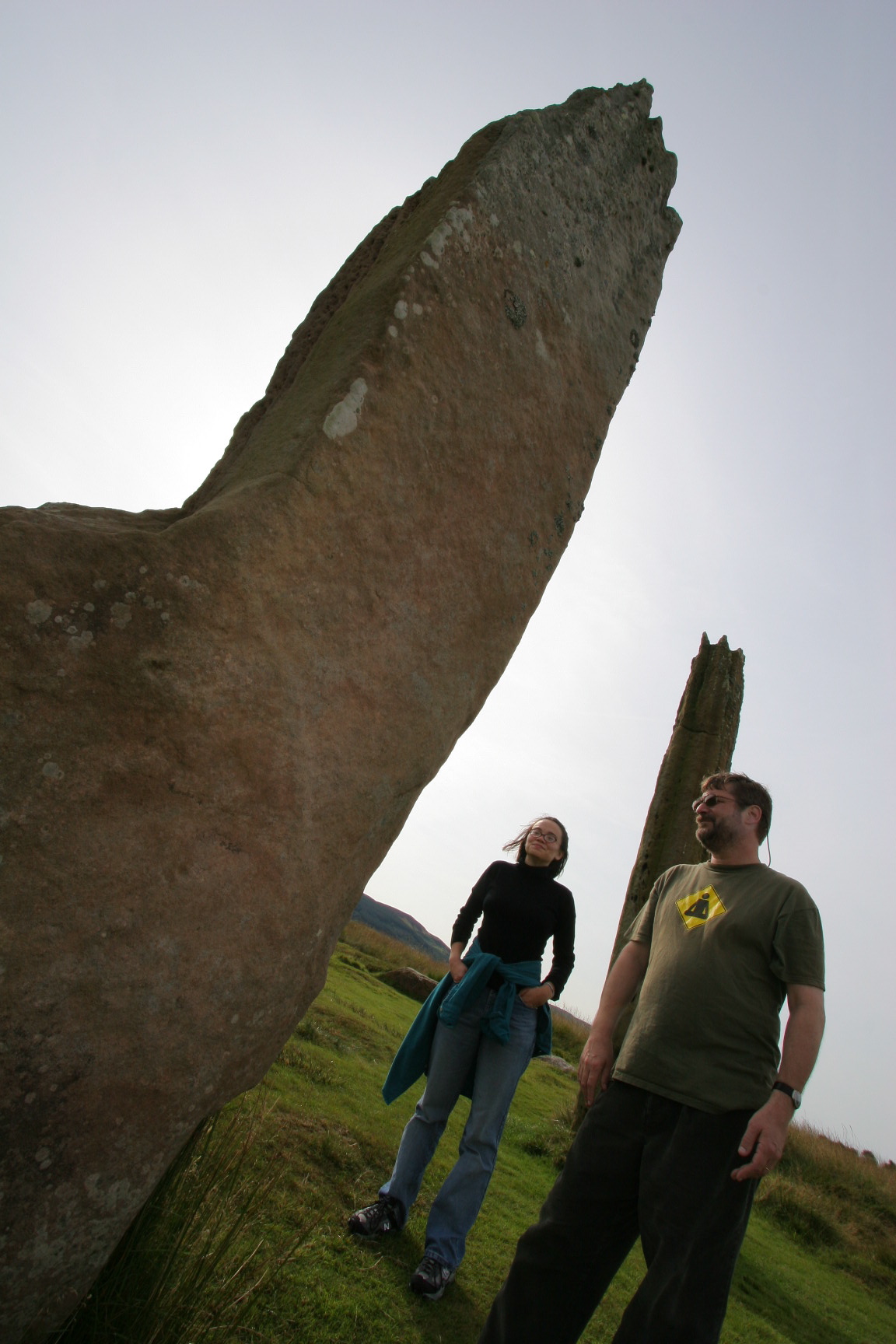 | Found! |
 | |
 | |
 | |
 | |
 | |
 | |
 | |
 | |
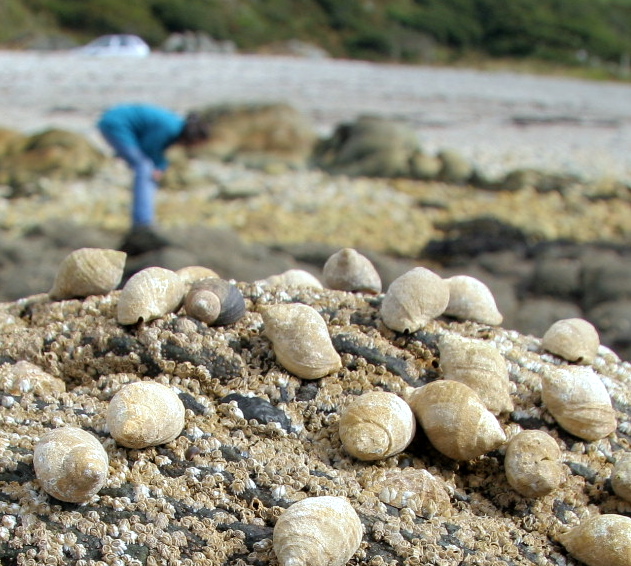
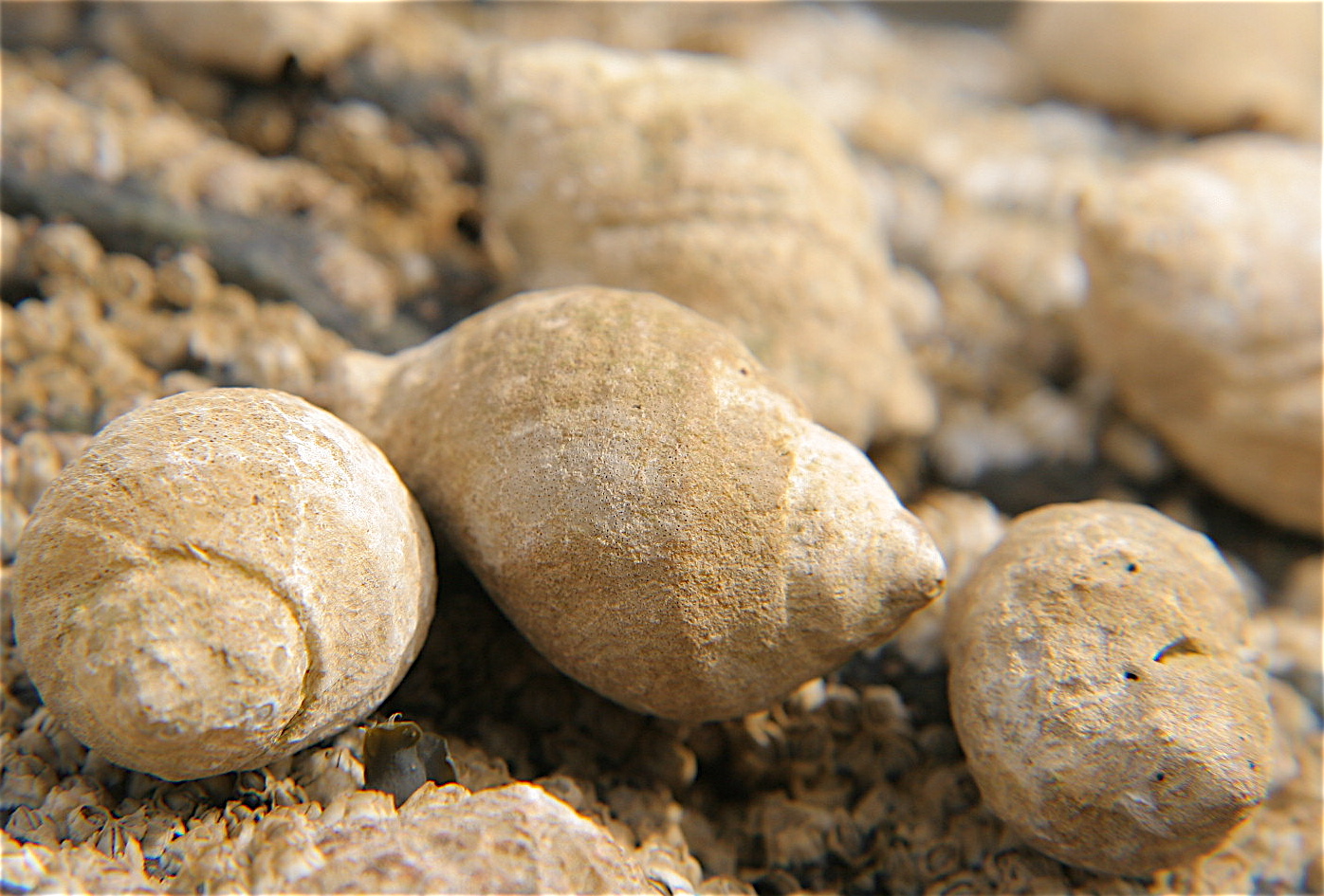
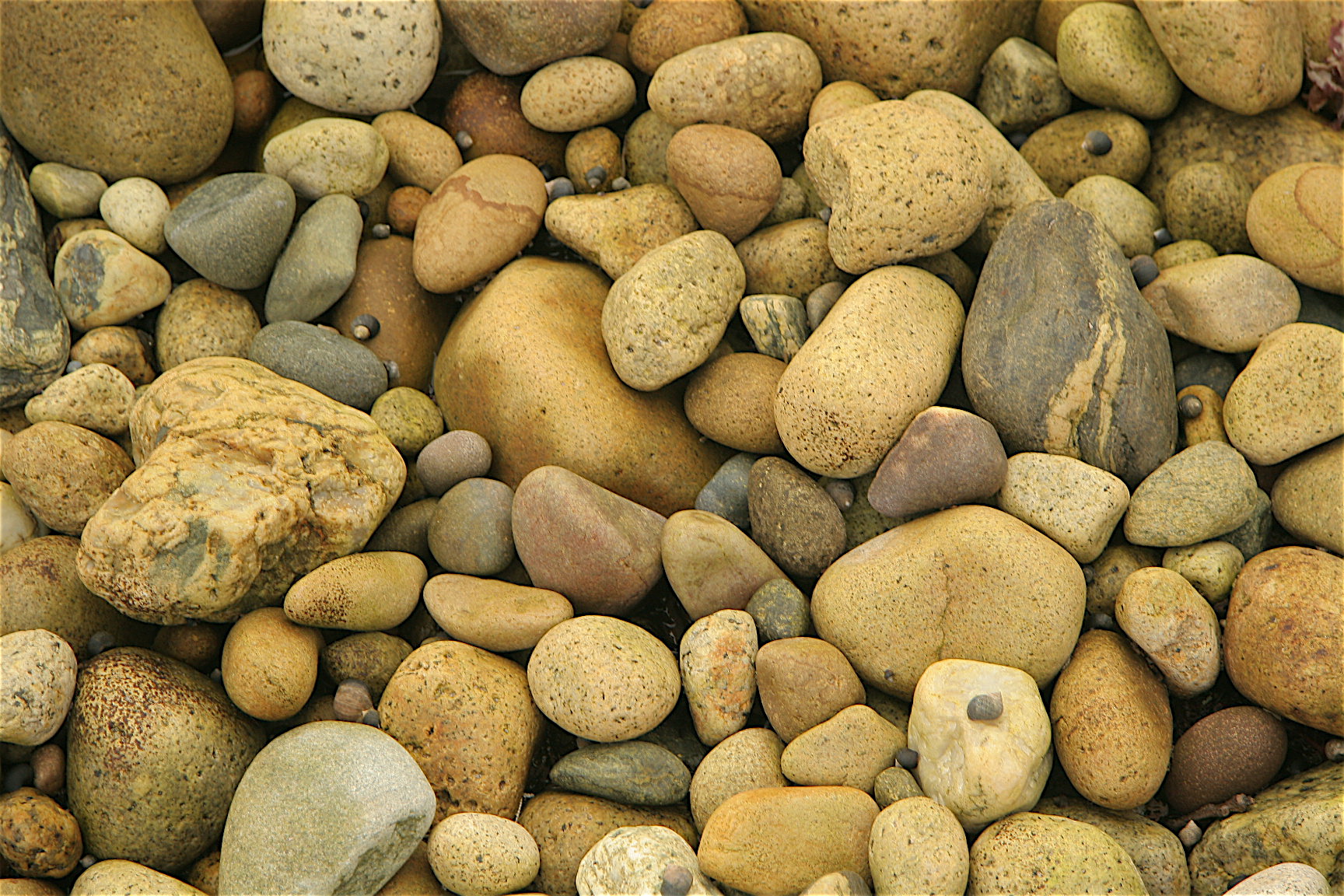
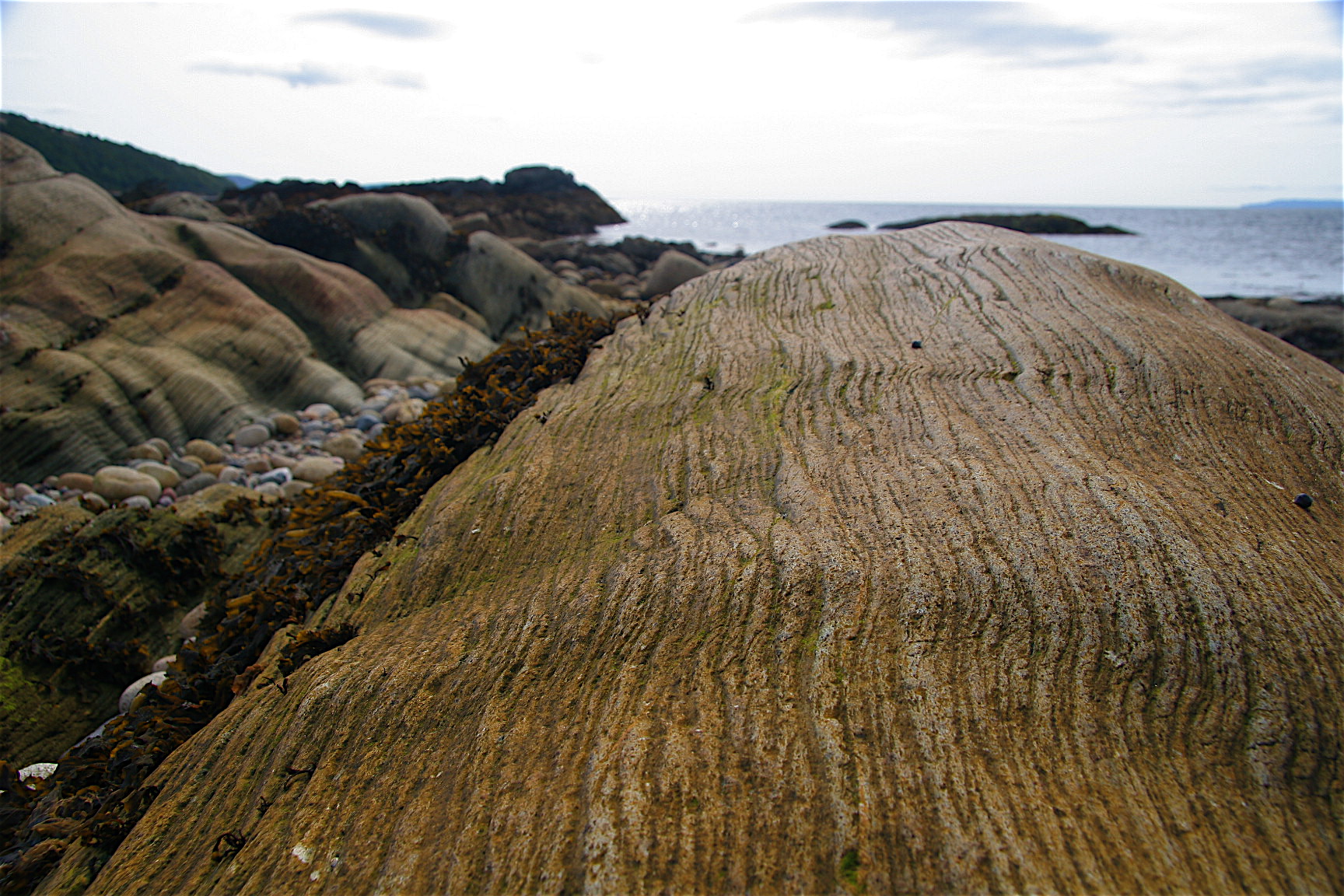 | Scottish beach! It looks very Oregonian... |
 | |
 | |
 | |
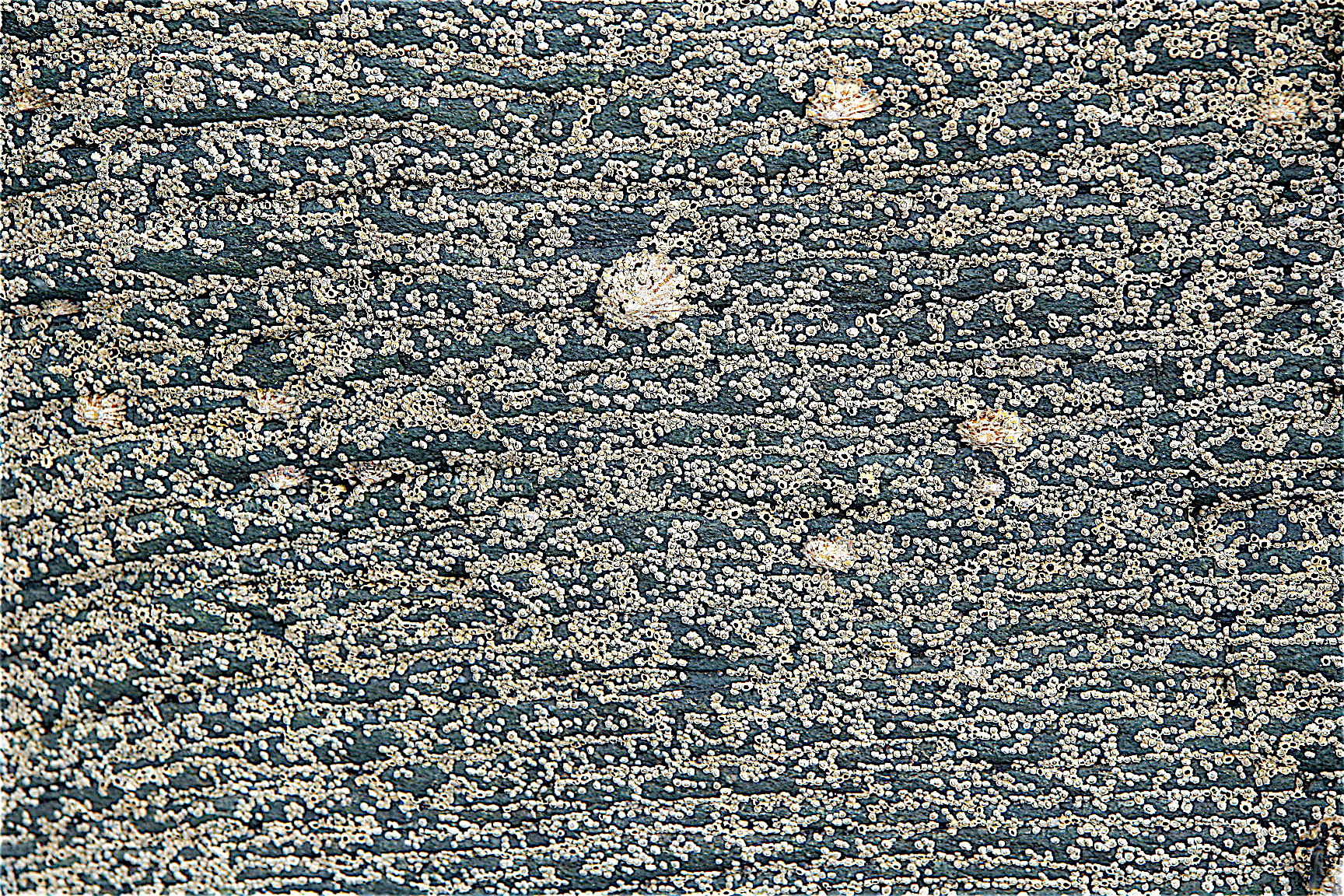 | Micro-barnacles. |
 | |
 | |
 | |
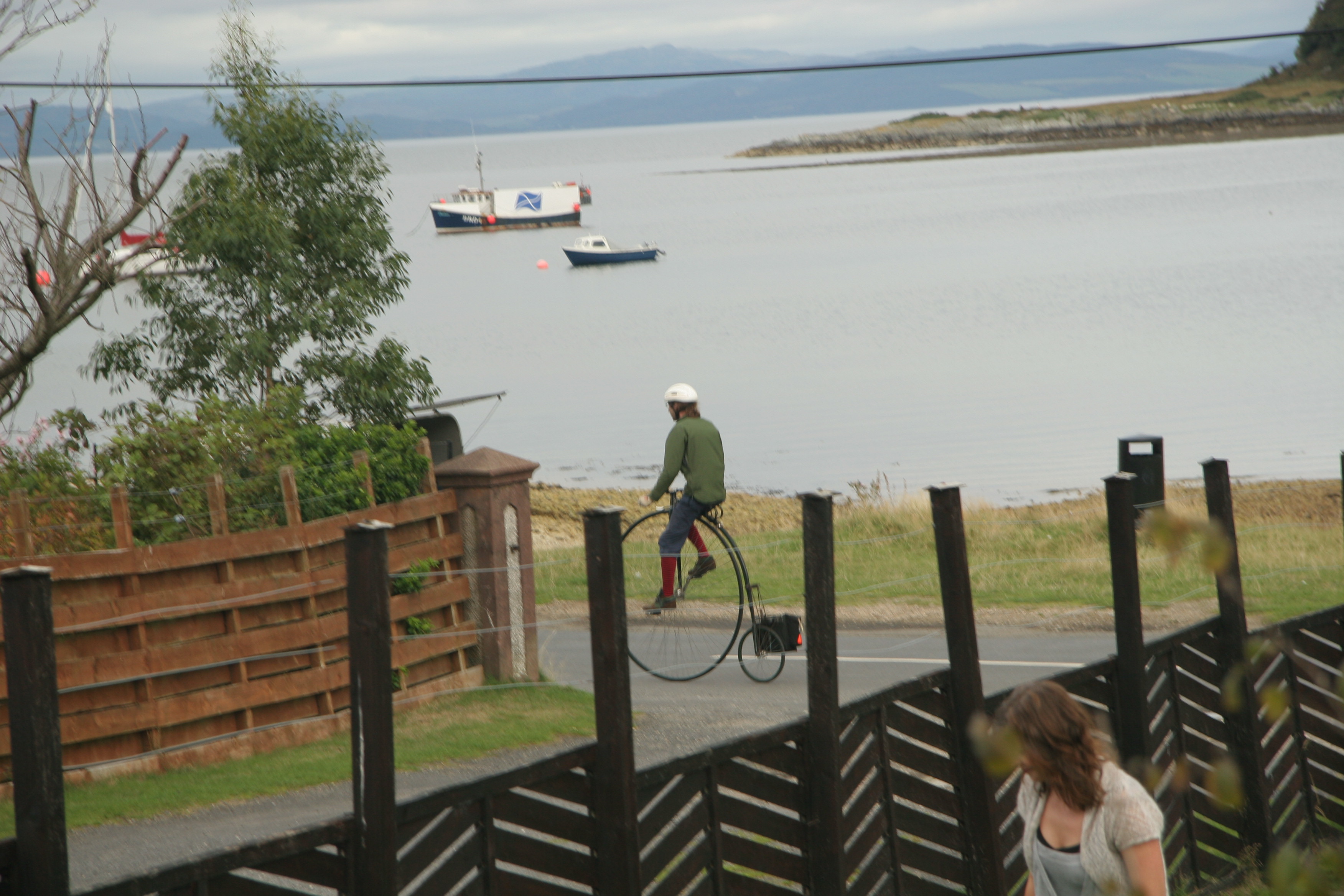 | One of three high-wheelers cross as I sip my Lochranza brew. |
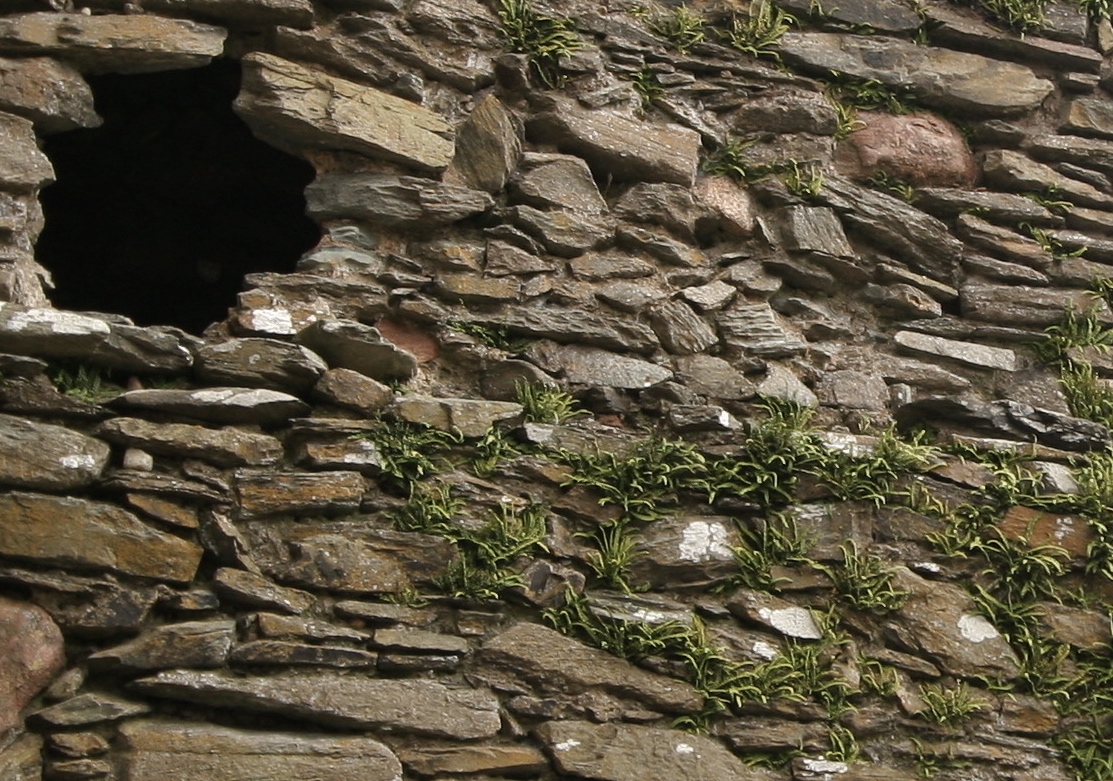
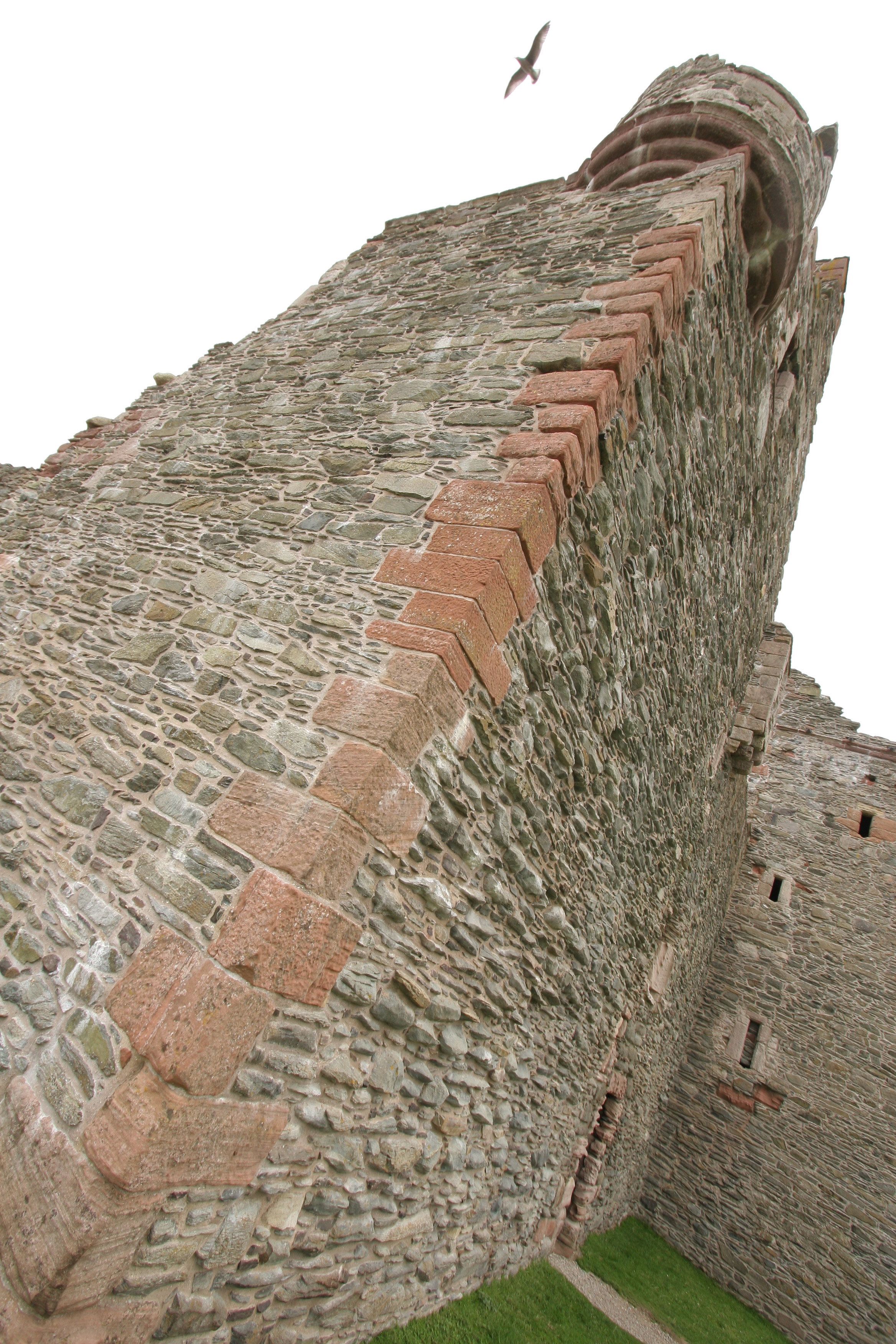
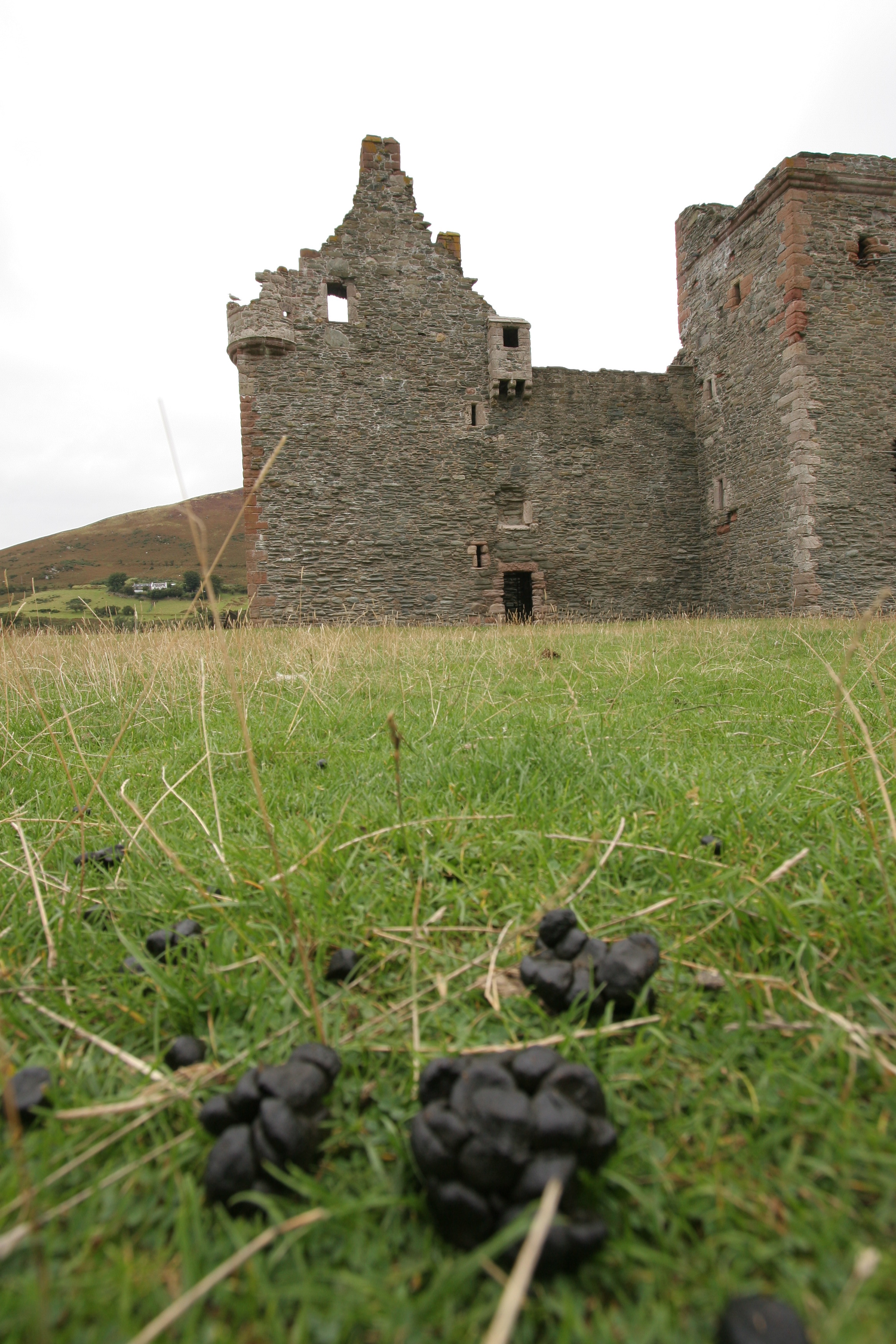
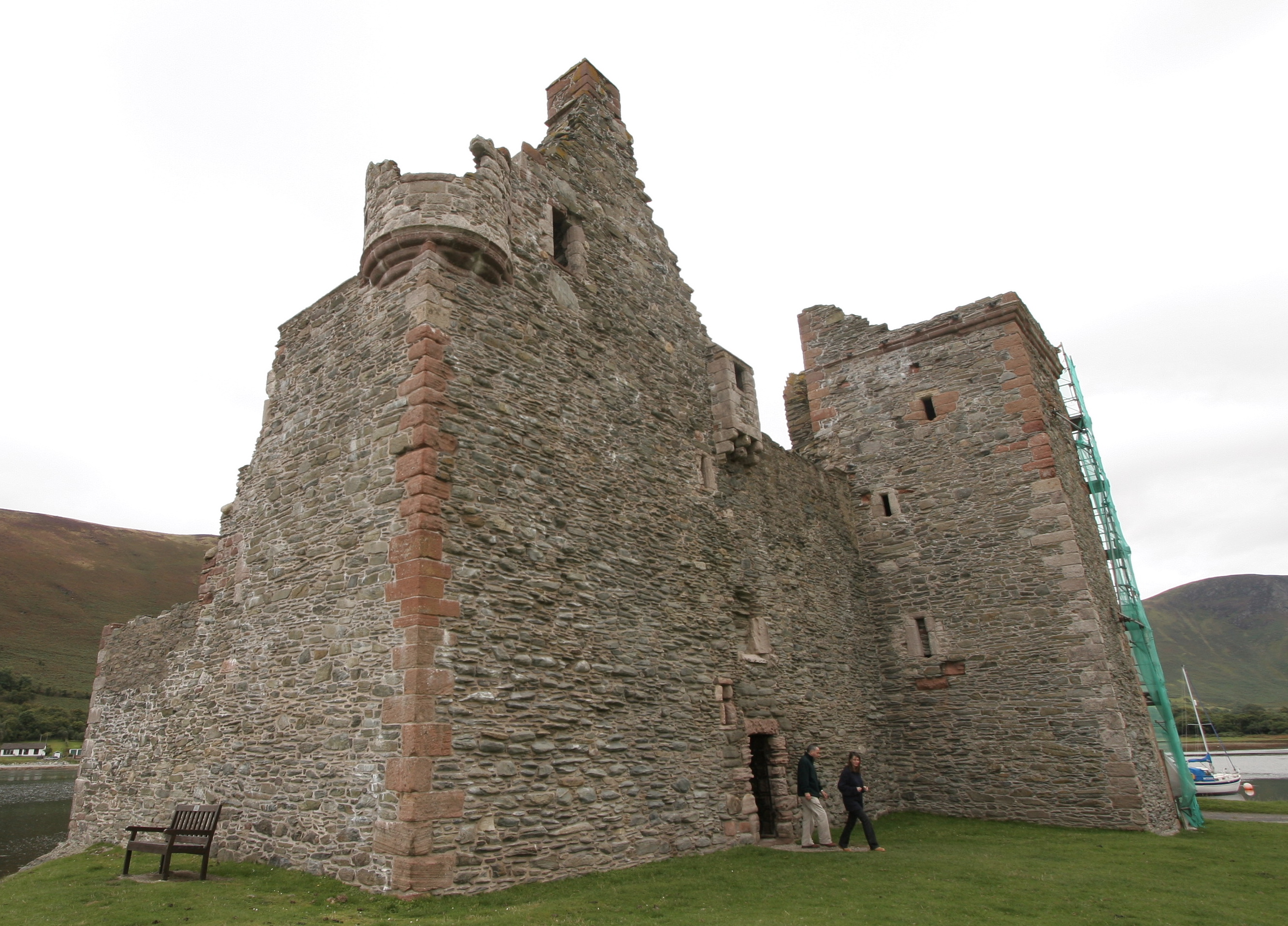 | We check out the Lochranza castle. Allegedly this was used as a model for one of the Tintin books. However, the left half of the building fell into the ocean in 1981, and portions of the rest are rather precarious (although being reinforced as we speak). |
 | |
 | |
 | |
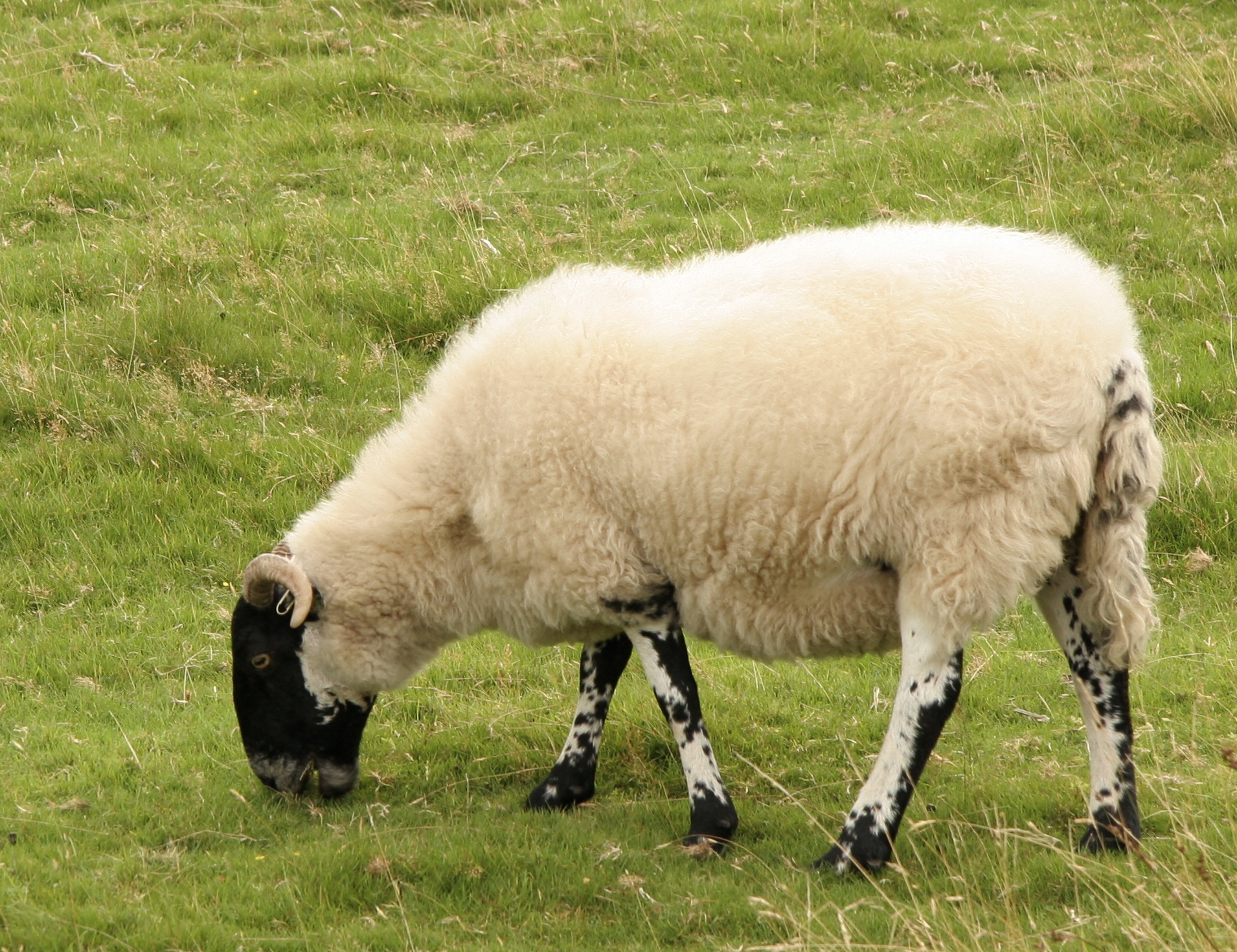 | Sheep! |
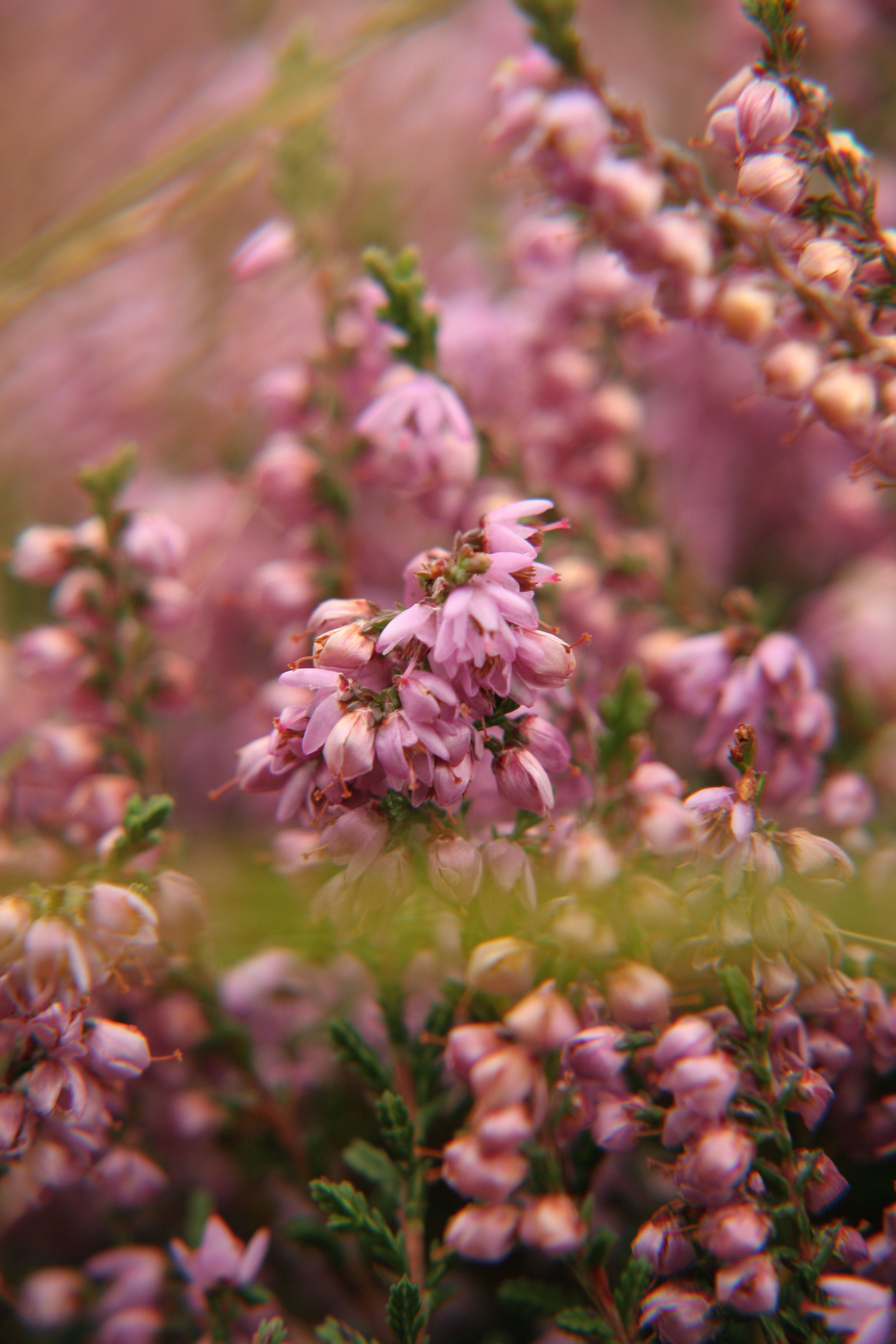 | Heather! |
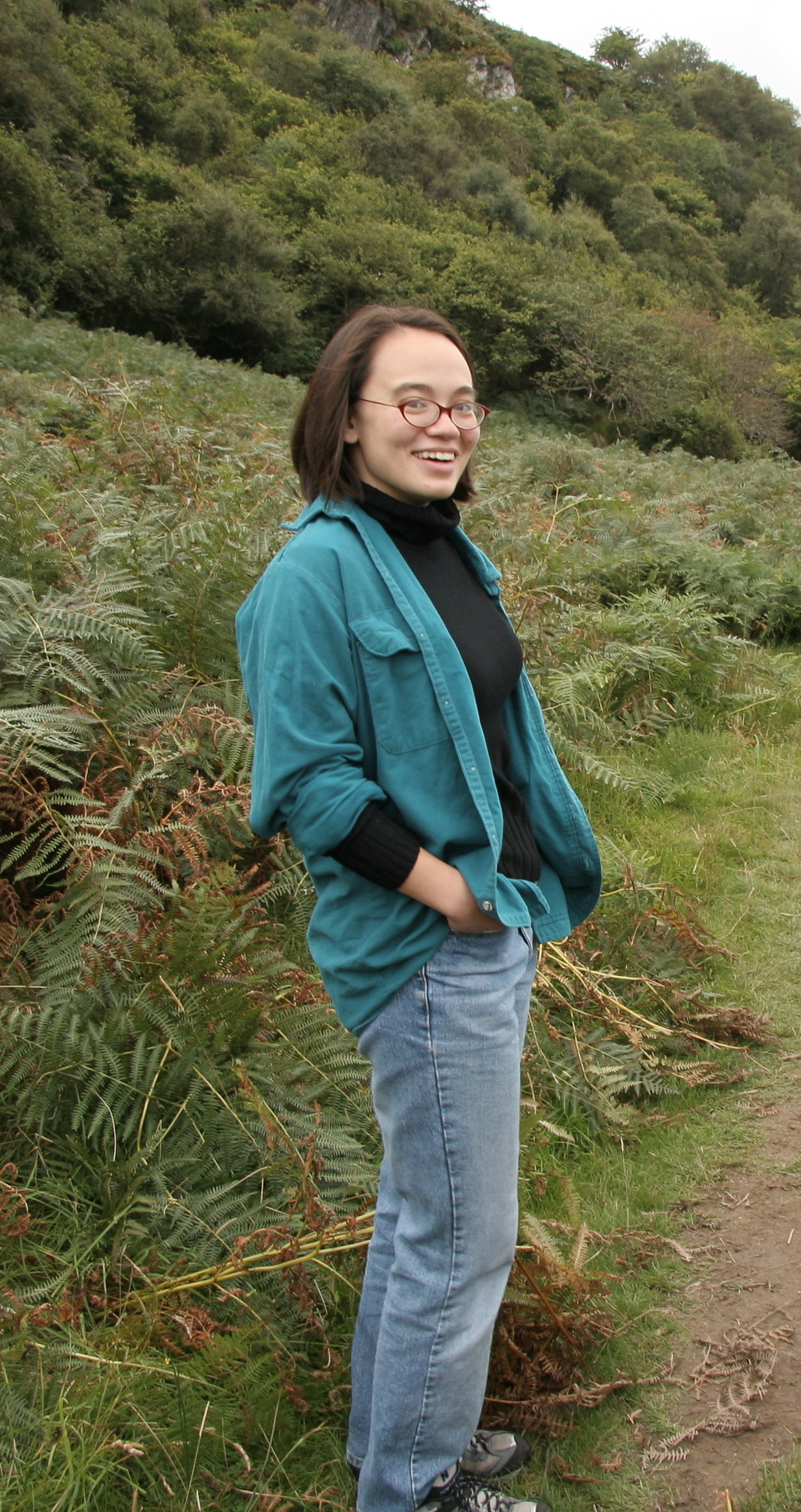 | Maggie! |
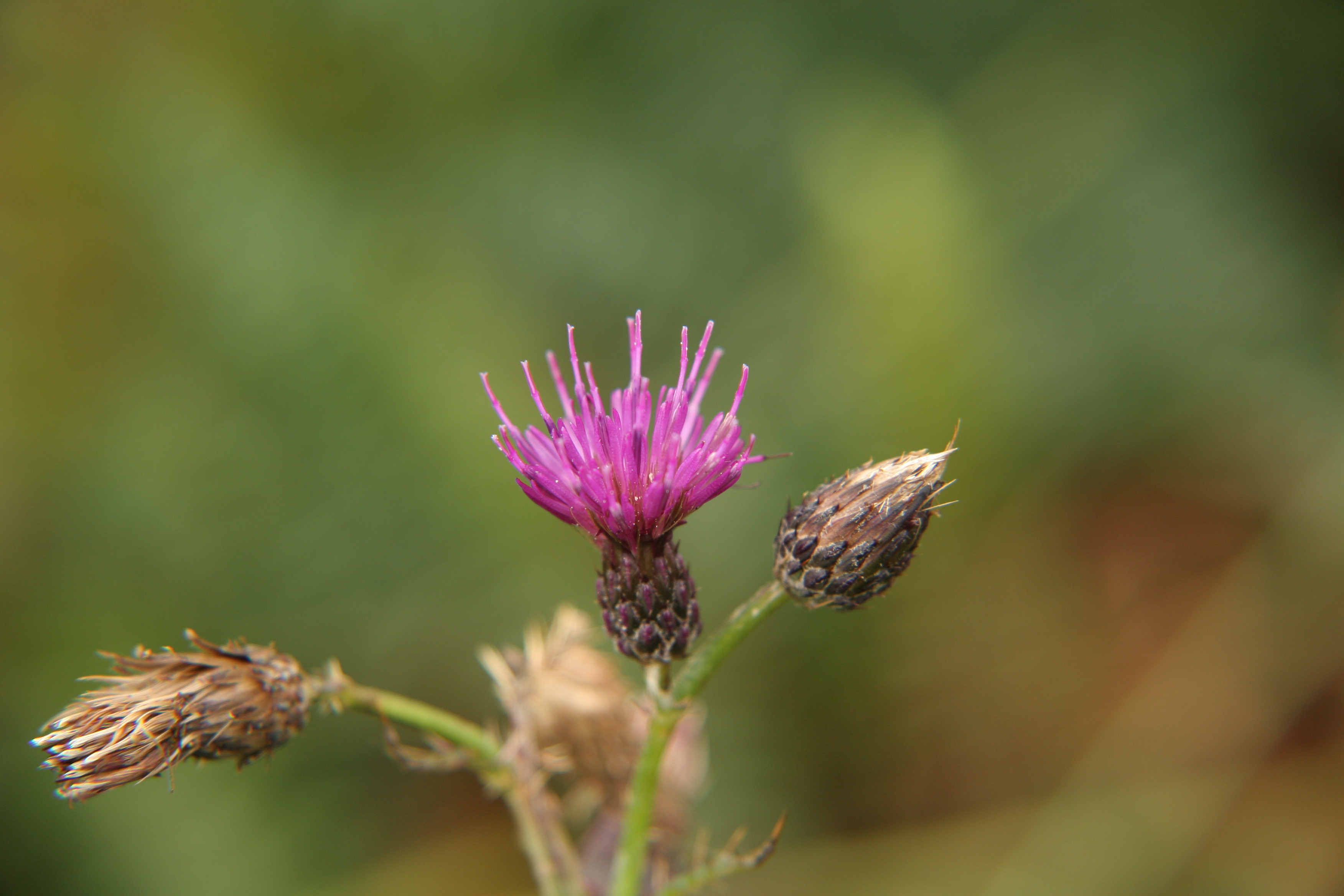 | Thistle! |
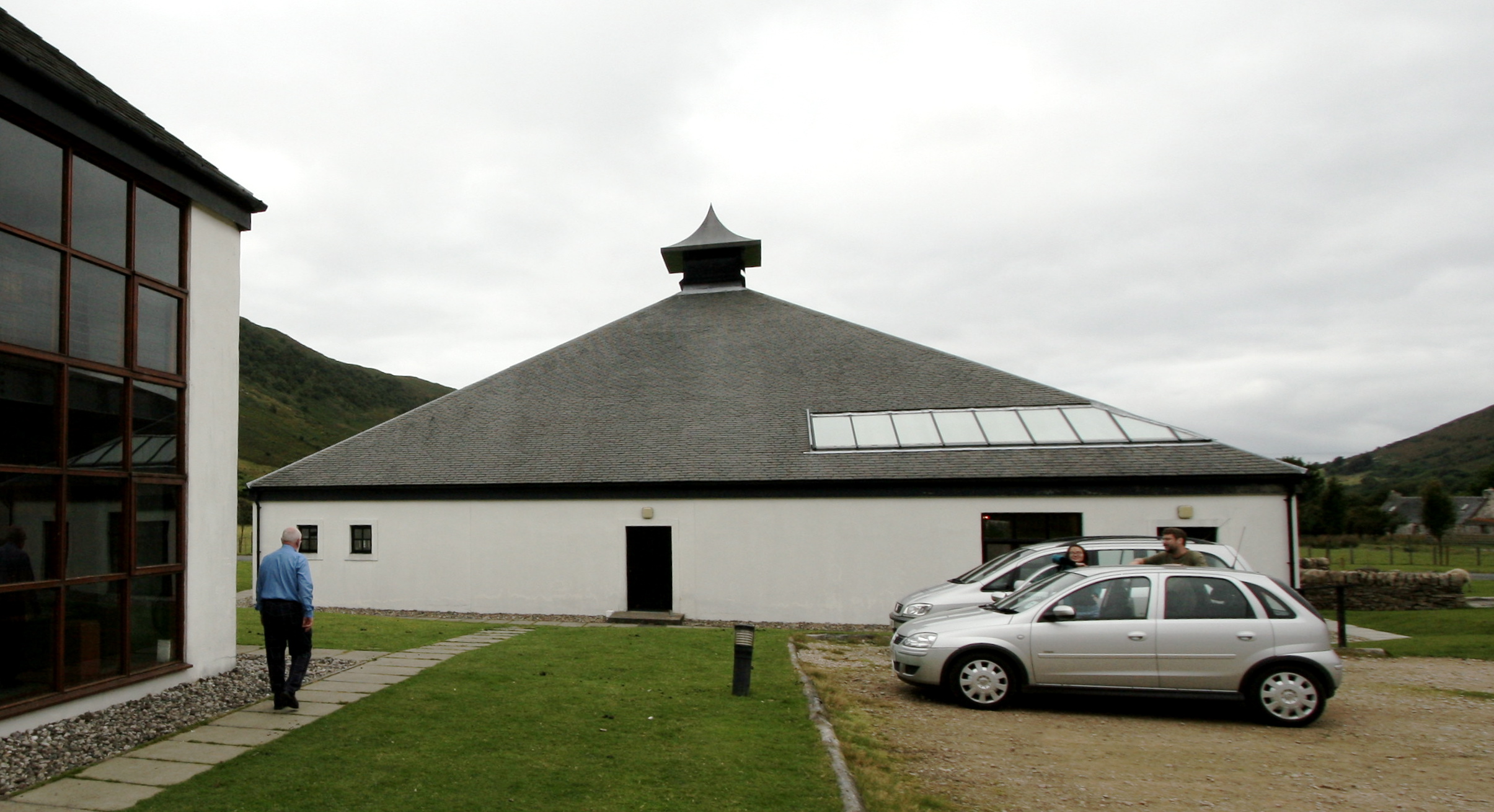 | Whiskey distillery! |
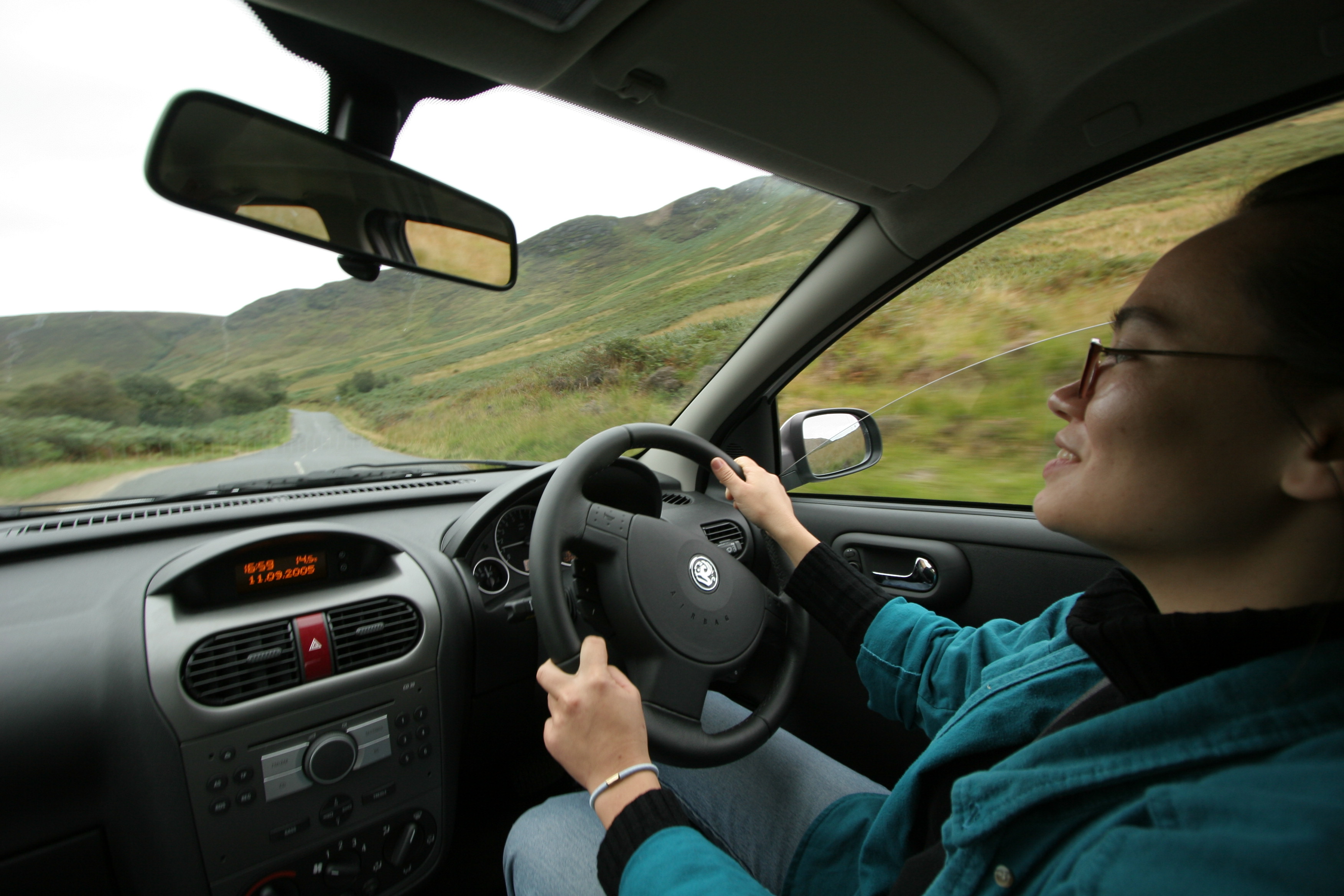 | Maggie's left-handed driving is improving quickly, after a dramatic close call the day before. |
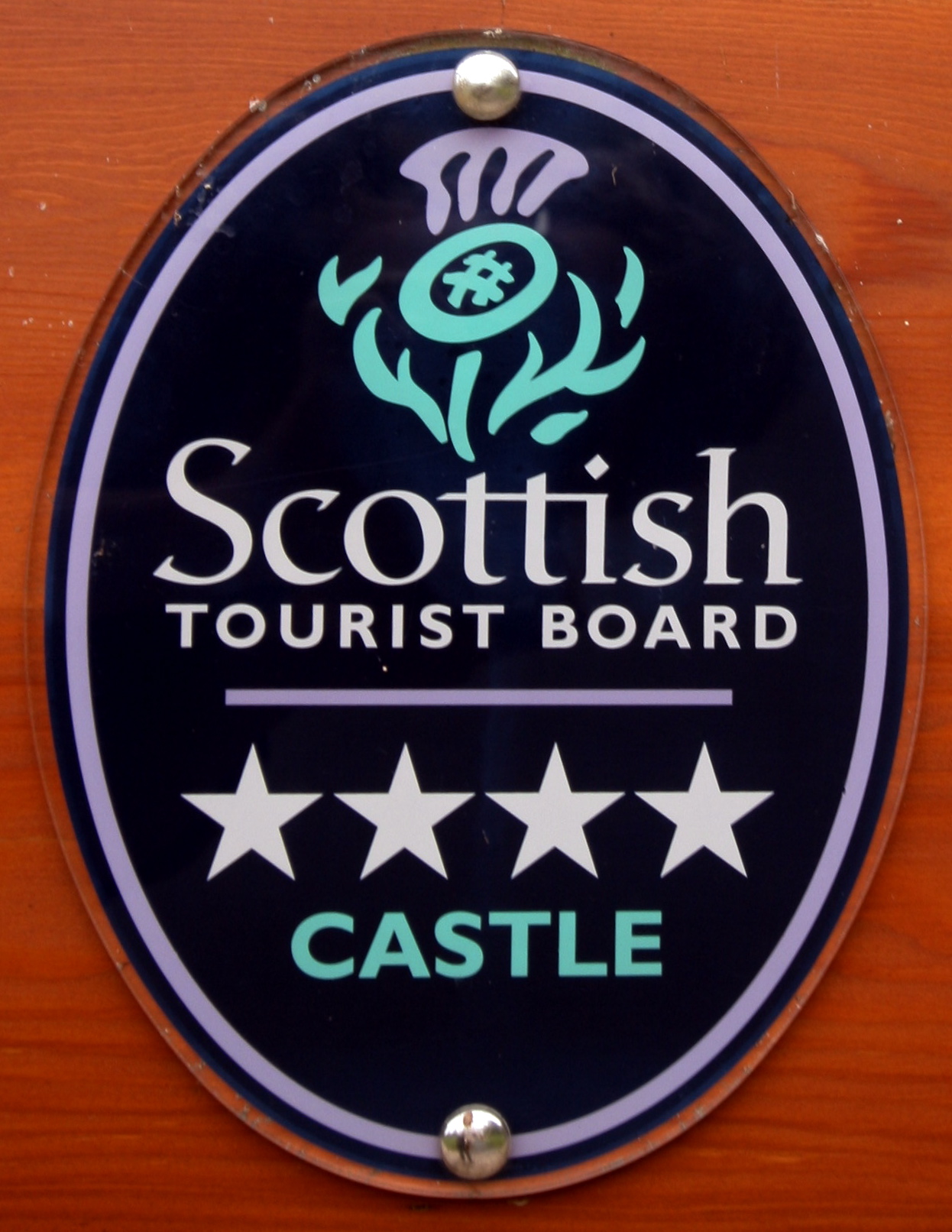 | This particular castles rates four stars by the Scottish castle board. |
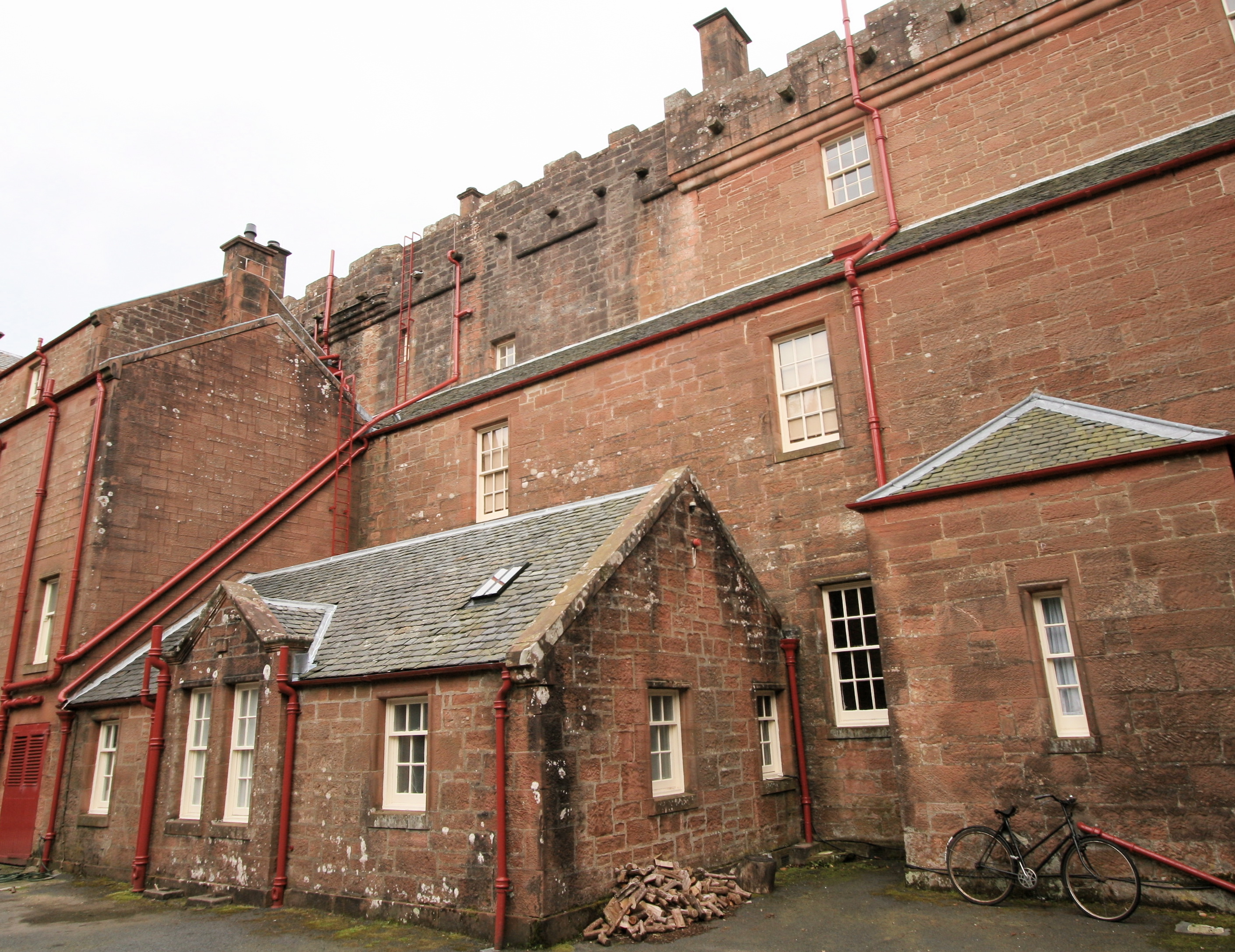 | The owner of the castle commutes to work on her cycle. |
 | |
 | |
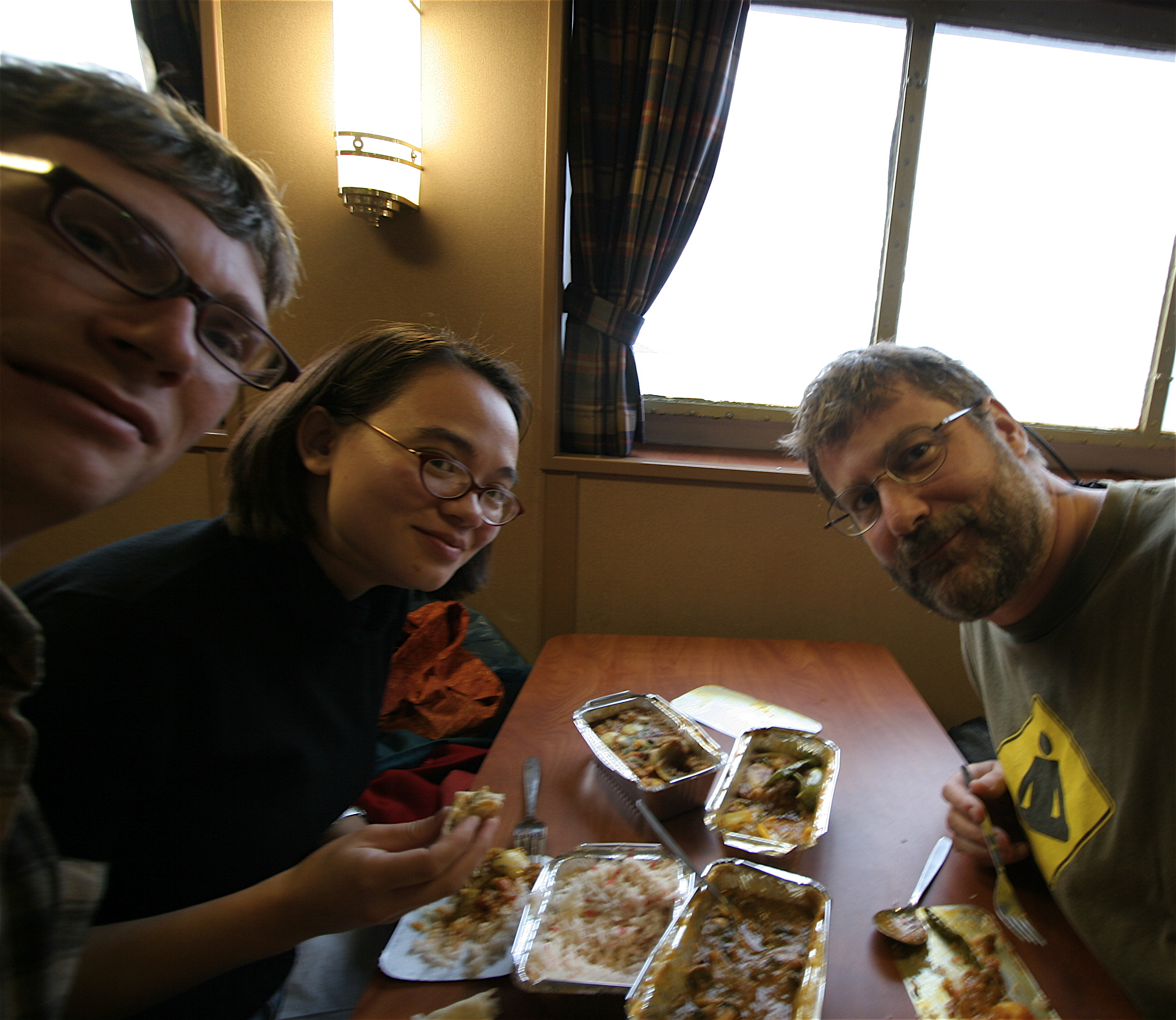 | Curry on the return ferry trip. |
 | |
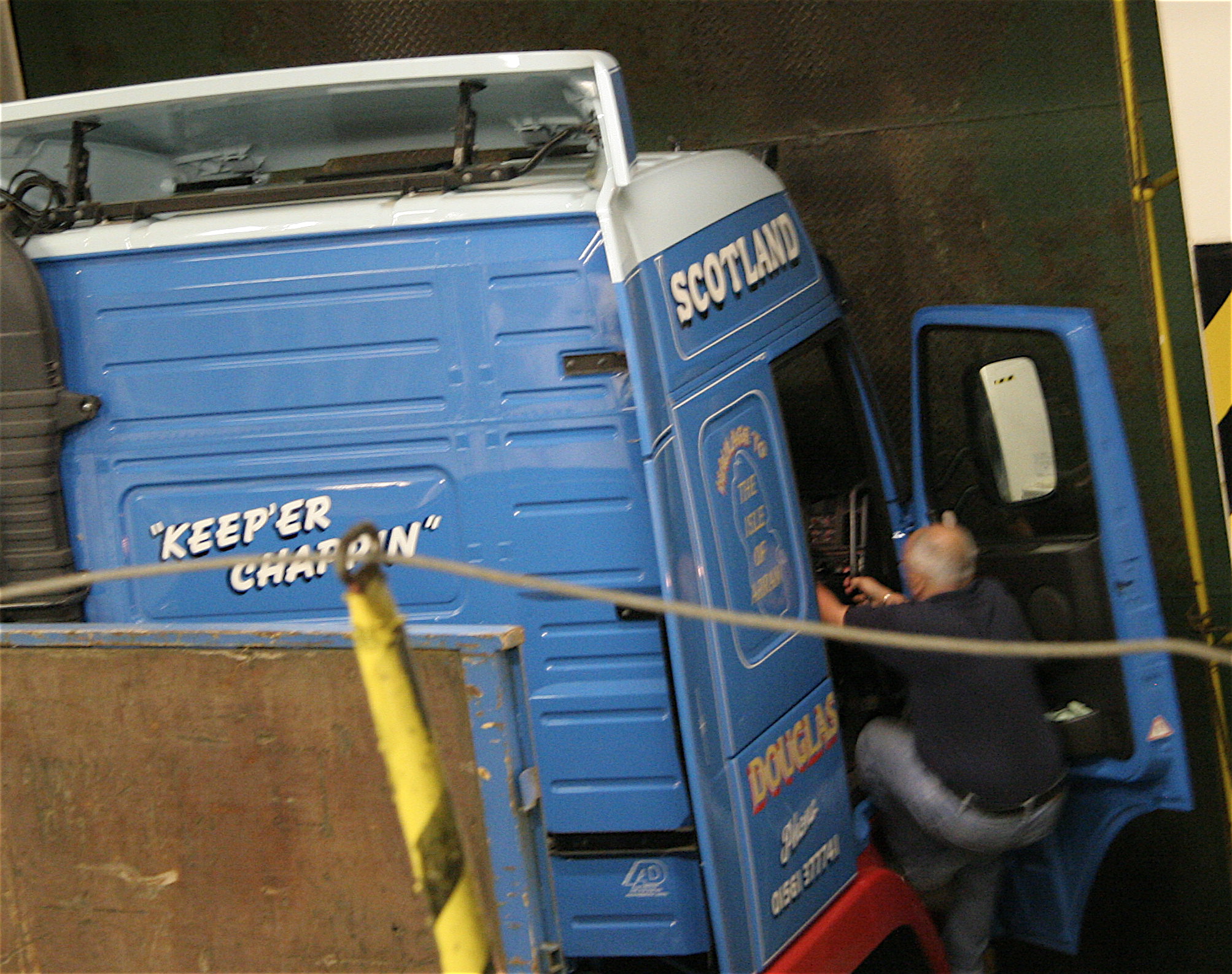 | Keep 'er Chappin! I couldn't have said it better myself... |
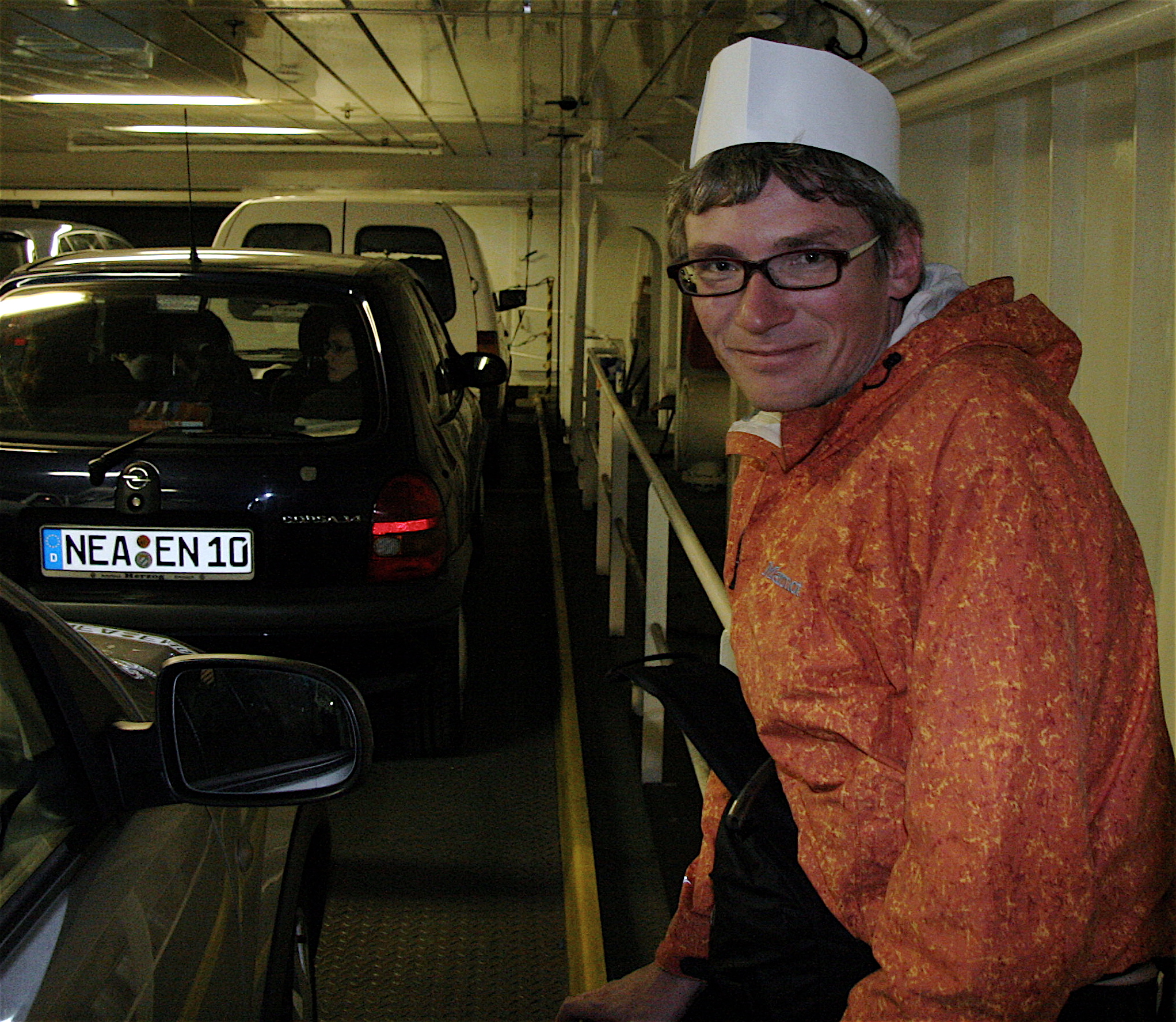 | I await disembarkment. |
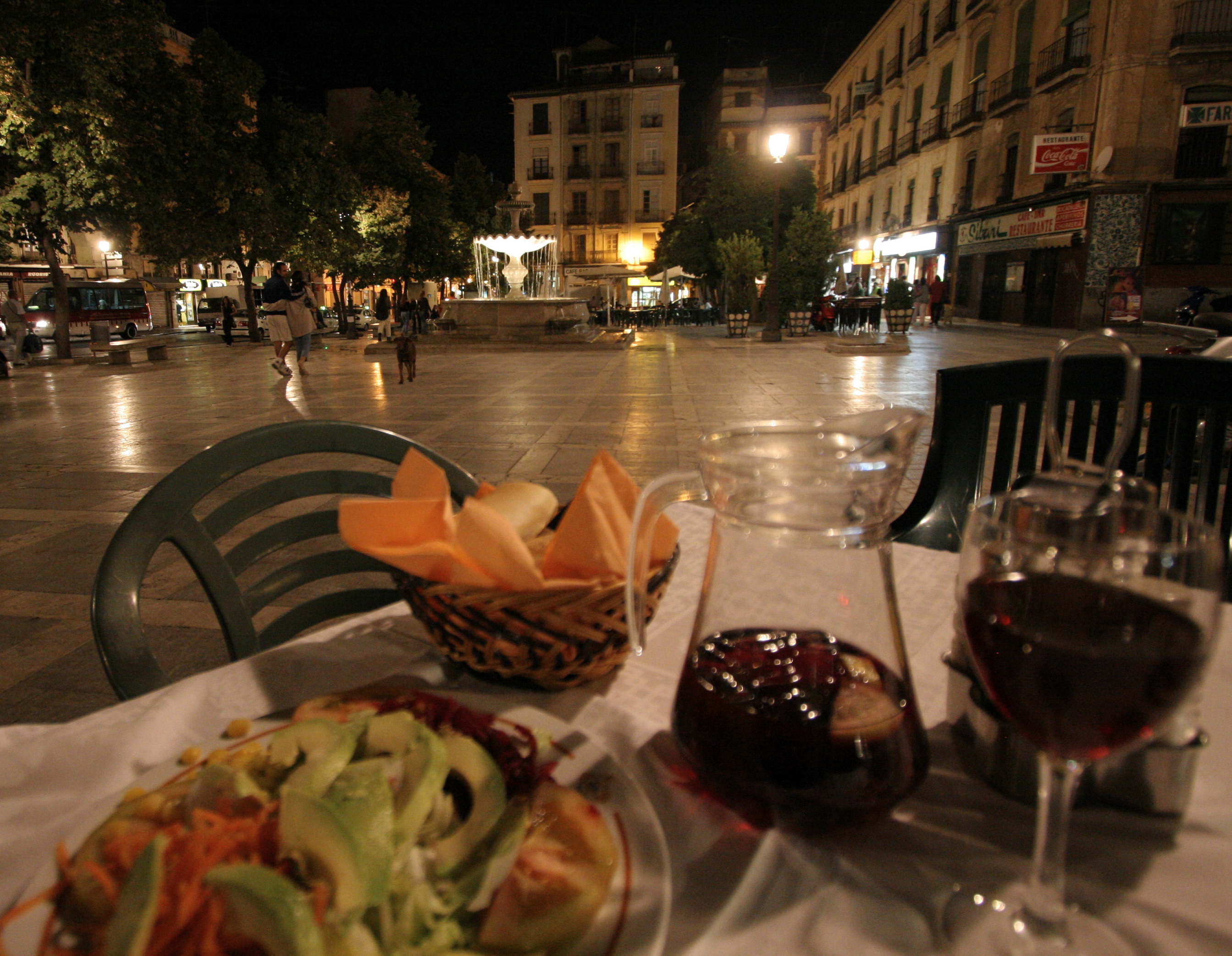 | New day, new country, new language, new personnel. Mark has departed back home; Maggie and I have flown to Granada, in S. Spain. Here we are sitting in a romantic Spanish plaza replete with fountain and minstrels, about to eat a very mediocre meal of brown avocadoes and green tomatoes. |
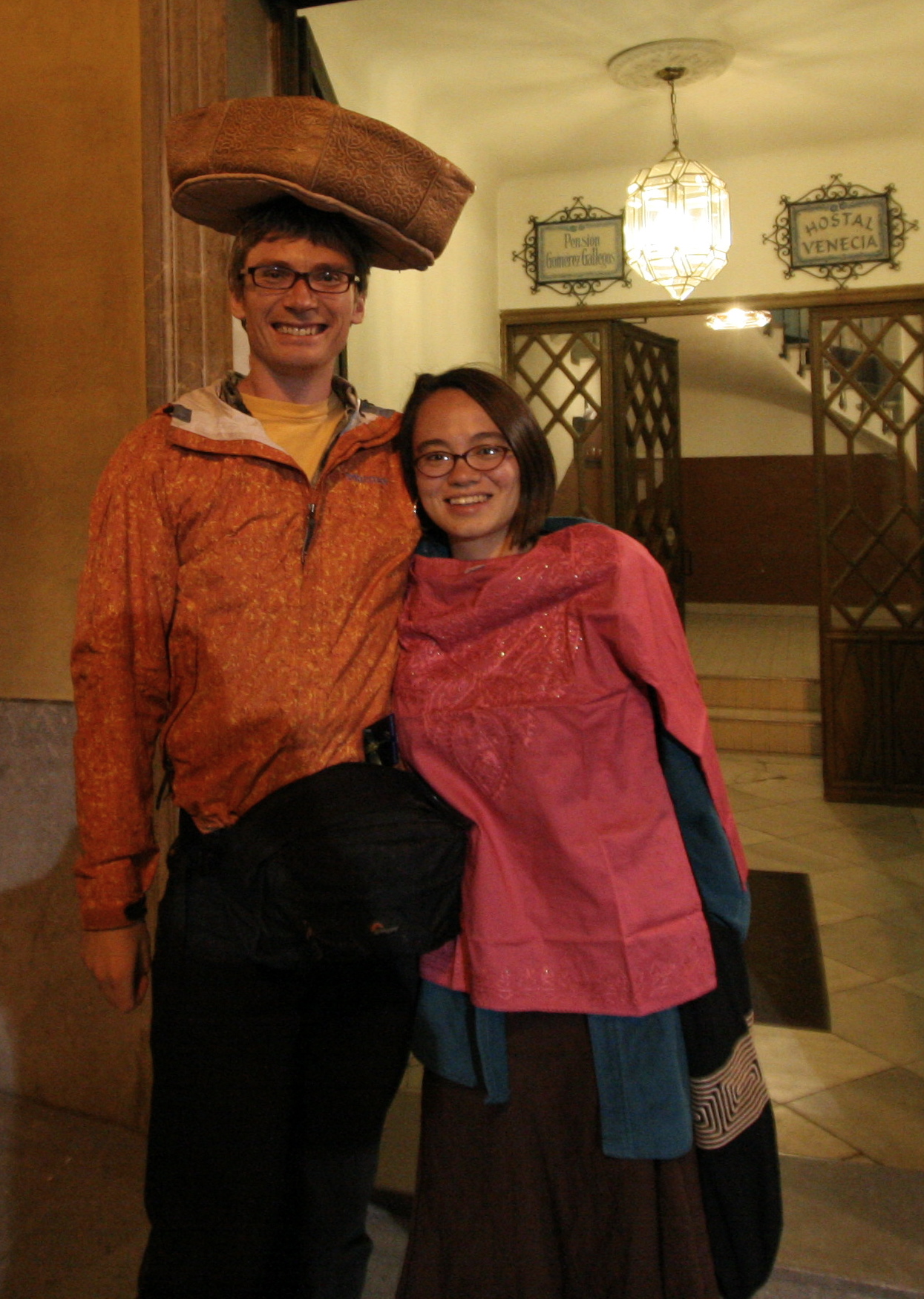 | We pose in front of the cute little place at which we're staying. |
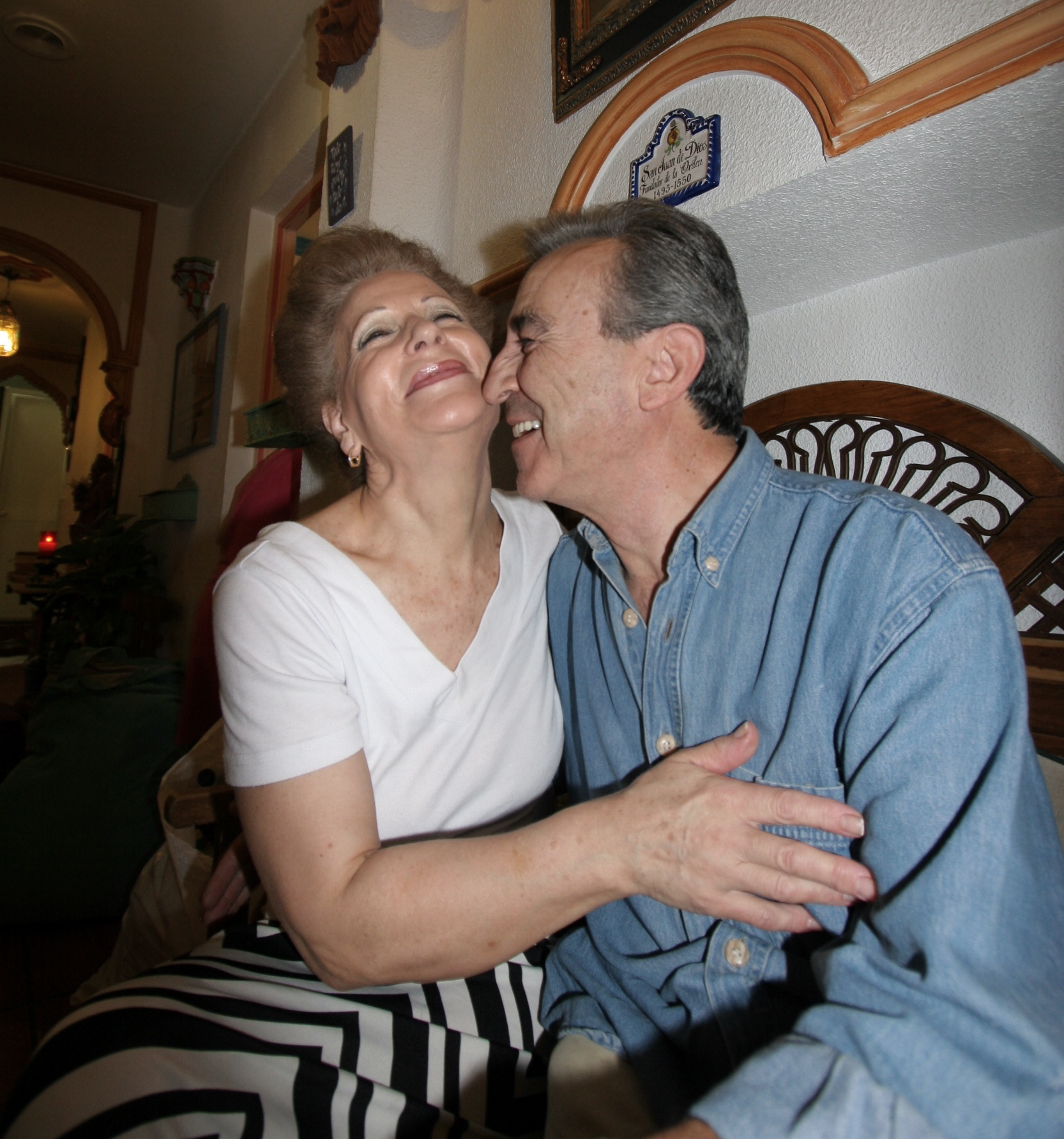 | The owners of the pansion where we stay. Sweet people; sweet place. |
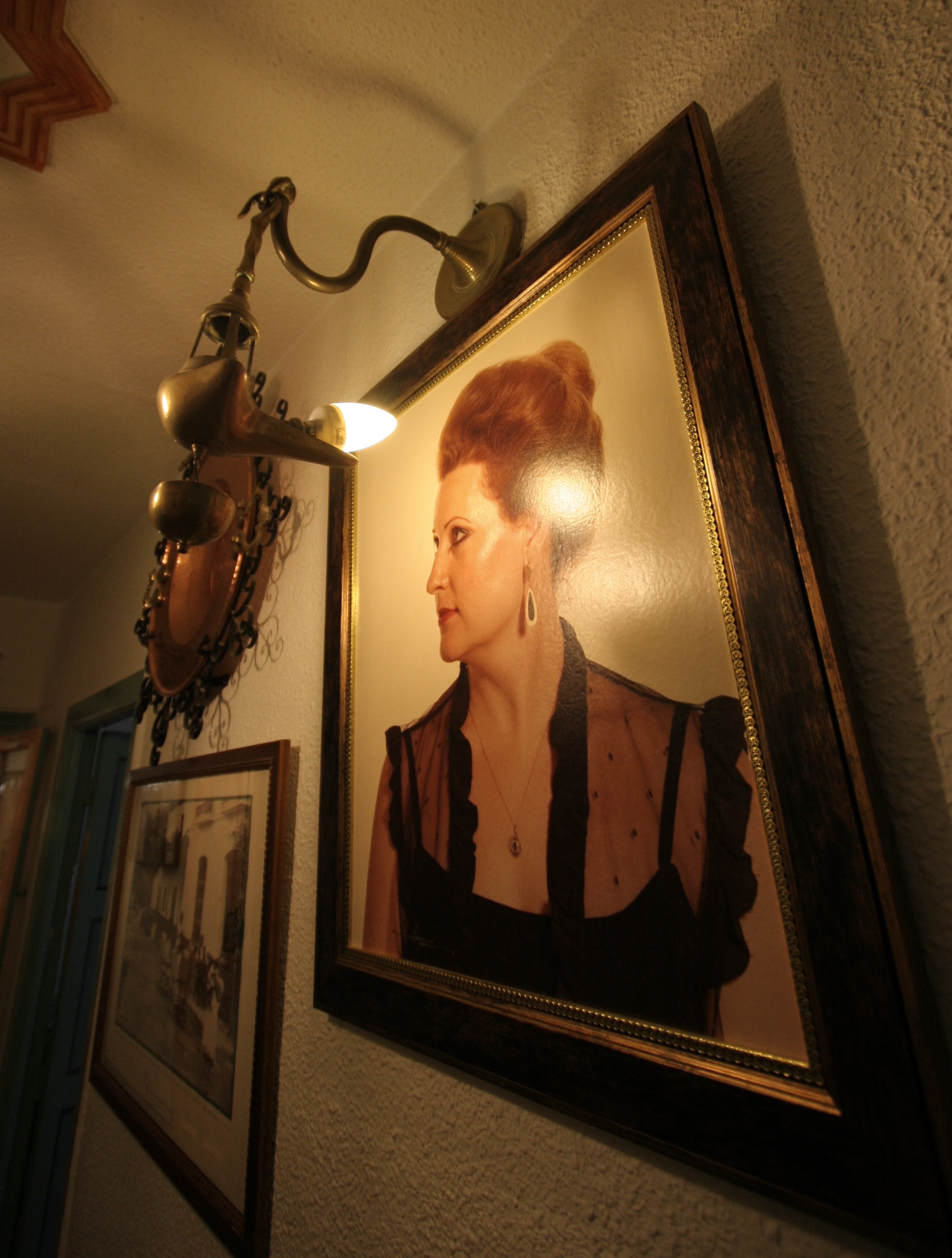 | He has commissioned a photo of his lovely wife. |
 | |
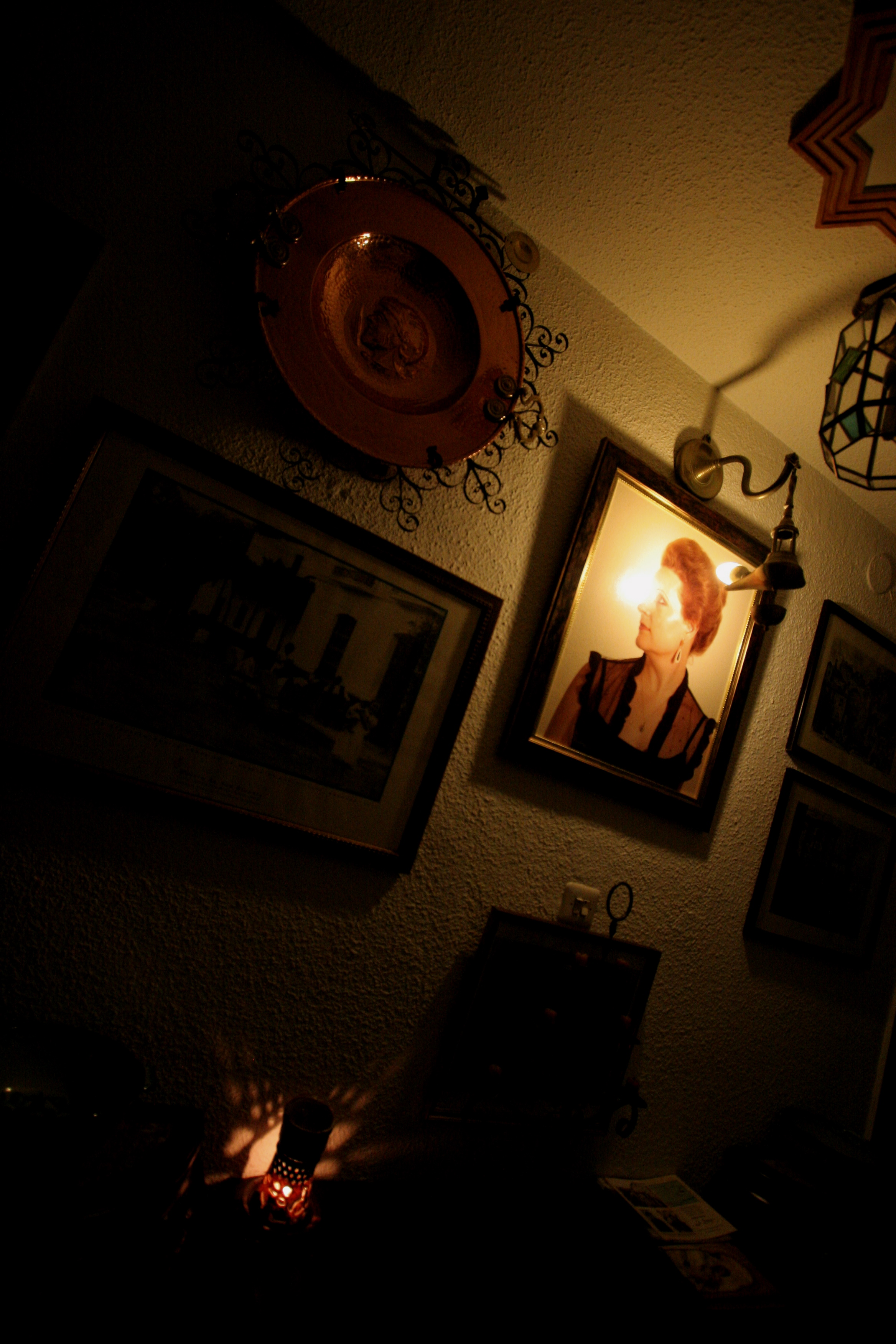 | She watches over at night... |
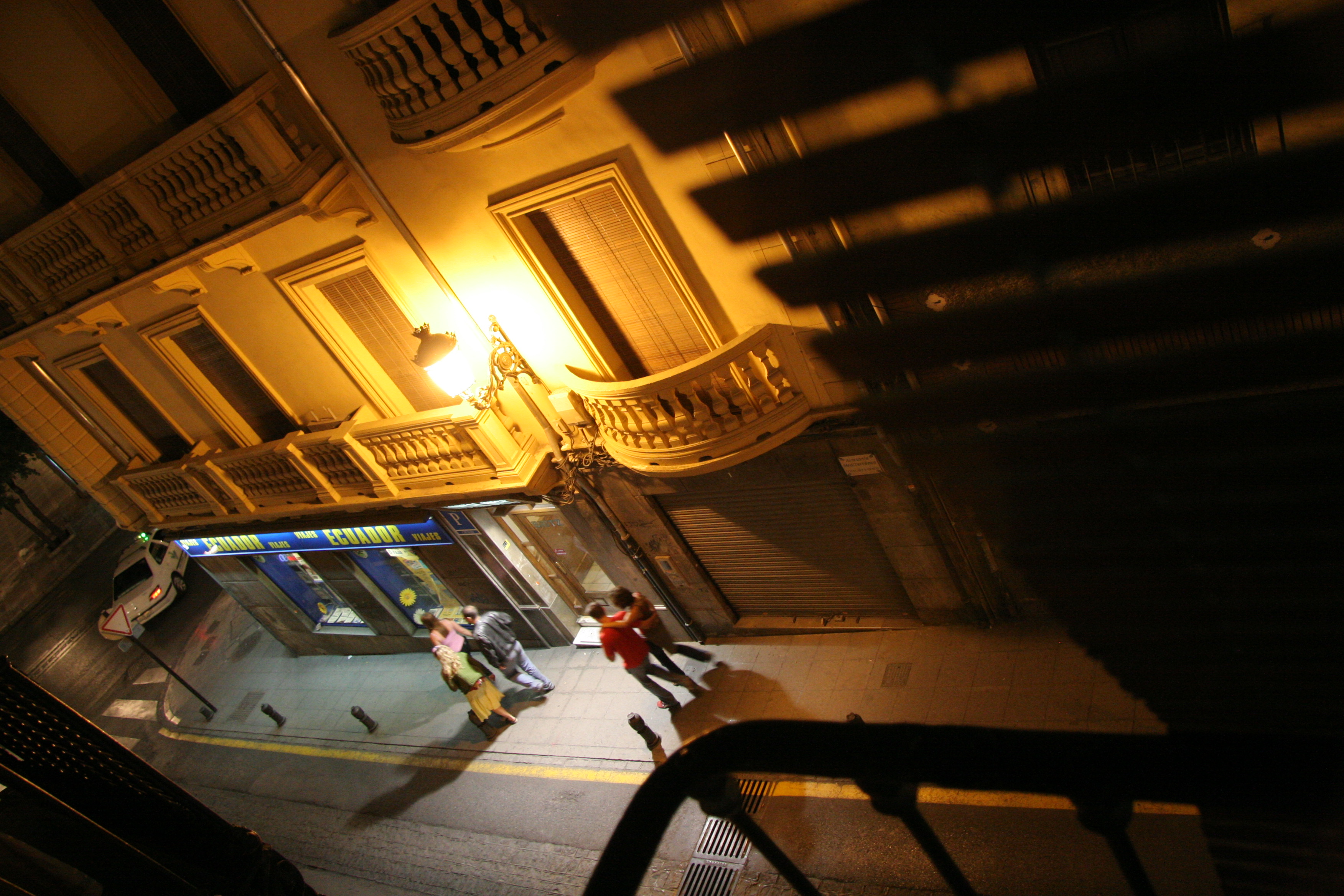
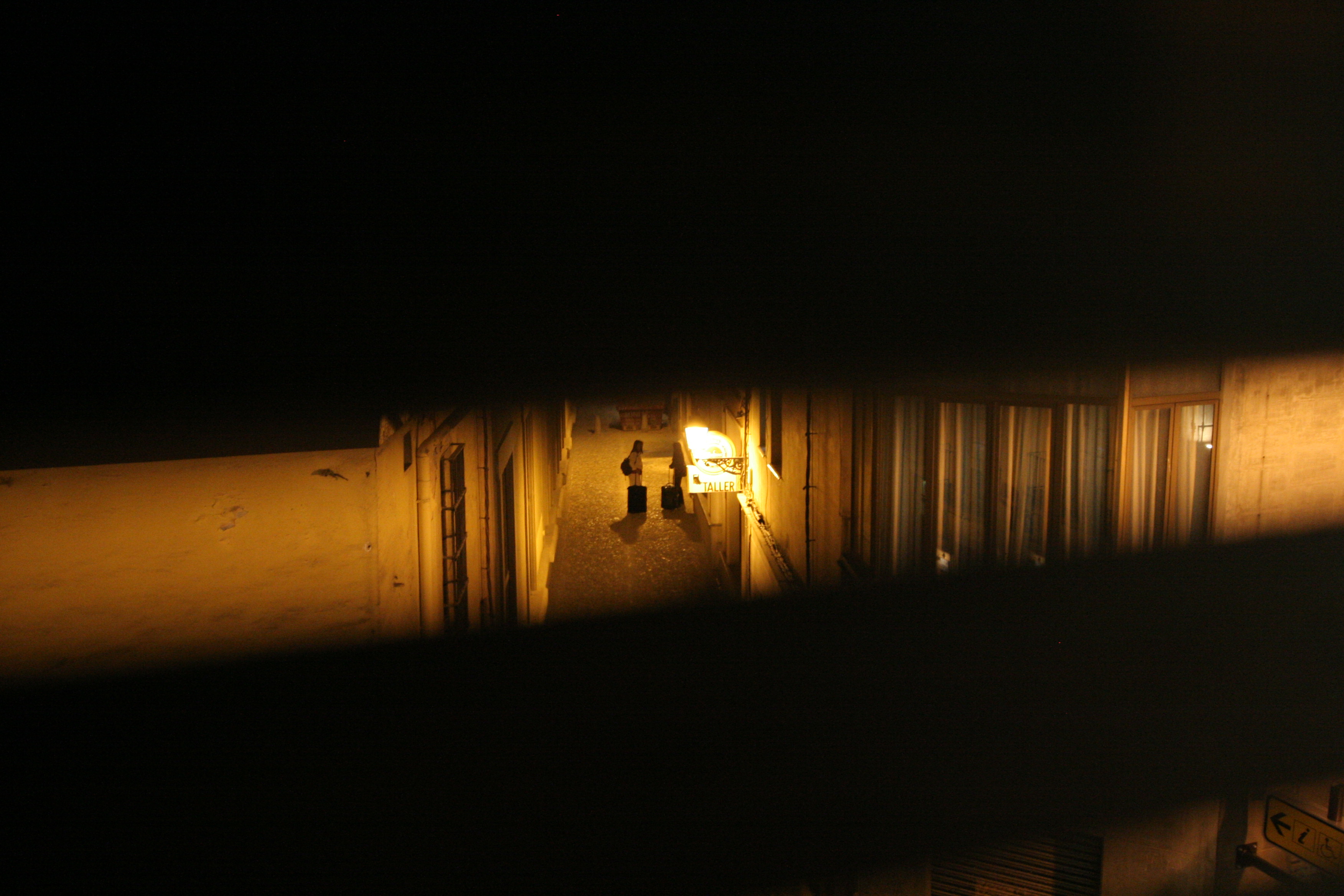 | These individuals are not as lucky as us: they are knocking door-to-door to find housing. Lucky for us, both Maggie and her cellphone speak Spanish, so we manged to find our place successfully. Perhaps this was our only logistical success in all of Spain, but it was quite a score nonetheless. |
 | |
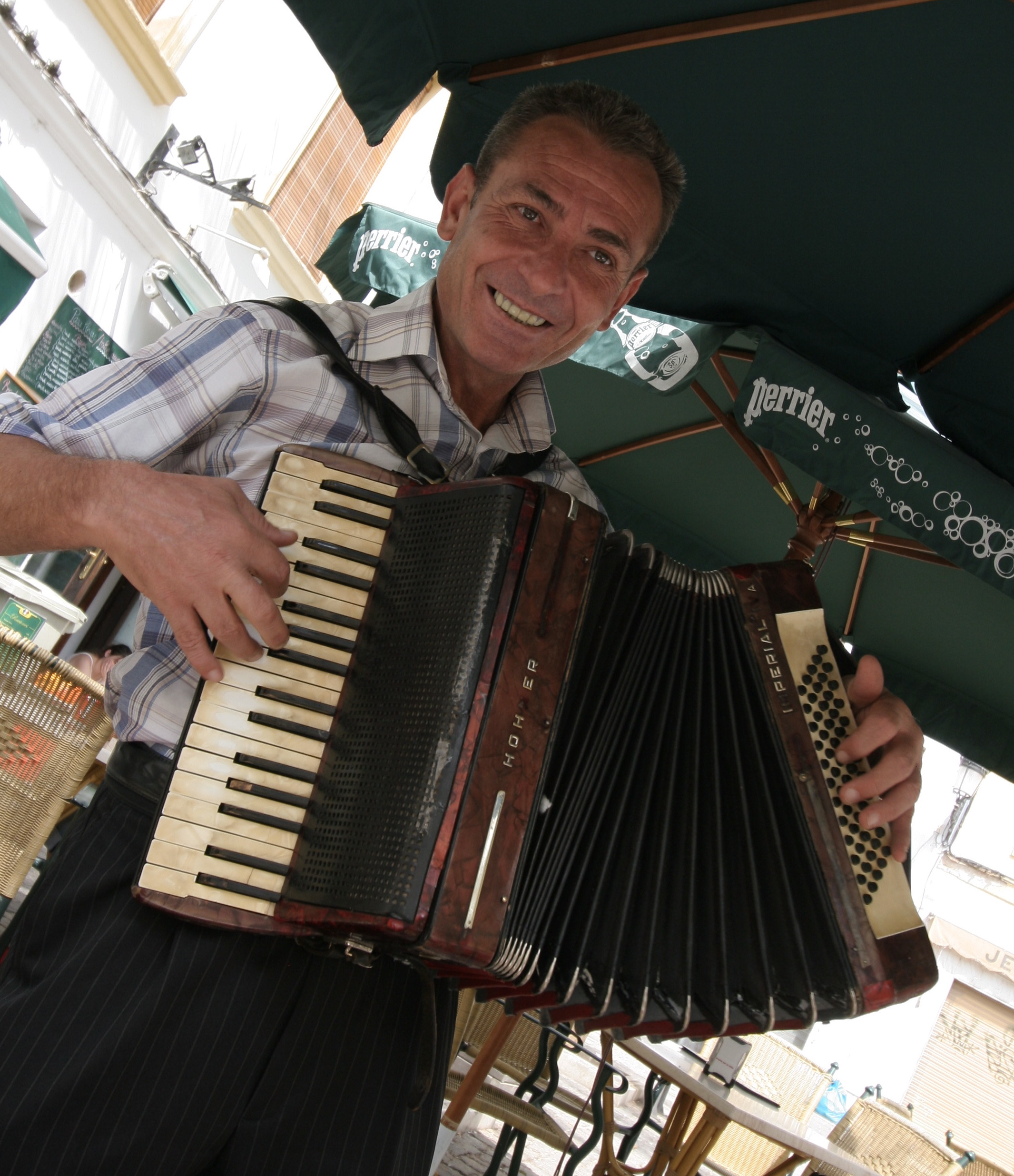 | We are huckstered for a Euro. |
 | |
 | |
 | In other news, we had flights planned in two days from Barcelona, 1000 km away. But a quick trip to the travel agent tells us that the night train is full -- no seats for a week. We had considered reserving these ahead of time, but I decided against it in order to 'give us more flexibility.' |
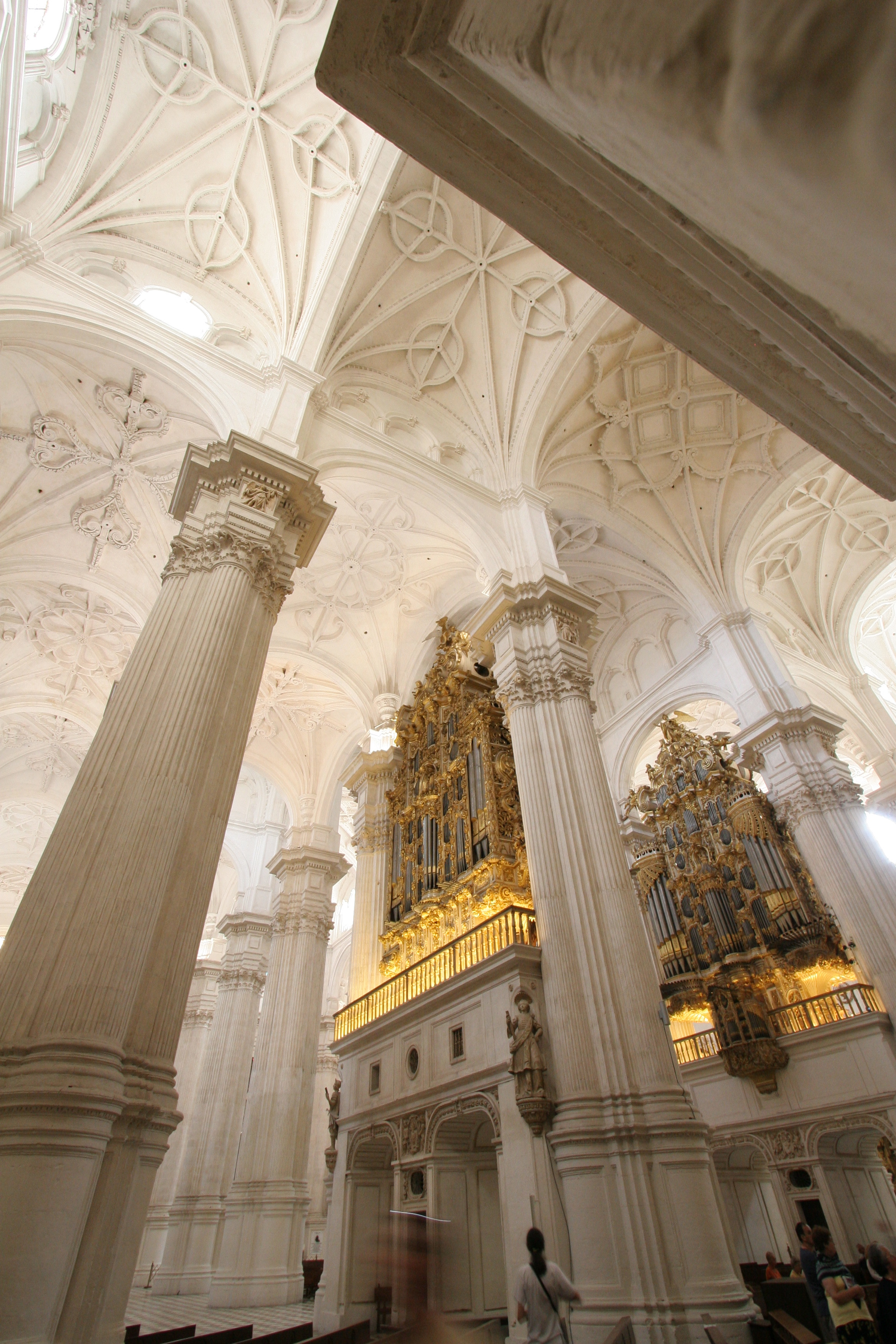 | Inside a very white, very virgin cathedral in Granada. Granada has had a long history of occupation by various competing entities, and the Christians are the main inhabitants today. How long will that last? |
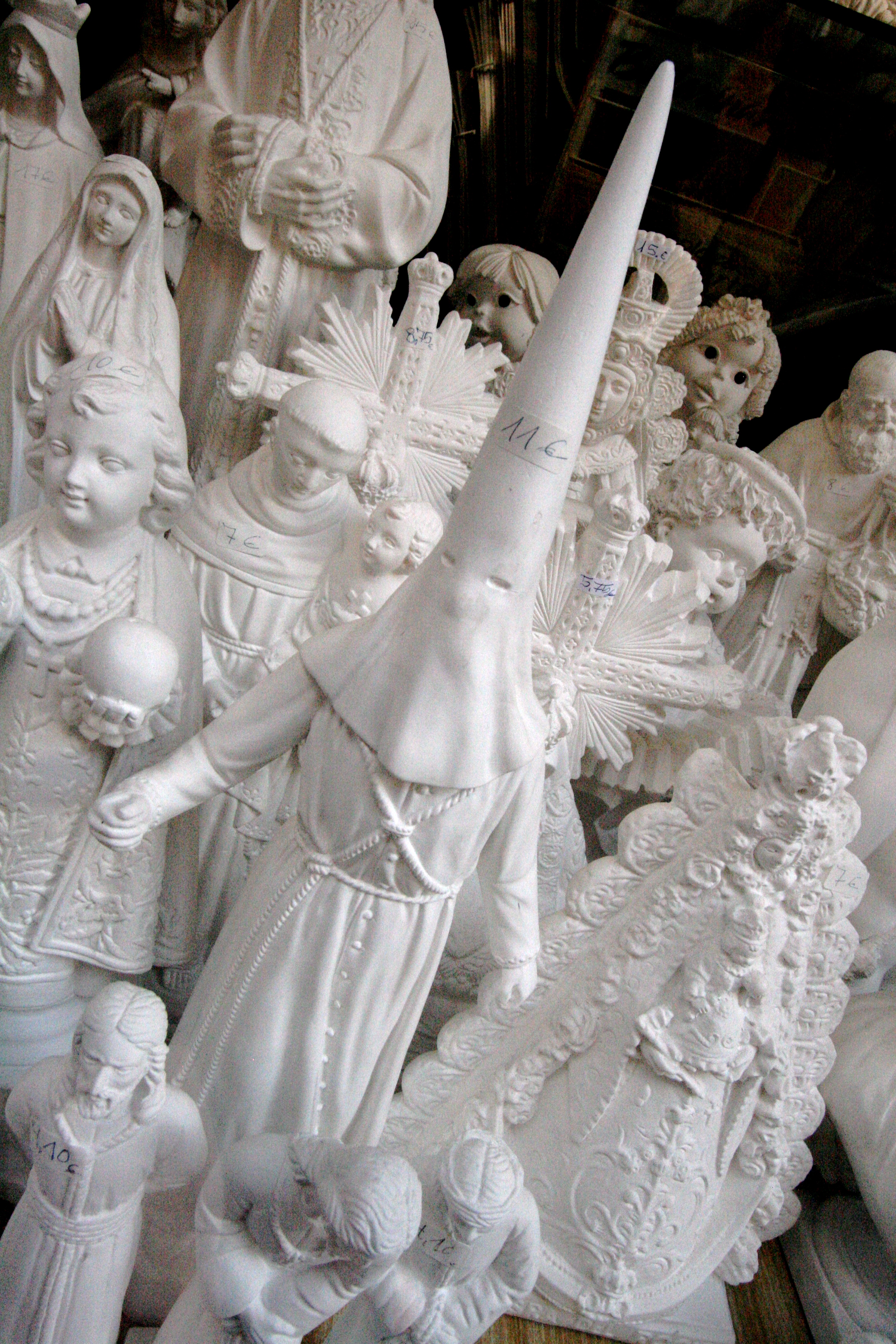 | For the bargain price of 11 Euros, one can buy a very nice white-hooded man! We did some research and found out that despite his skin color, there is no Aryan symbology going on here. (It's a Christmas thing, I believe.) |
 | |
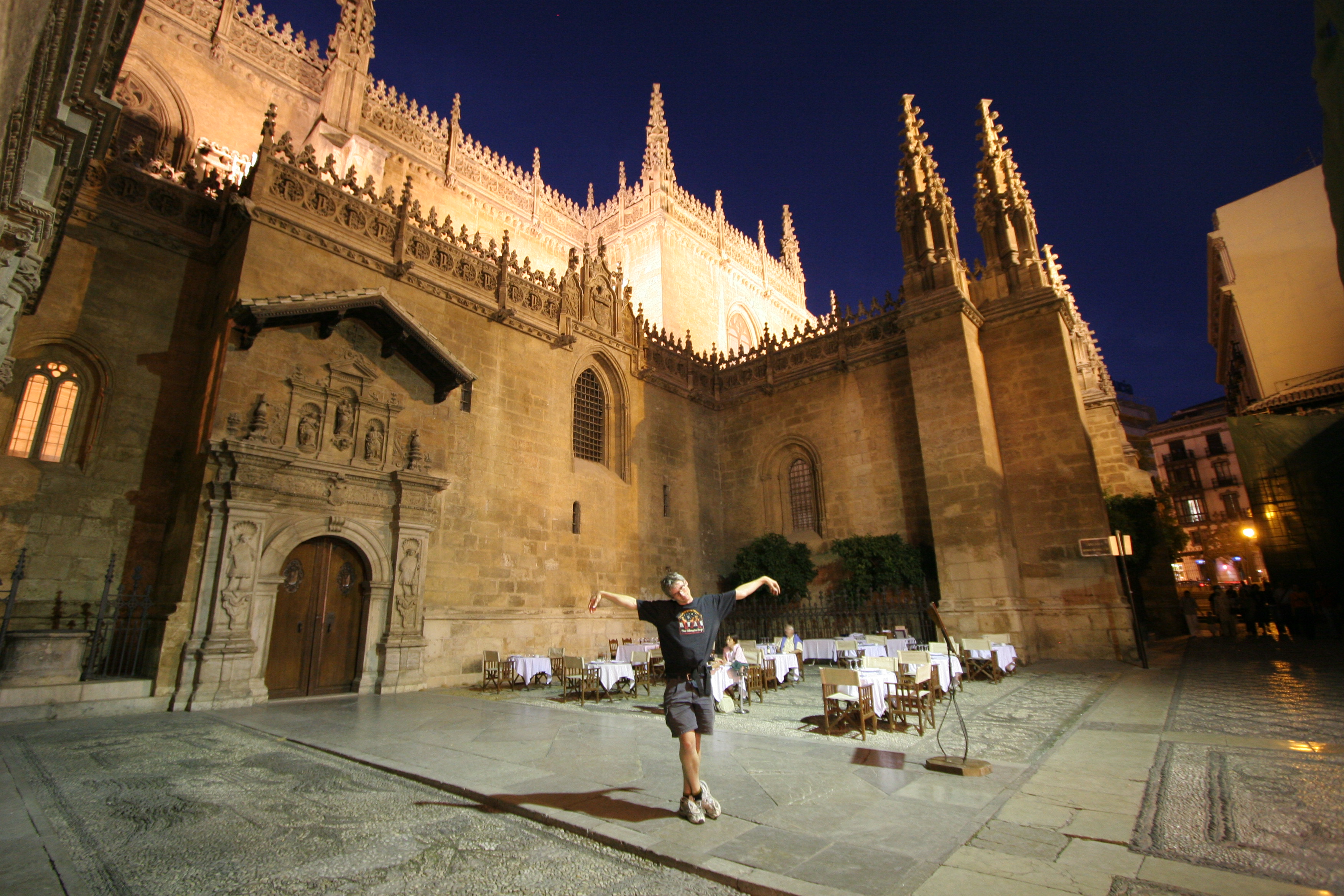 | Quick quiz! What historical religious figure am I sacrilegiously depicting here? |
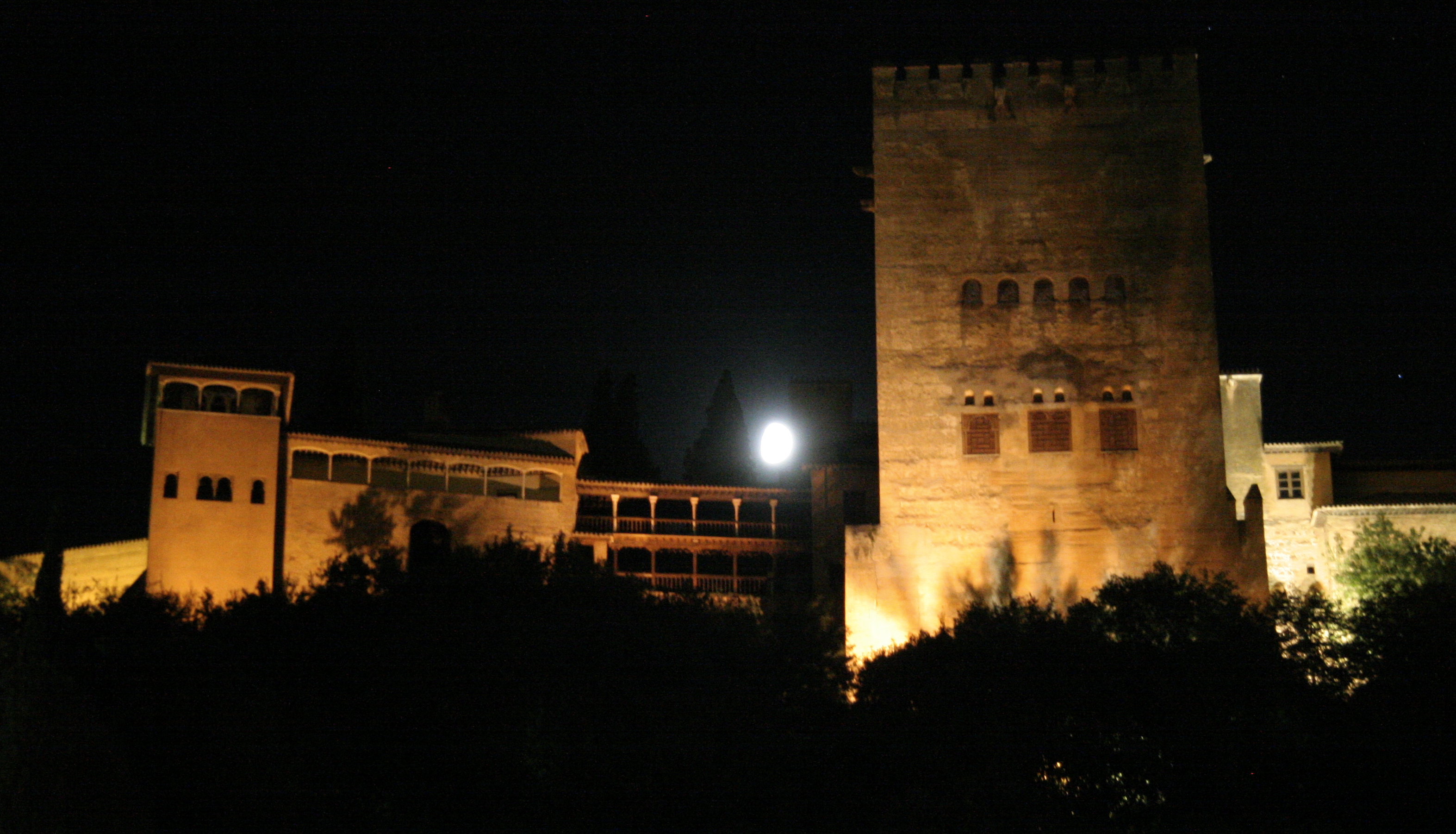
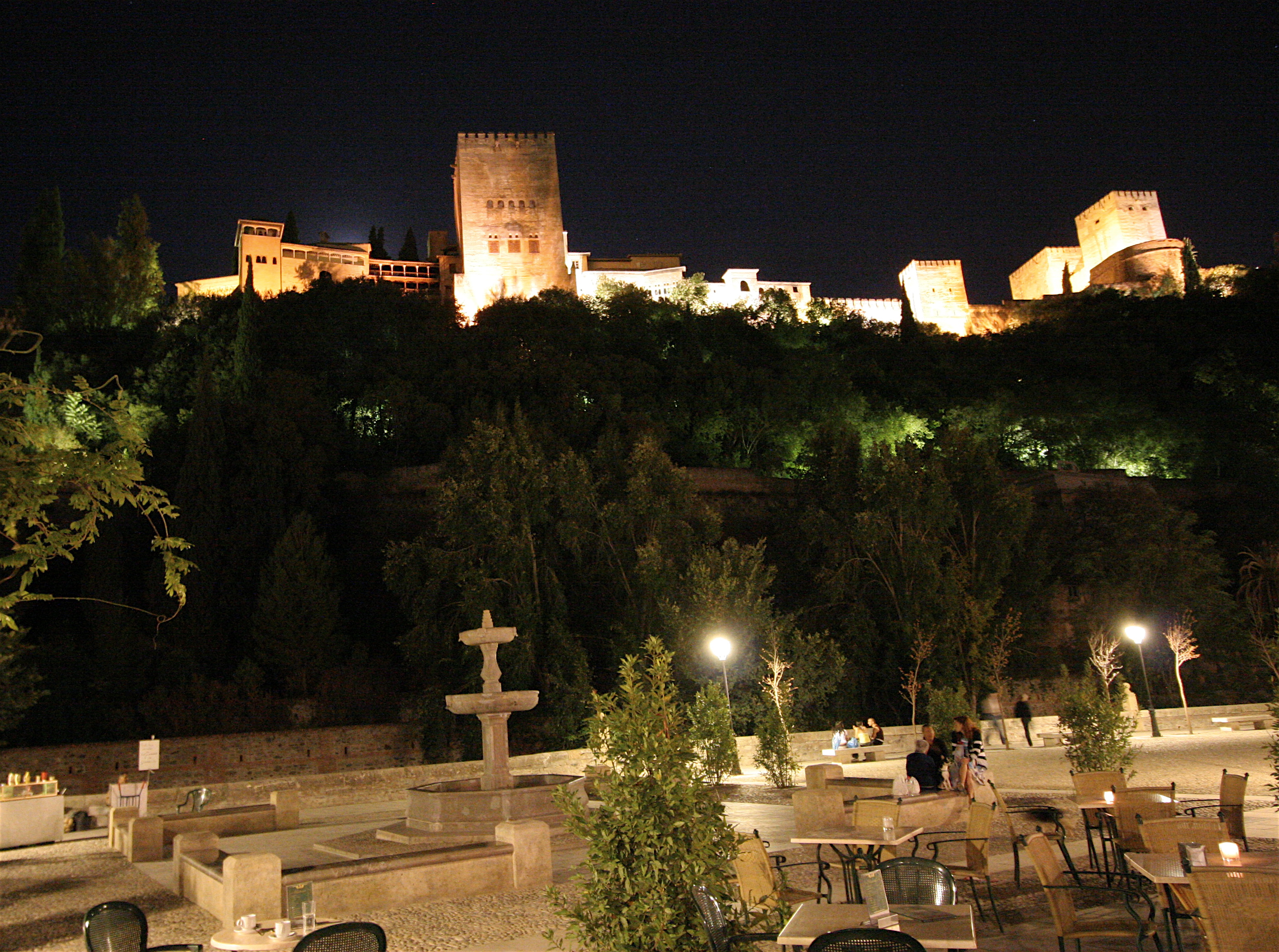 | OK, the plan was go to to the Alhambra. That was the whole reason we flew to Granada. Once we got to Granada, I checked out the scene, and found out that Lonely Planet was right: indeed, you need tickets to get inside, and these tickets are pretty hard to come by at last-minute. The website sells them ahead of time, but by this point were sold out for the whole next 11 days. Damn! So, it appeared that gazing on it from below was going to be the closest we were going to come to it. |
 | |
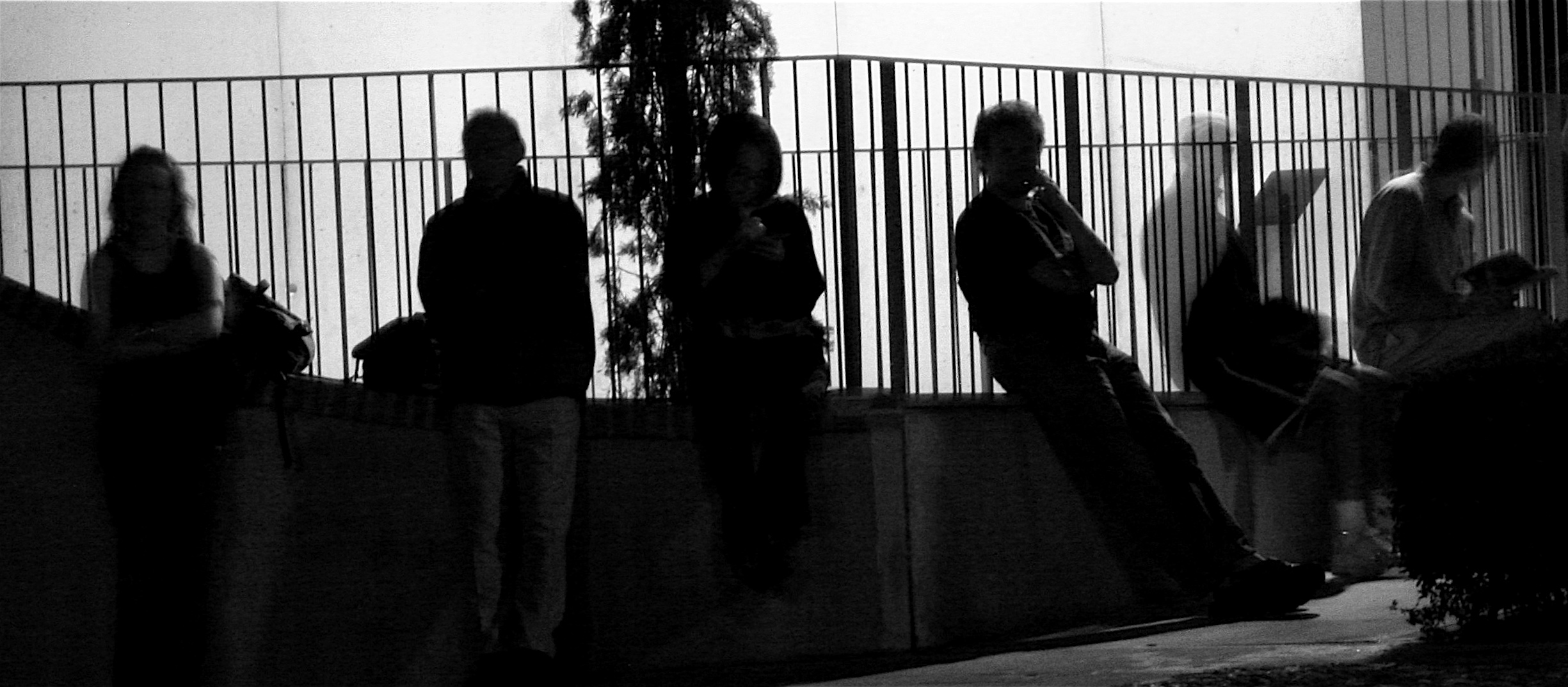
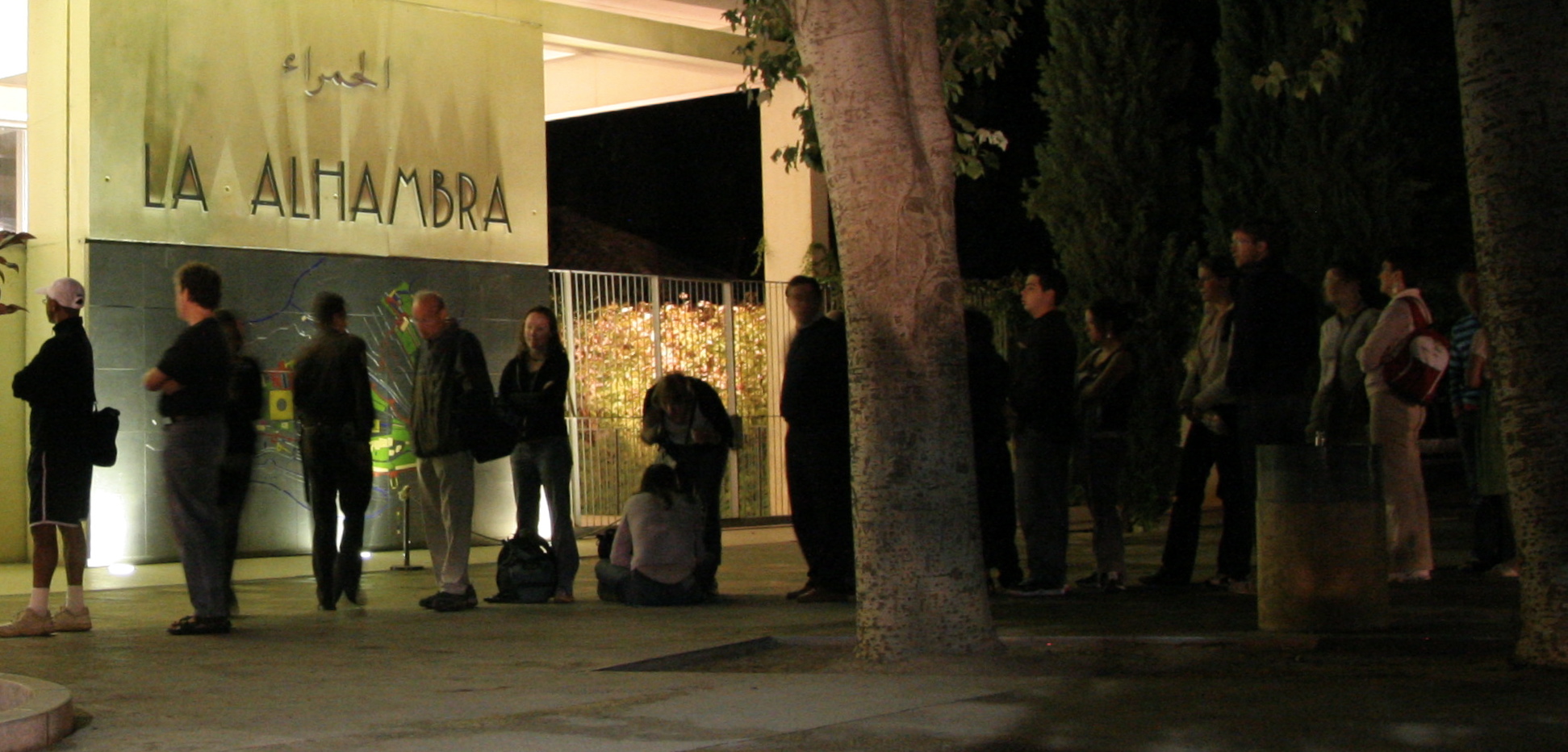 | A bit of research indicated to us that the Alhambra sells about 7500 tickets a day, with the vast majority of these reserved ahead of time. There are a few released on the day of. Gate opens at 8:30; we got up at 5 and headed up the hill. There were already a dozen people in line before us -- sharing with us enthusiasm and a lack of planning. |
 | |
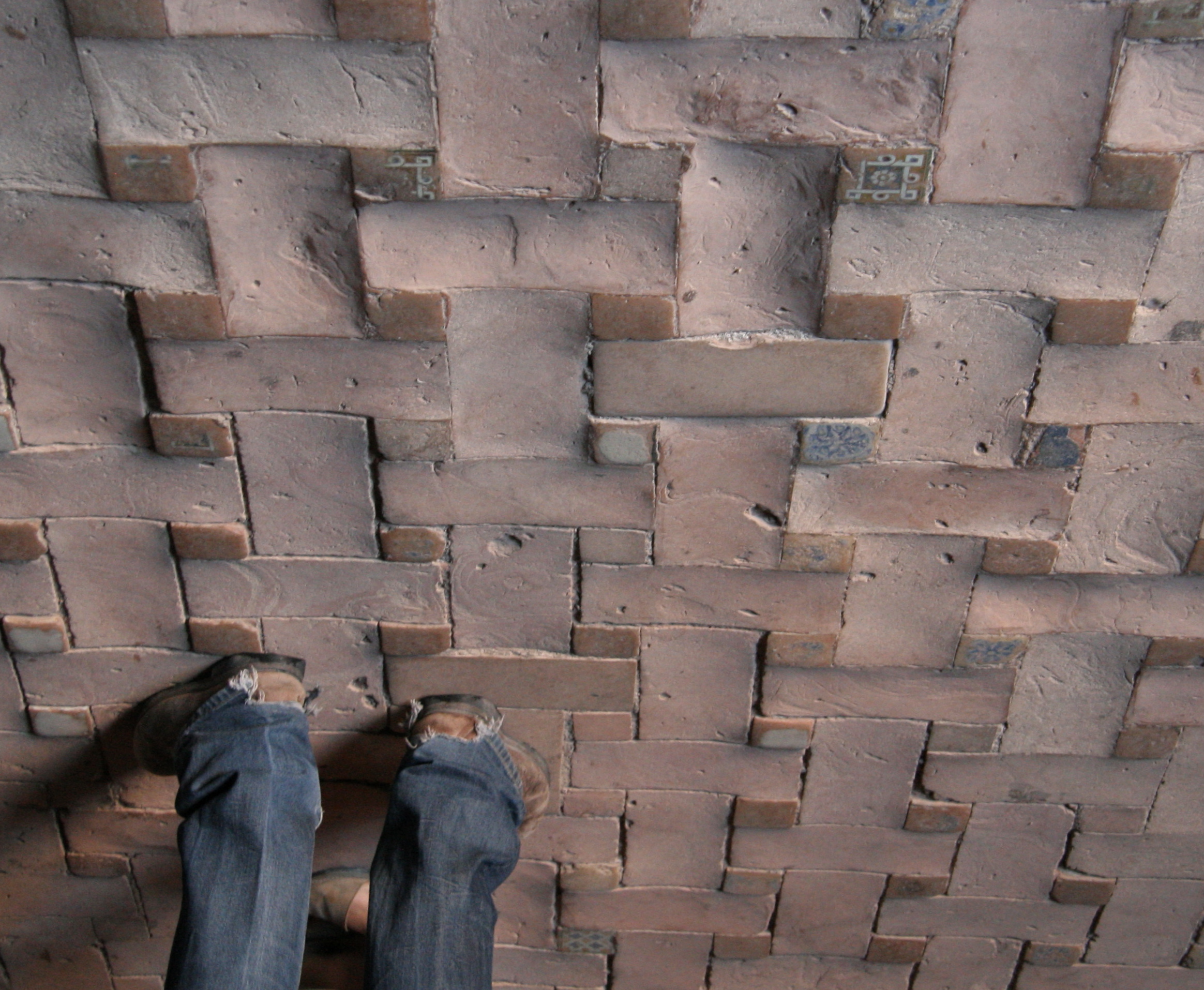 | We successfully got in.
The Alhambra was originally built as a Moorish (aka Muslim) city / palace around 700 AD. It's violently changed hands many times. Here, people walk on the ceiling in a room built before Columbus discovered the world was round in 1492. |
 | |
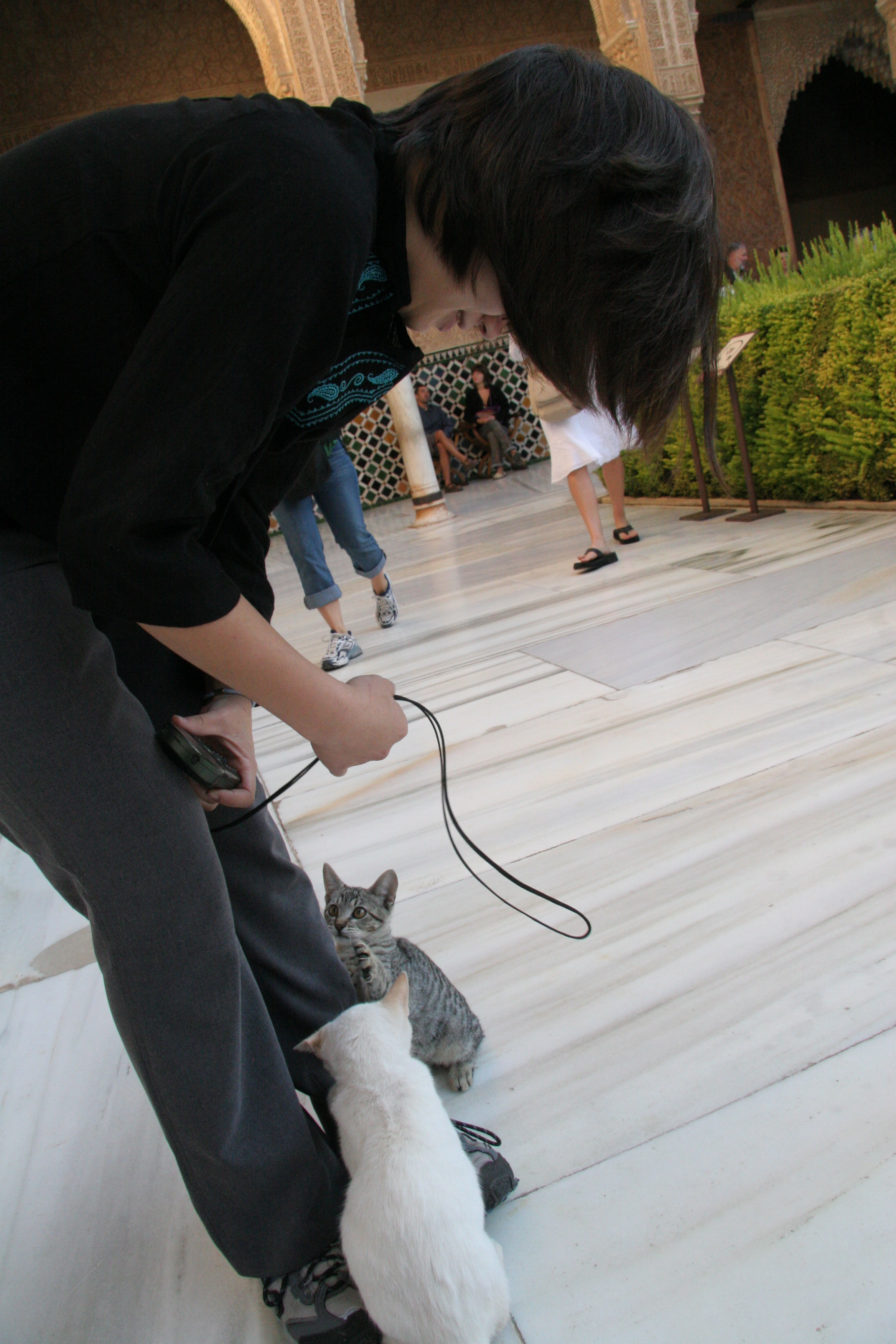 | Maggie finds the action! |
 | |
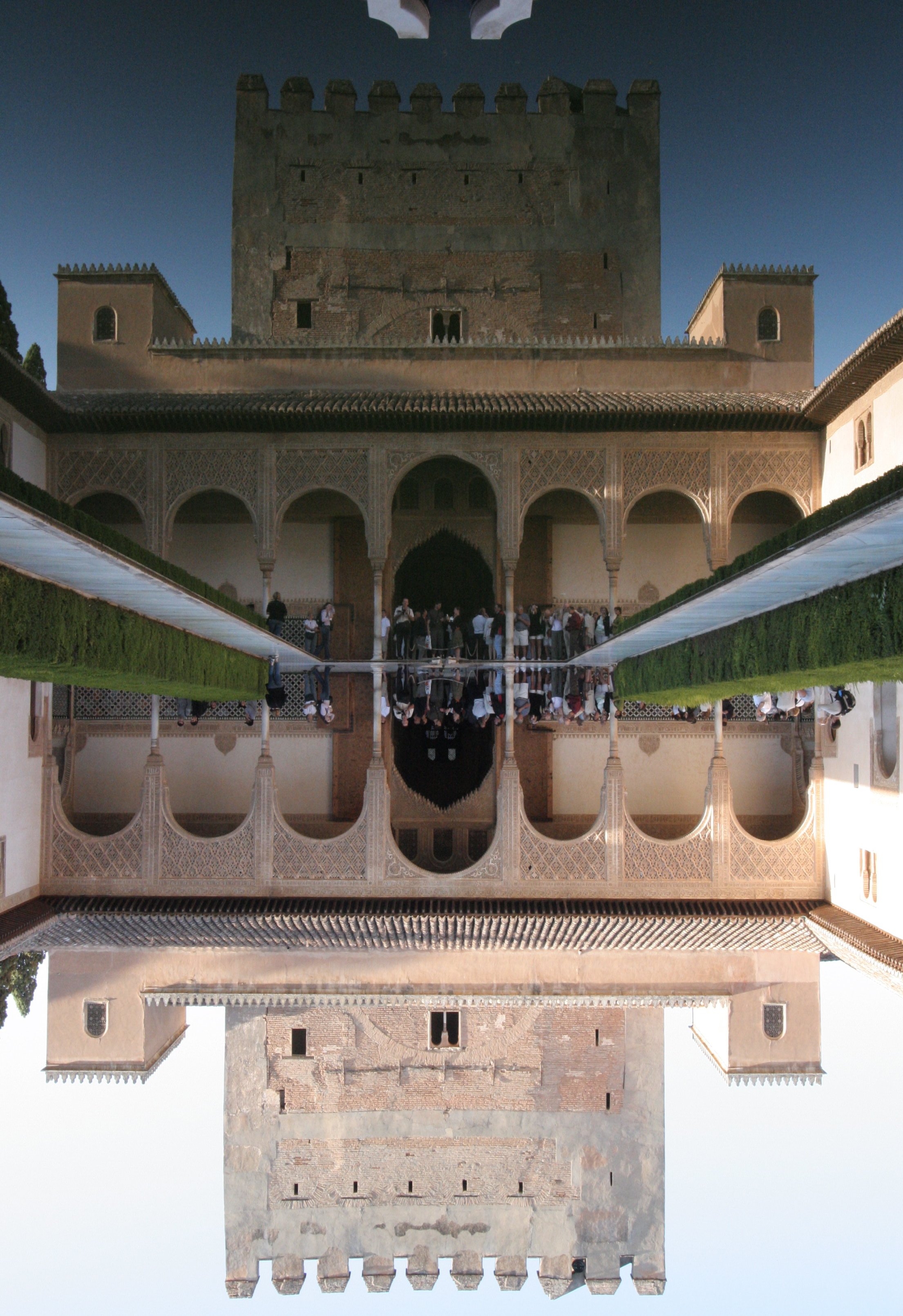
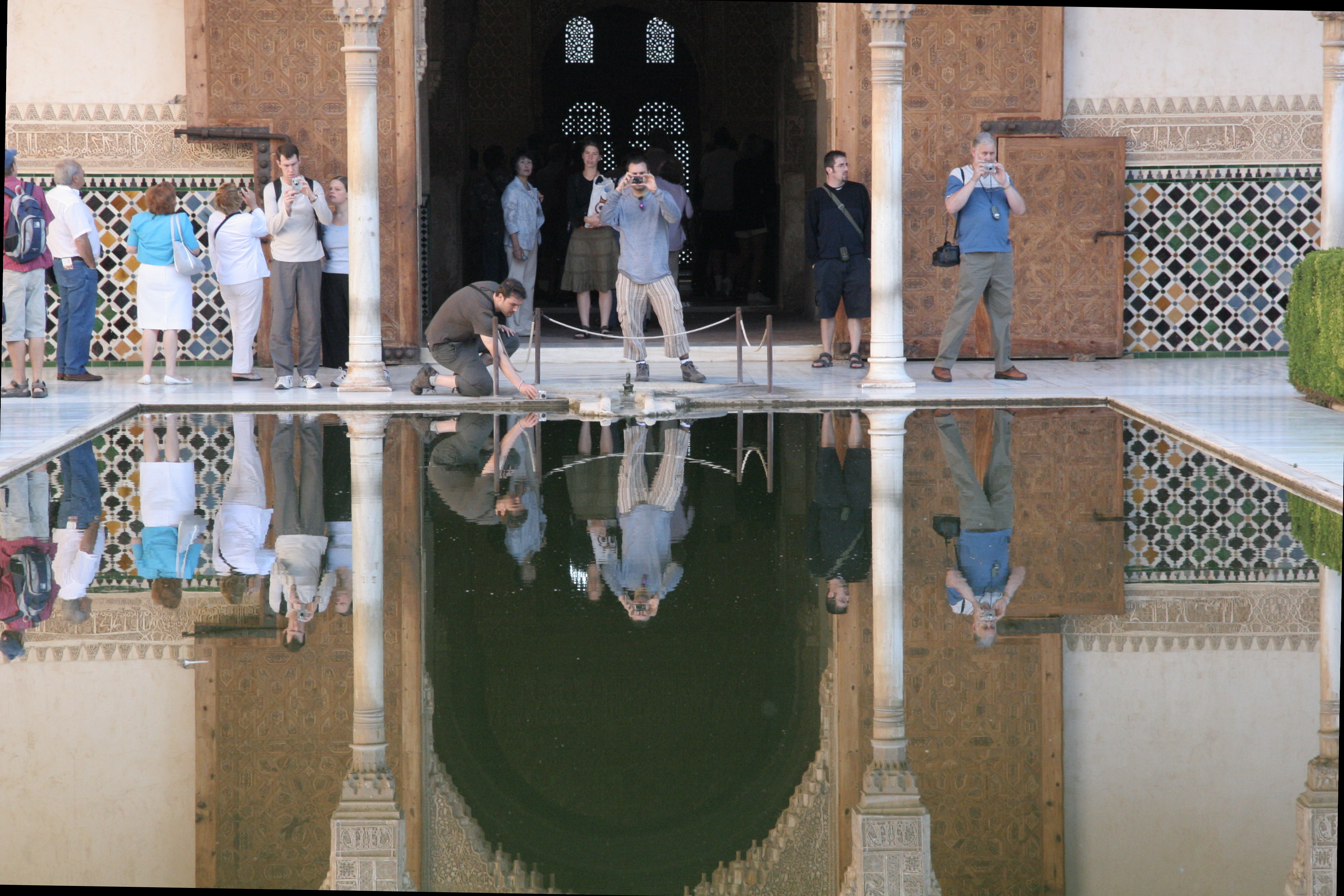
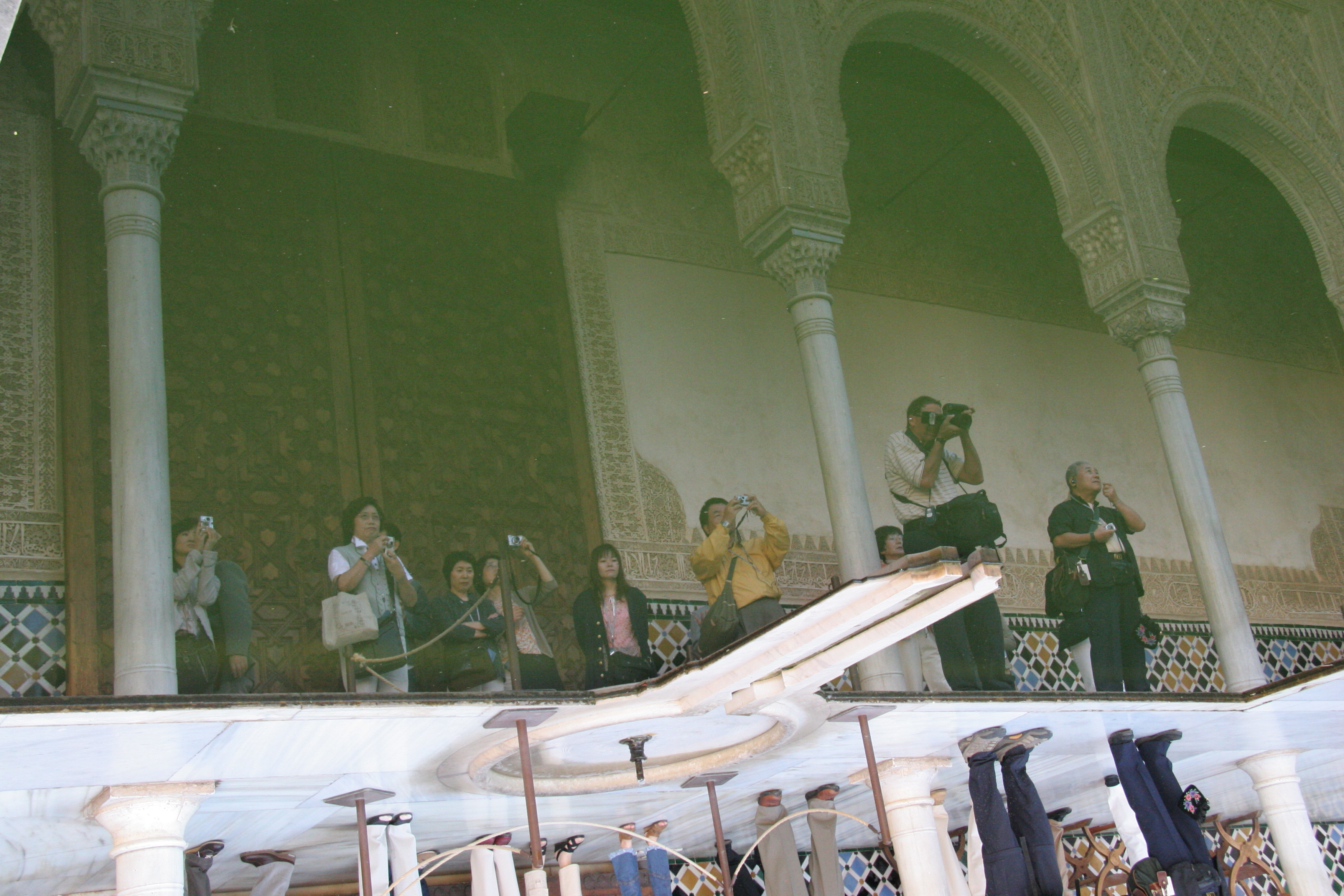
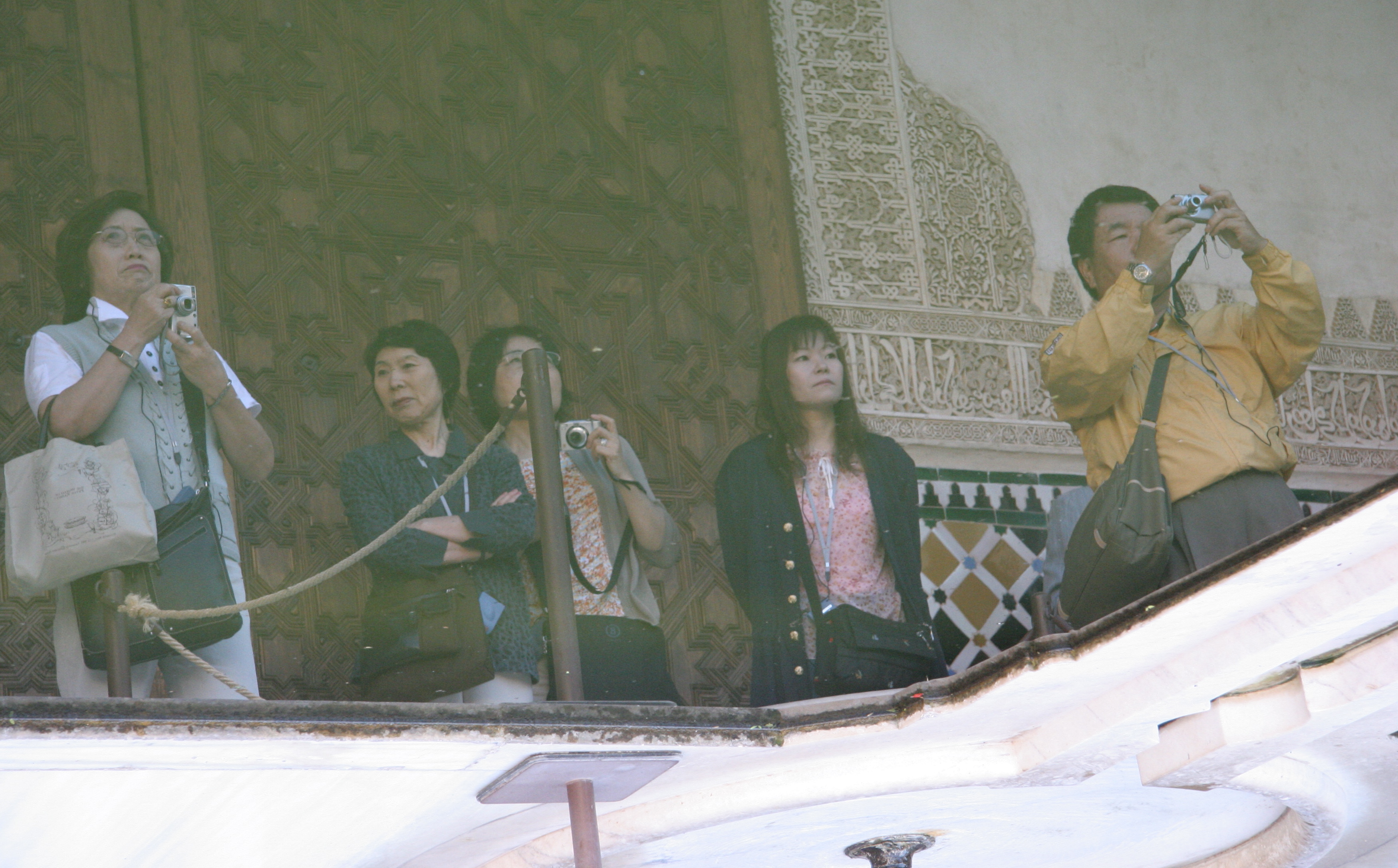
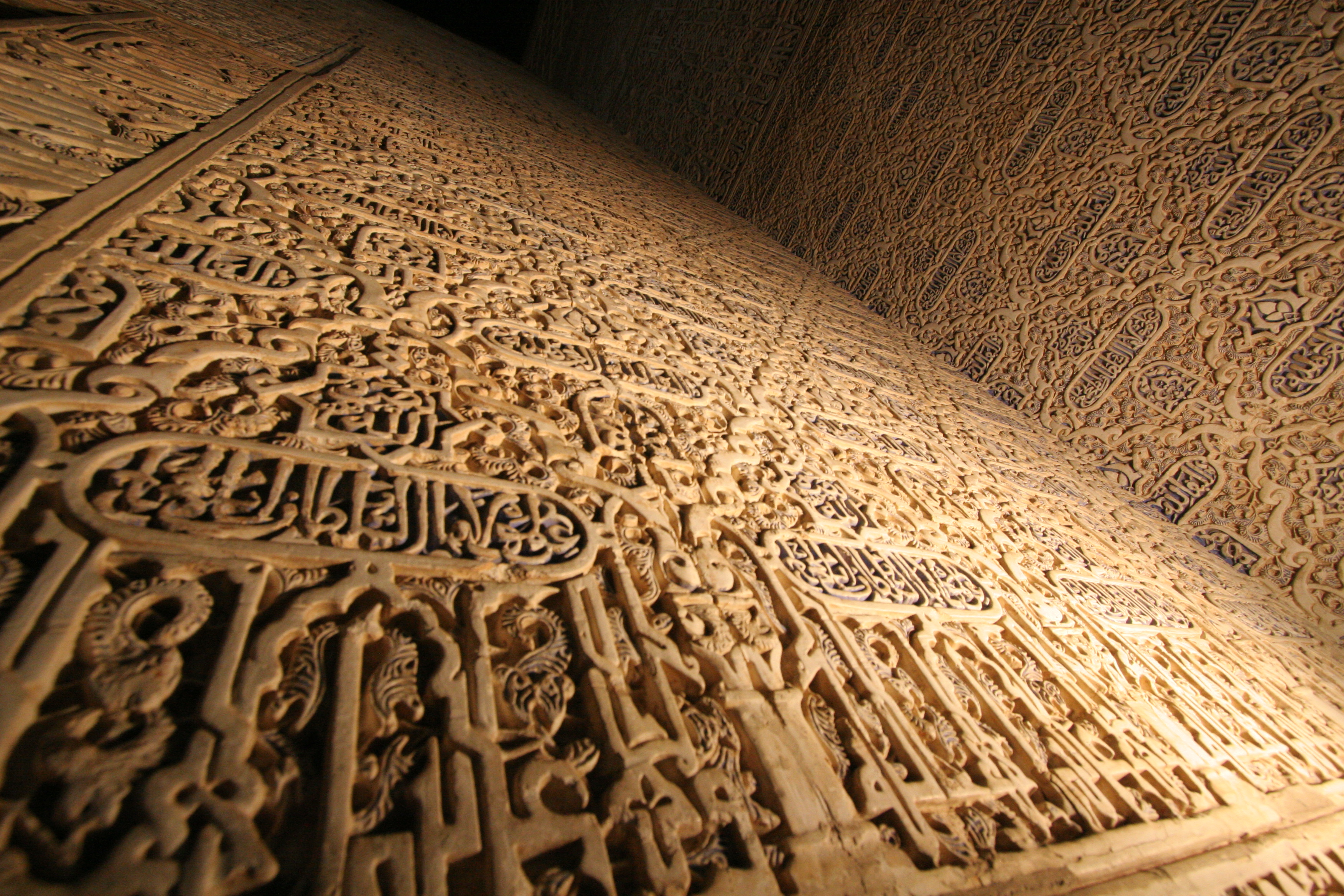
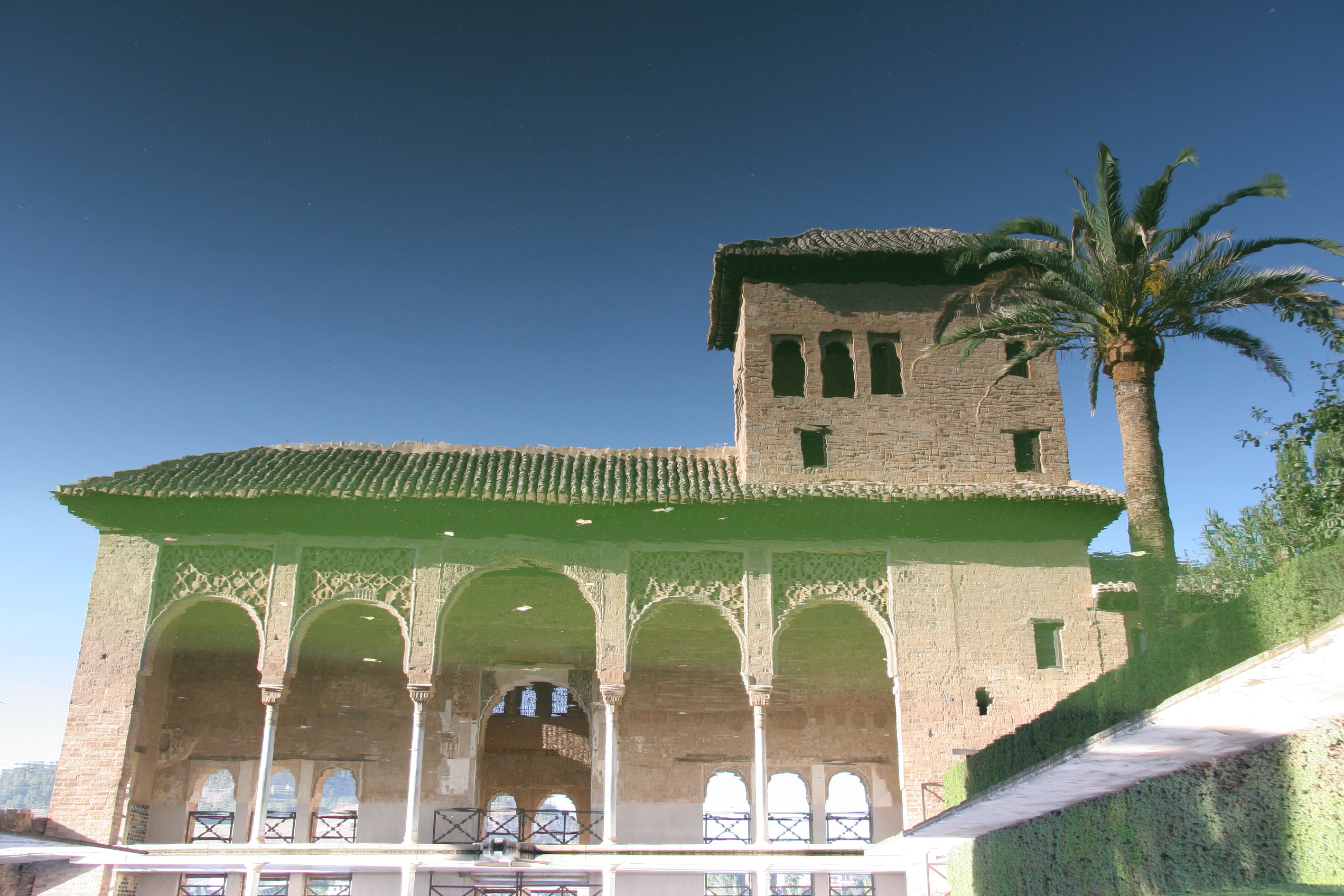
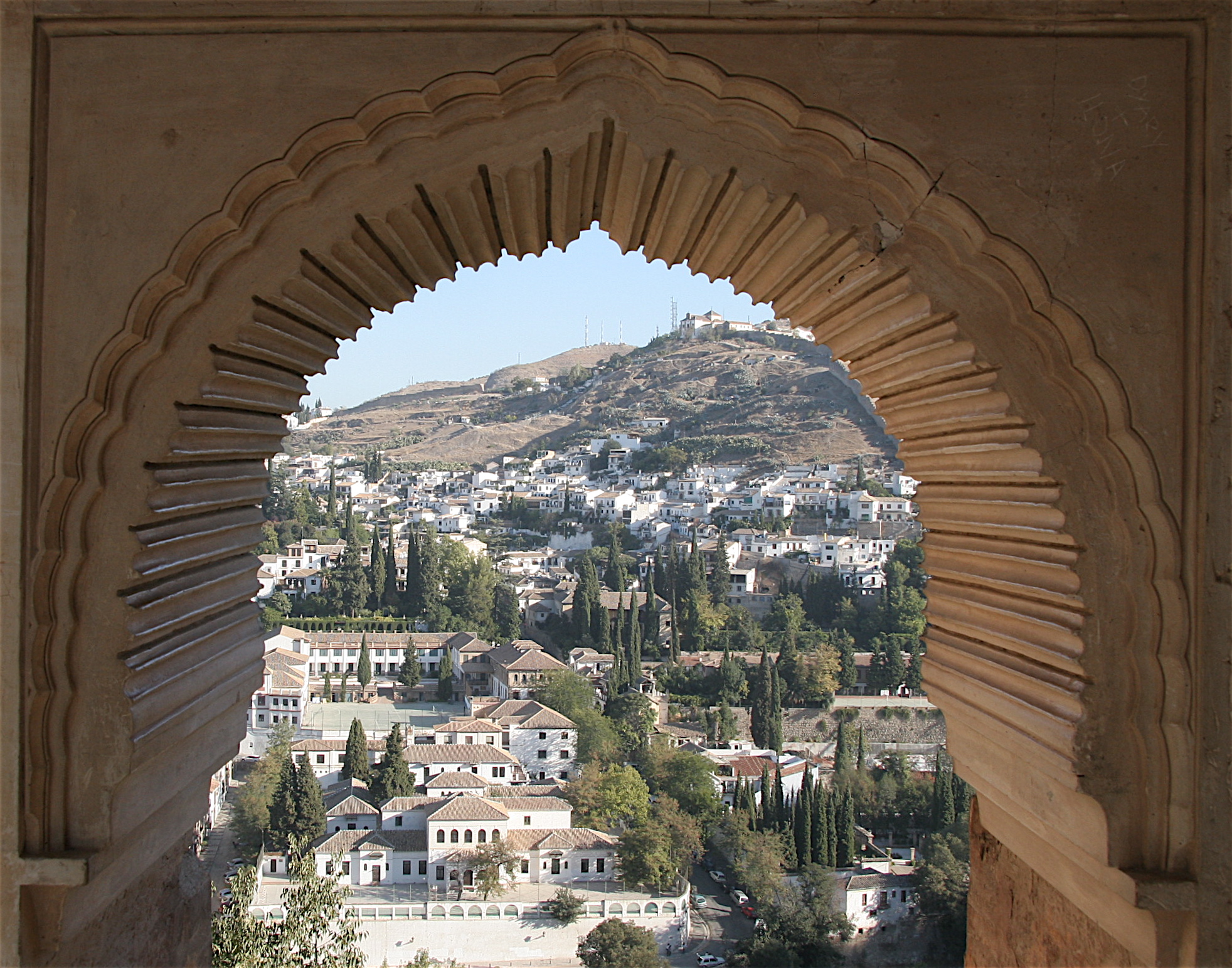
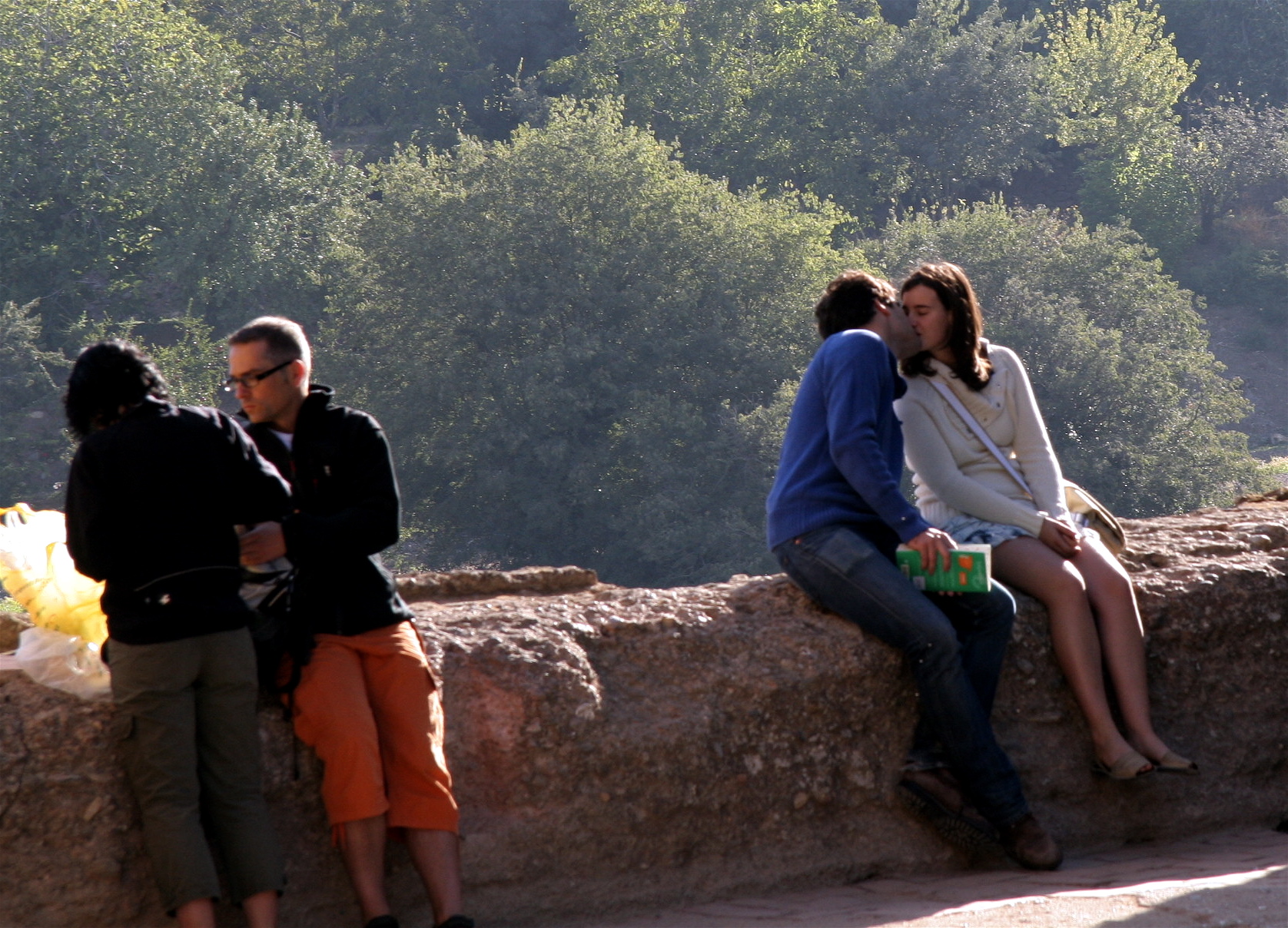
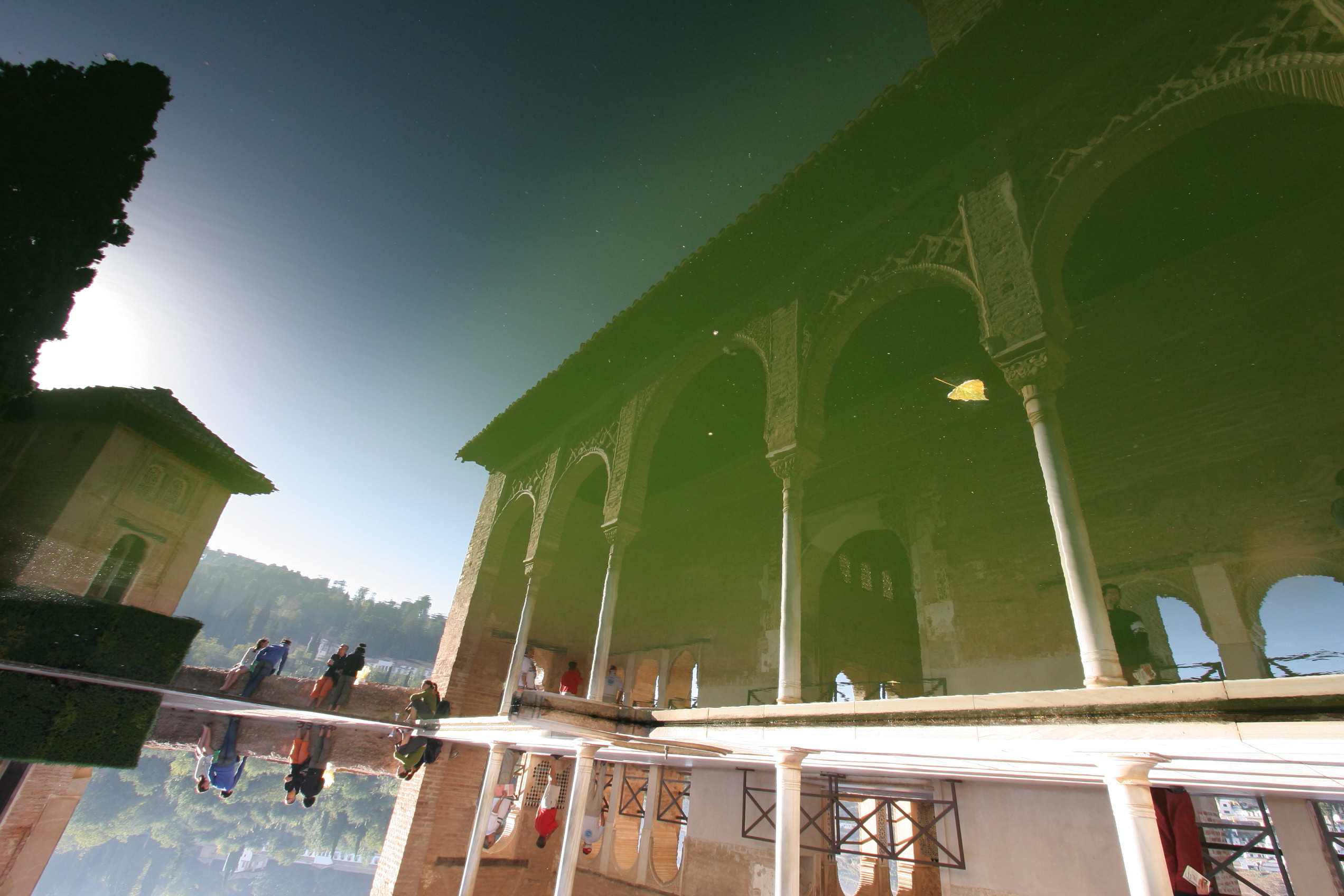
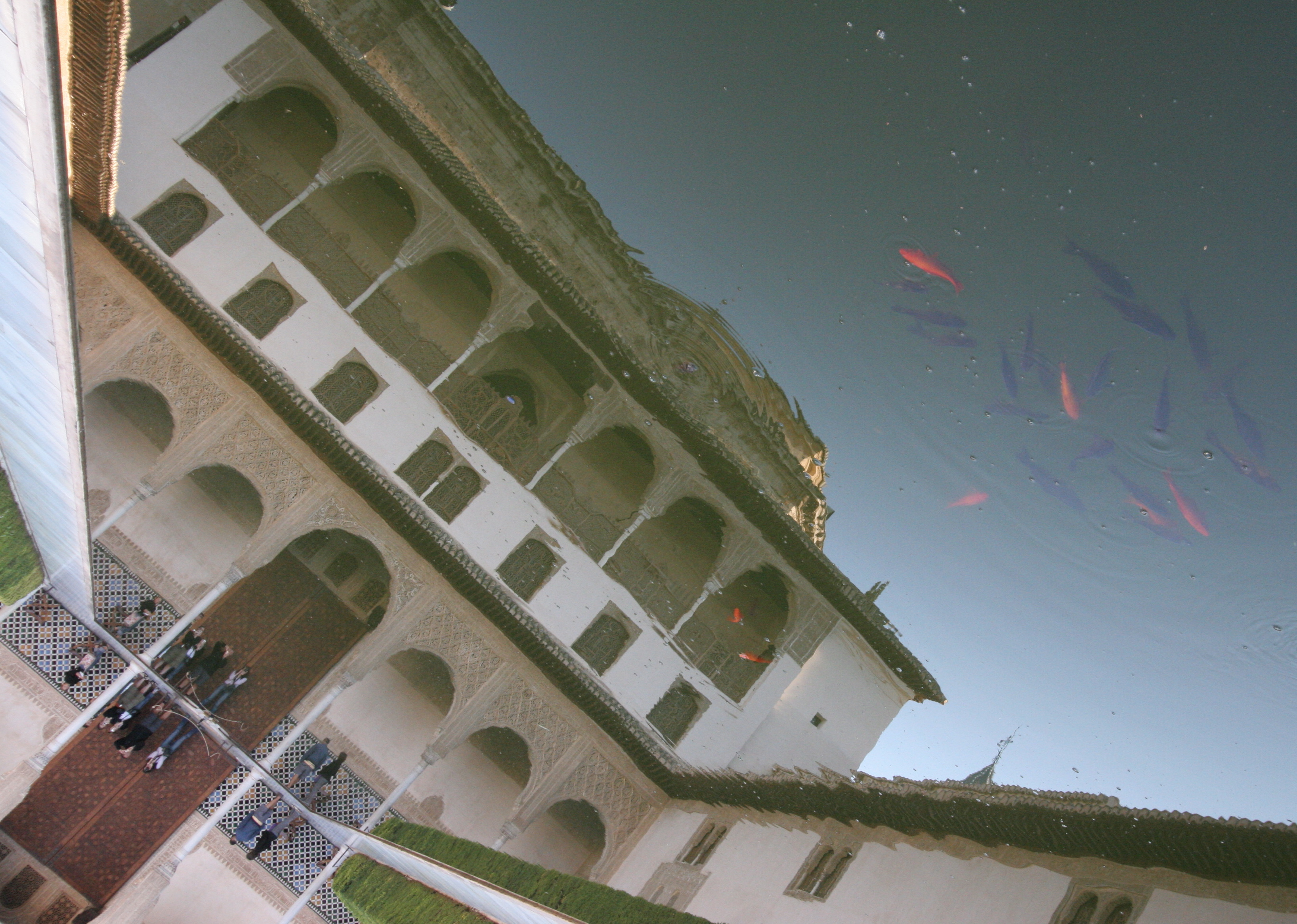 | Here there are a lot of pictures of water, fish, the palace, etc. |
 | |
 | |
 | |
 | |
 | |
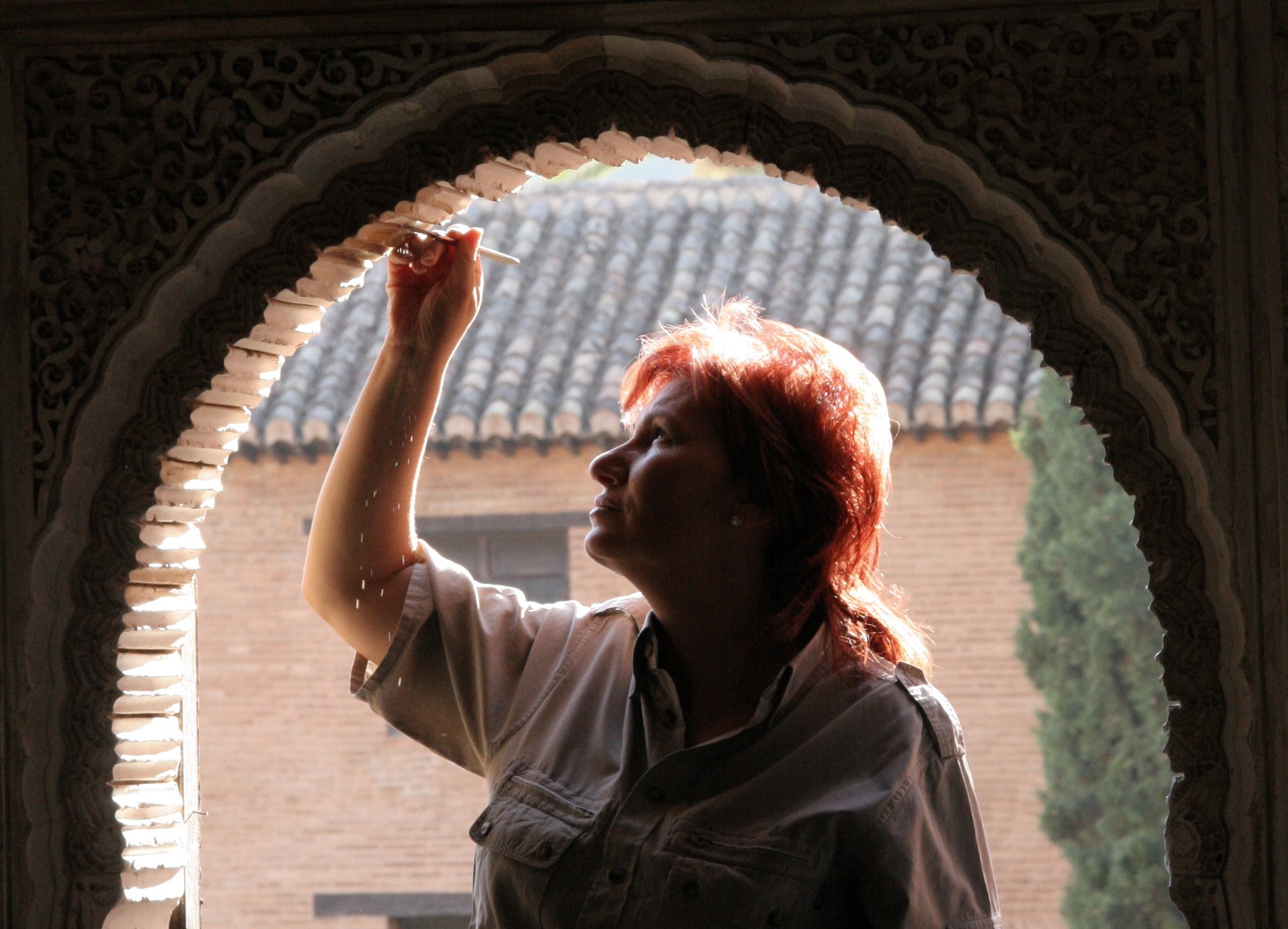 | Check out that restoration work! |
 | |
 | |
 | |
 | |
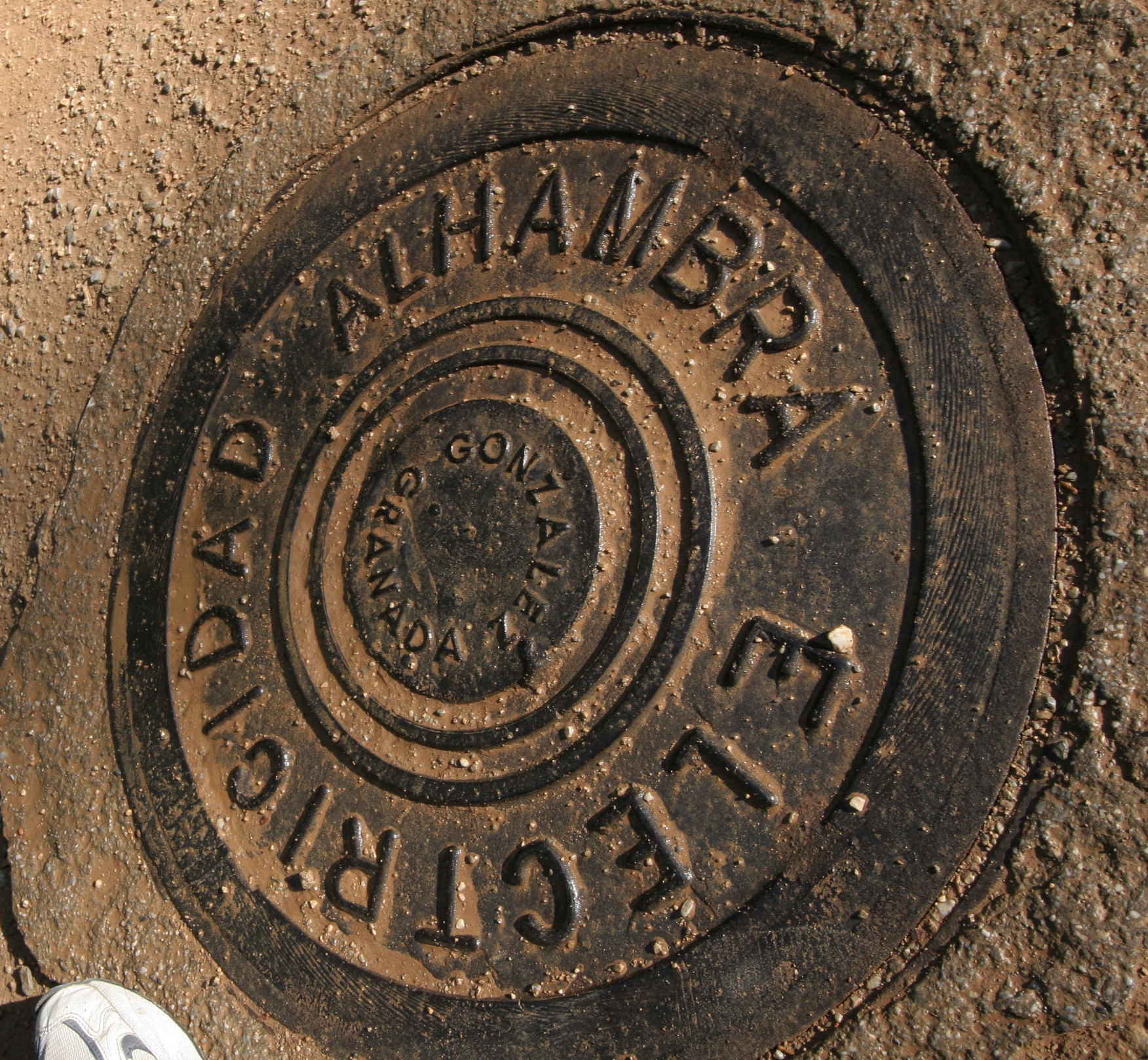 | The Alhambra Electric Co. was founded in 710 AD, just after the original streets were laid. |
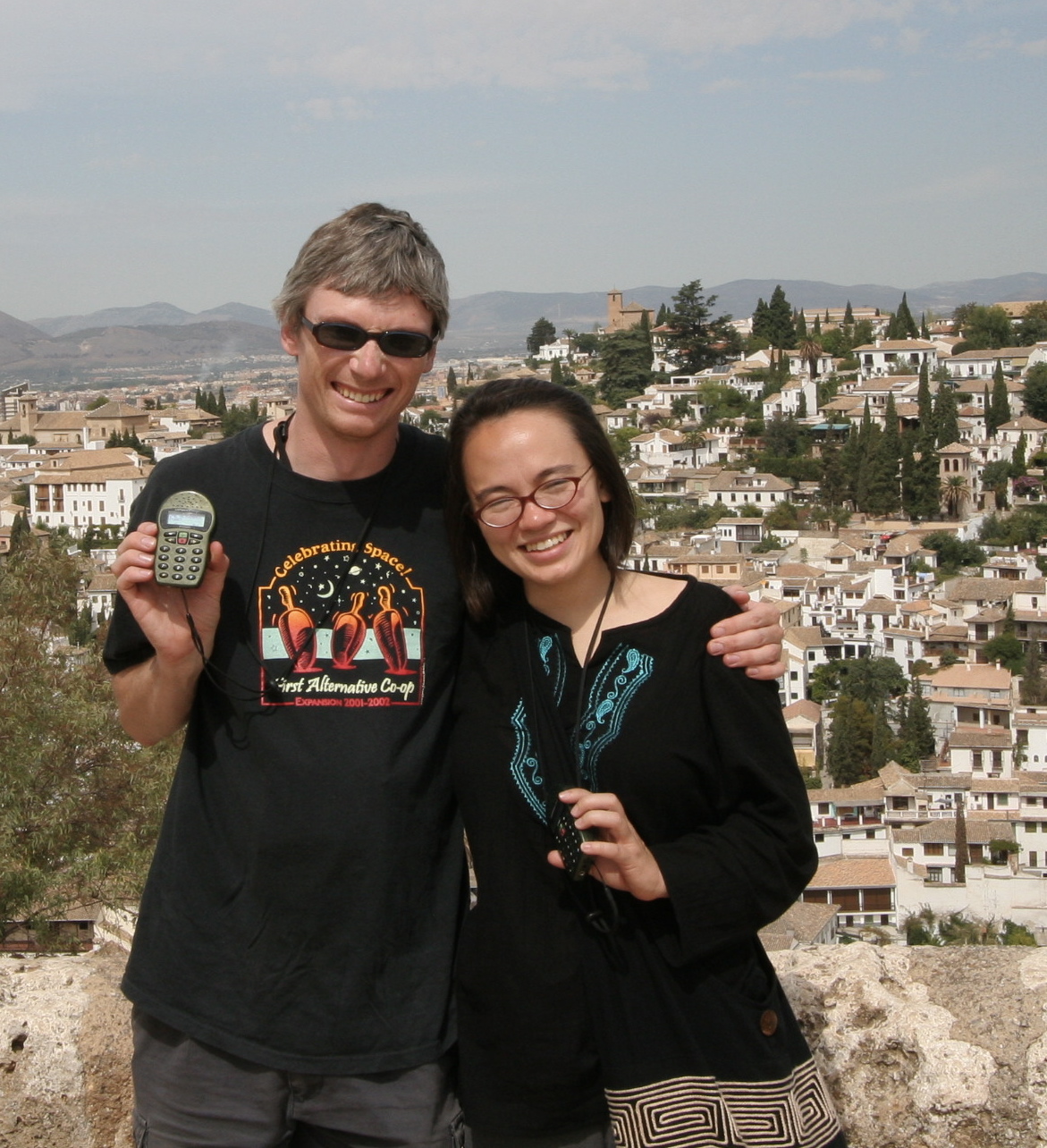 | Maggie and I listen in on electronic devices. They tell us how the Christians `restored balance' to southern Spain after control `fell into their hands' so they could `resume stewardship of the land.' Very nice... |
 | |
 | |
 | |
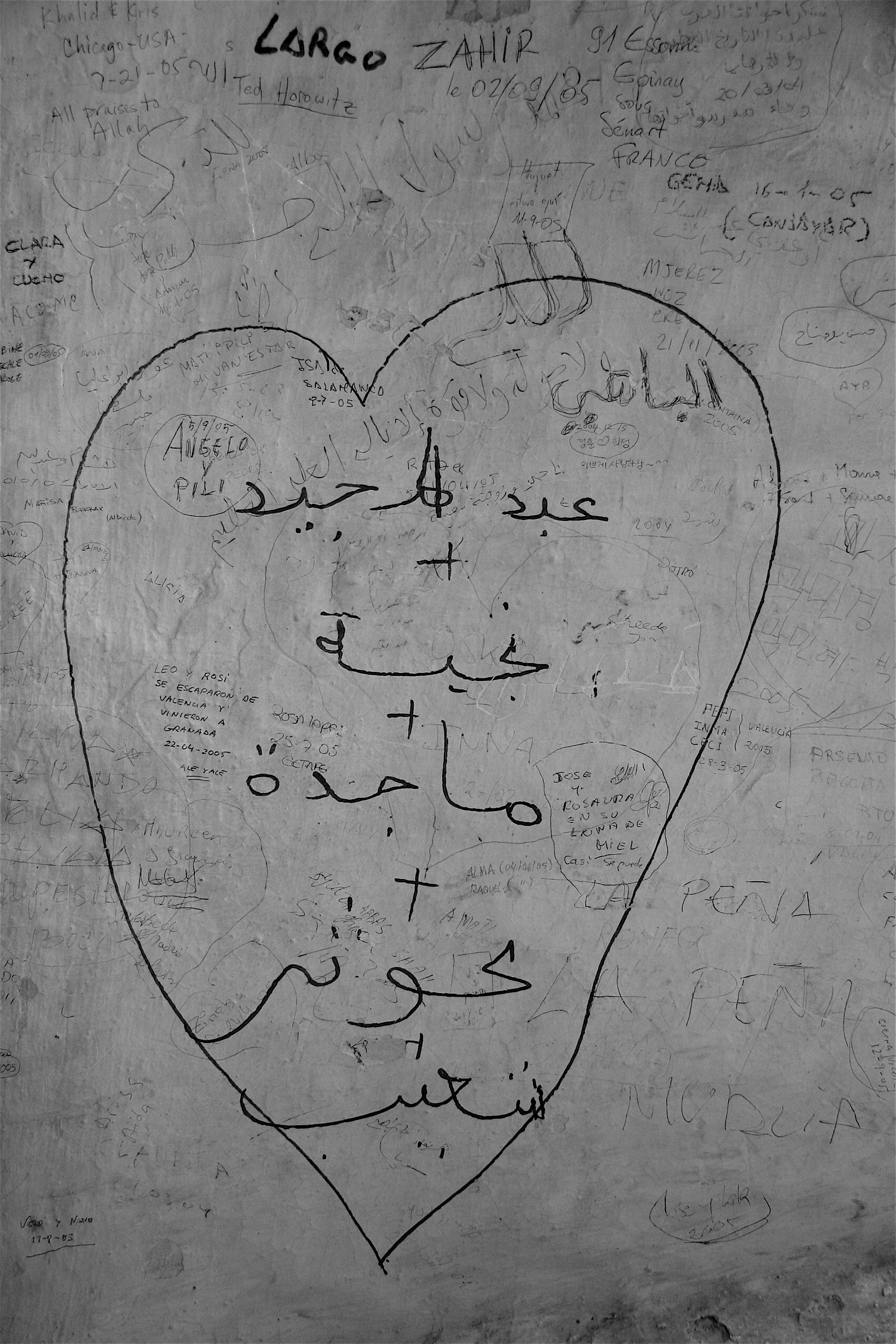 | Modern grafittus. |
 | |
 | |
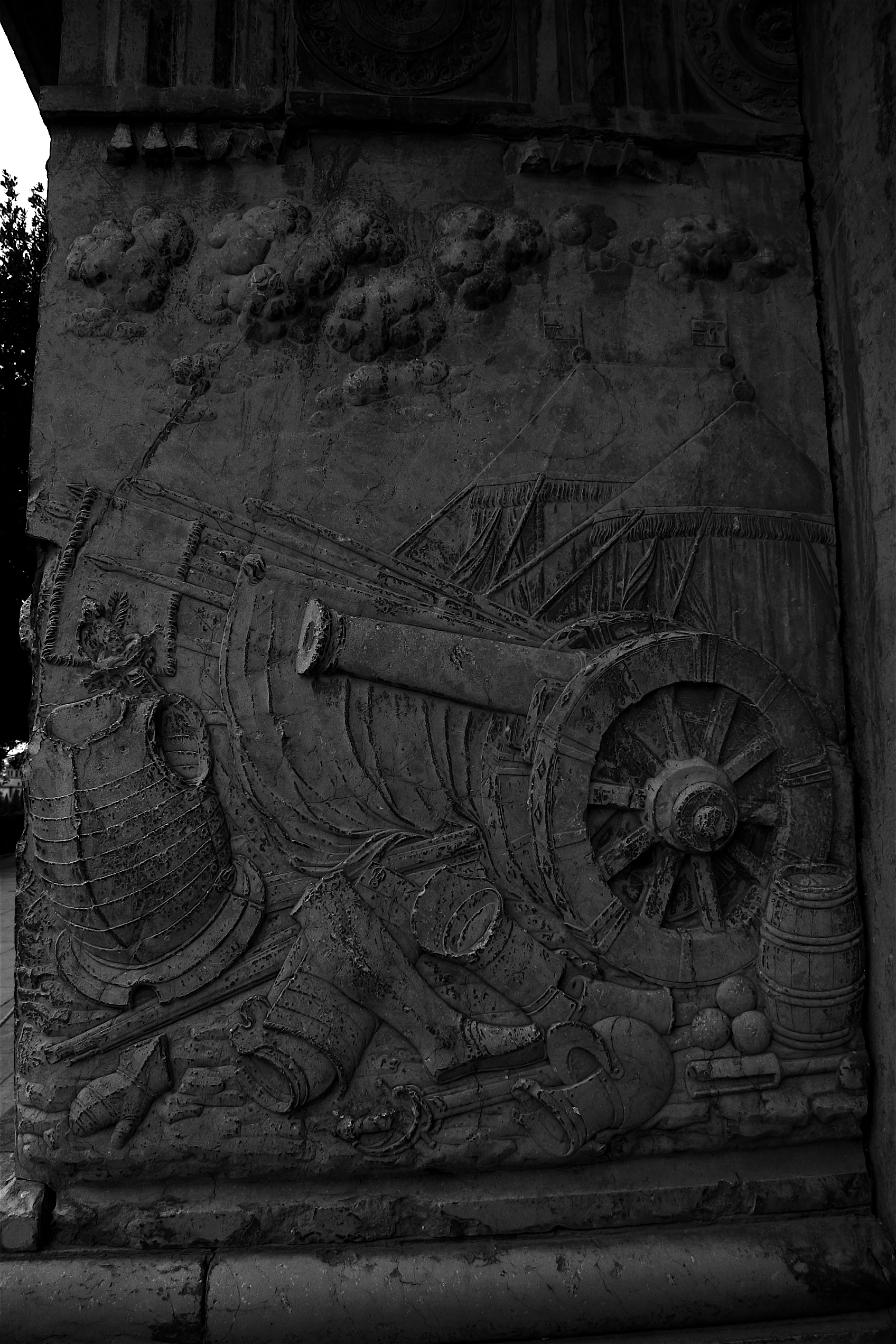 | Quiz: What do you think of this piece? Does it reflect the same architectural, peace-loving style as the Moorish gardens seen earlier? |
 | |
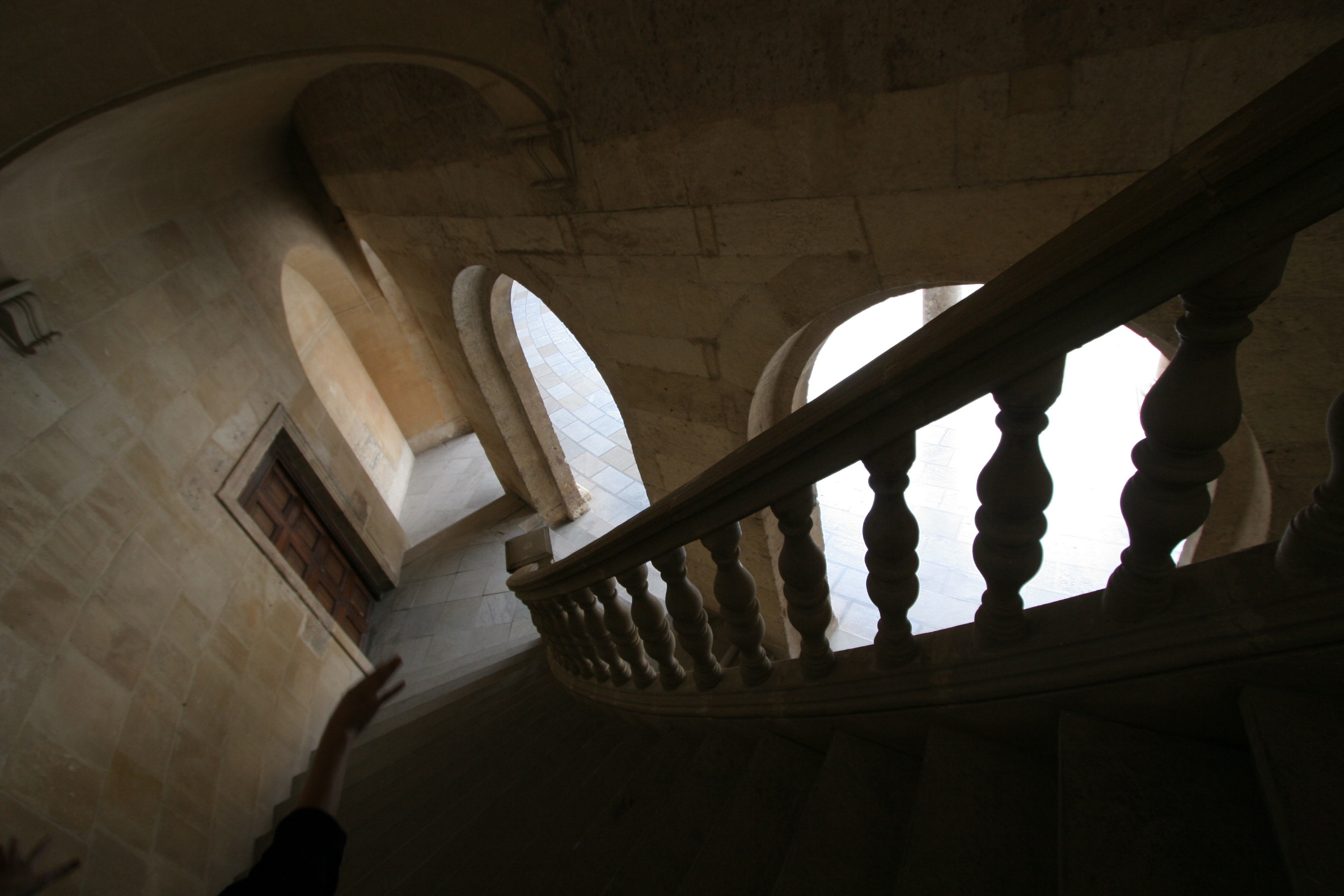 | |
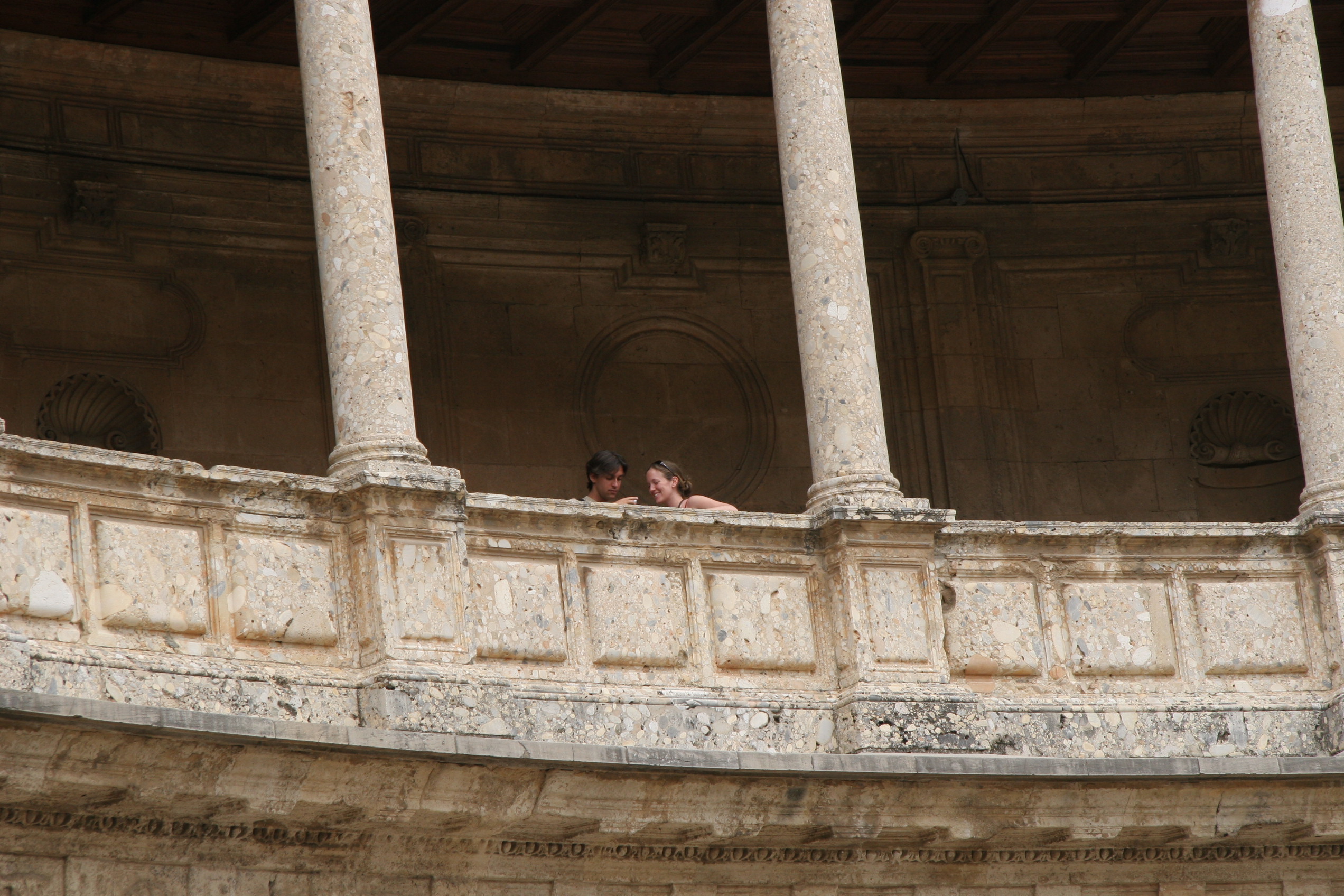
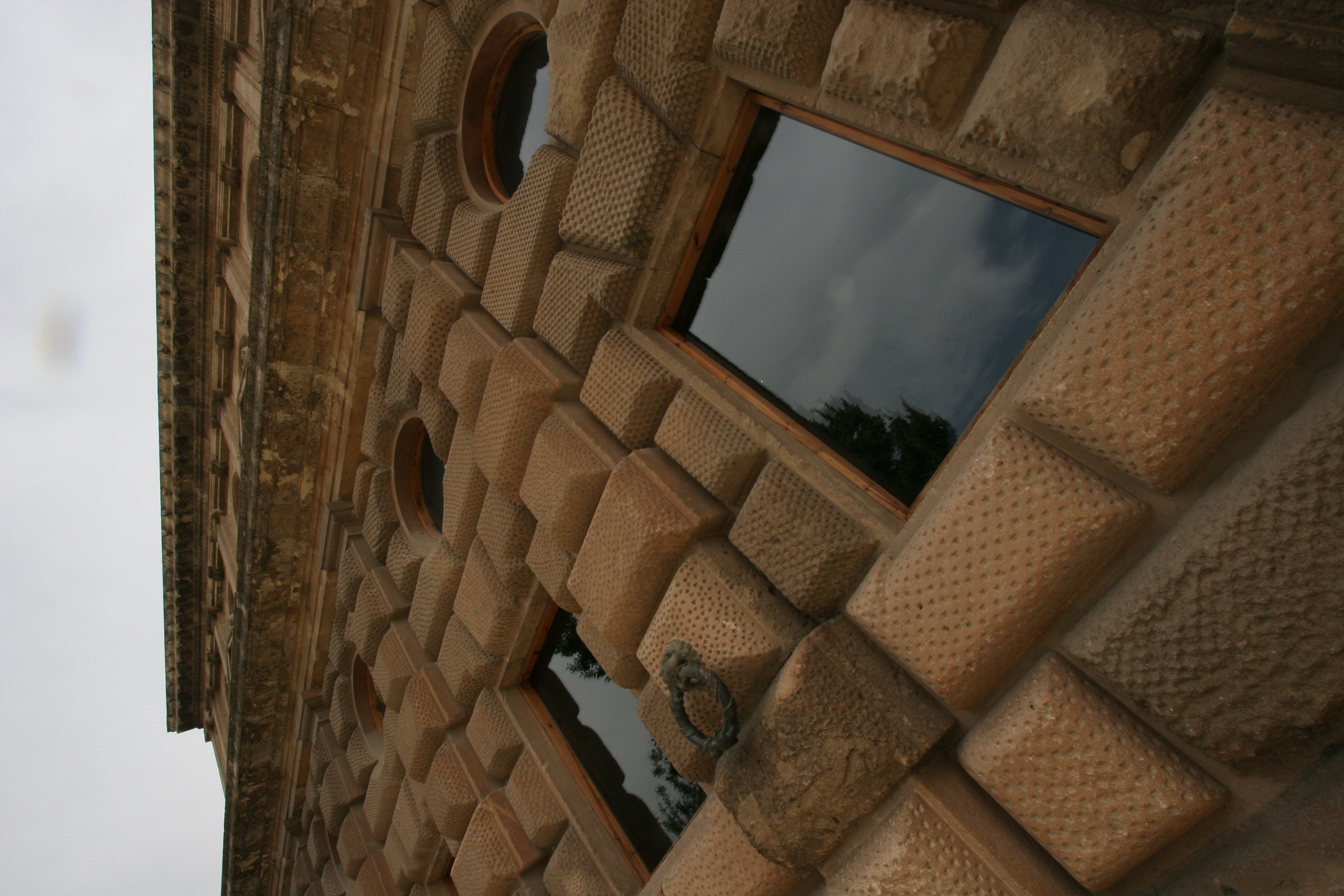 | The palace of King Charles V, the most obvious one responsible for change in architectural style. |
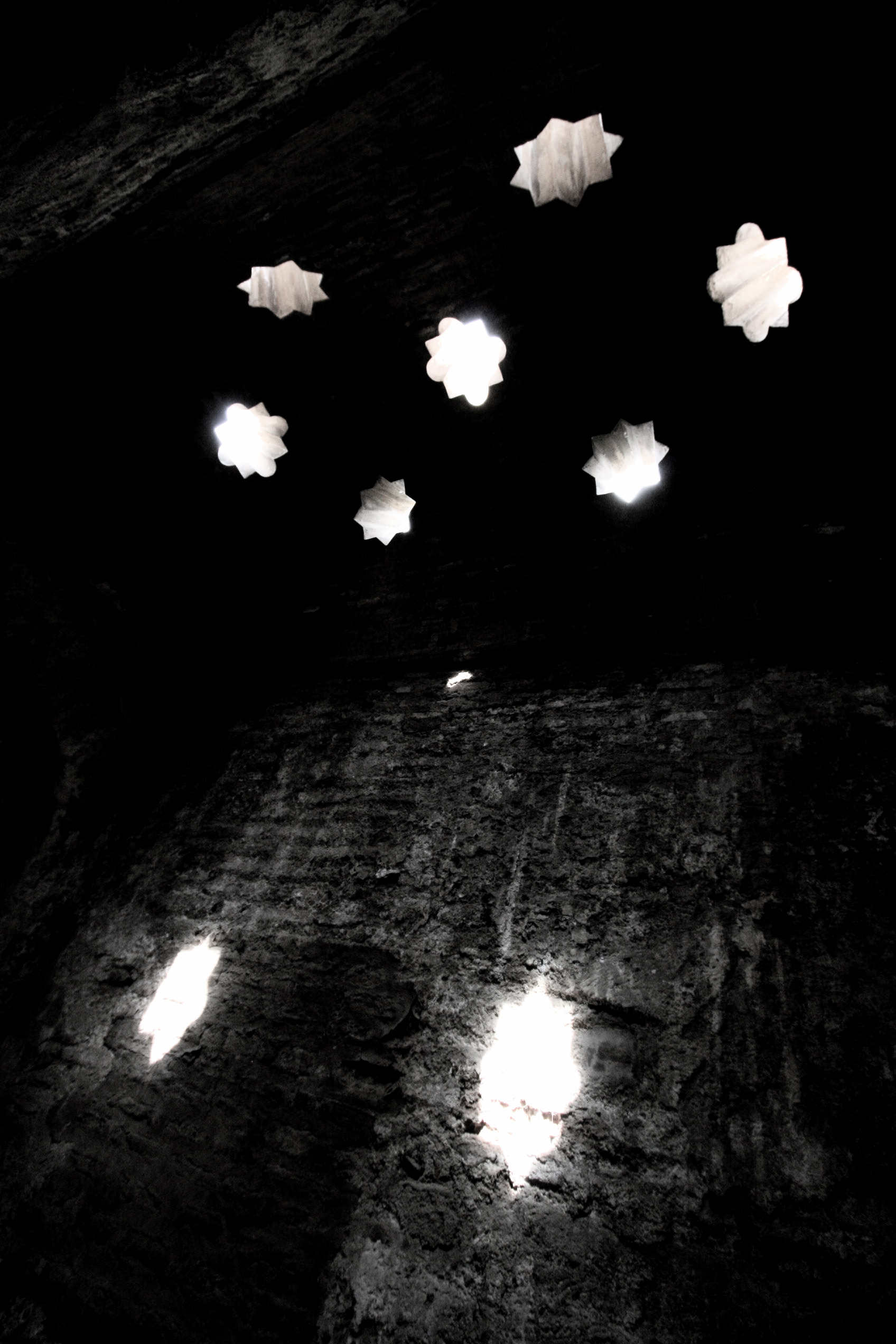 | Baths from below... |
 | |
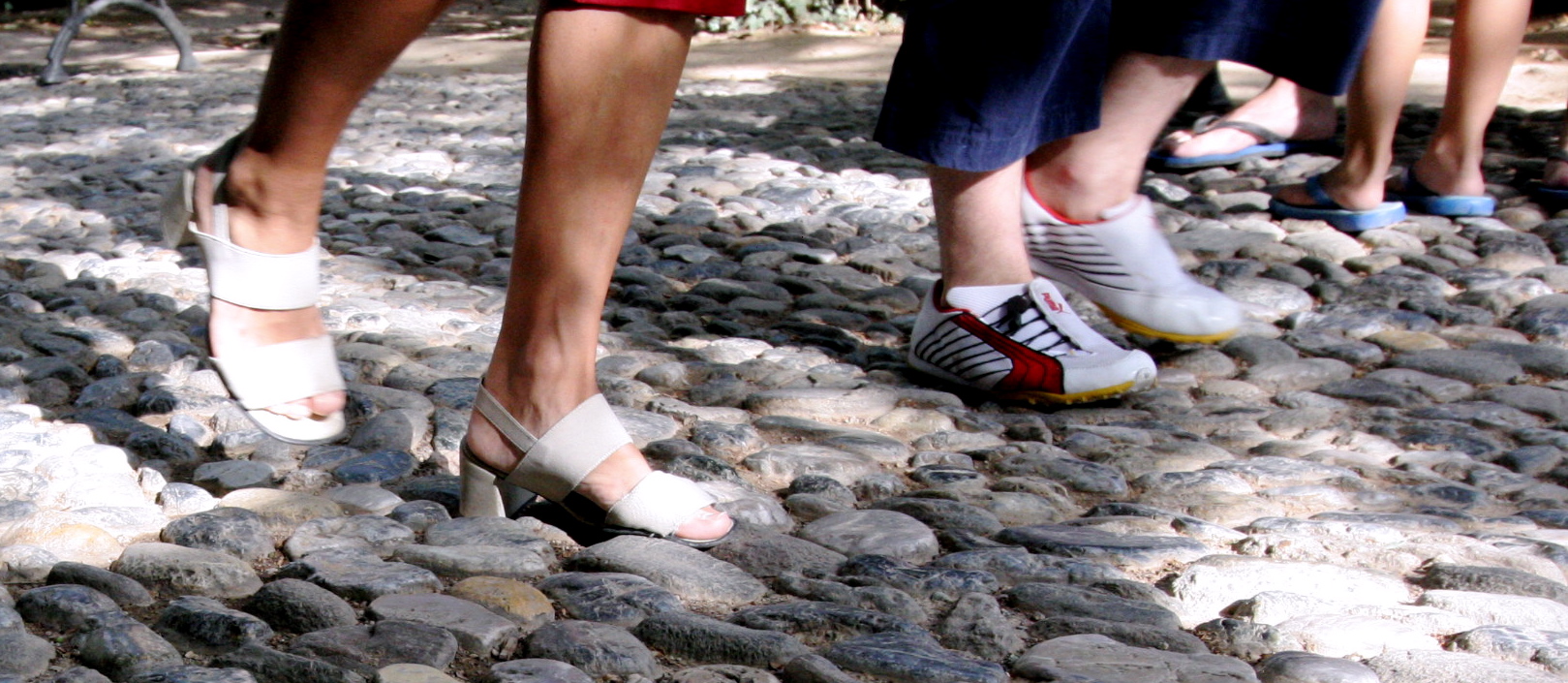
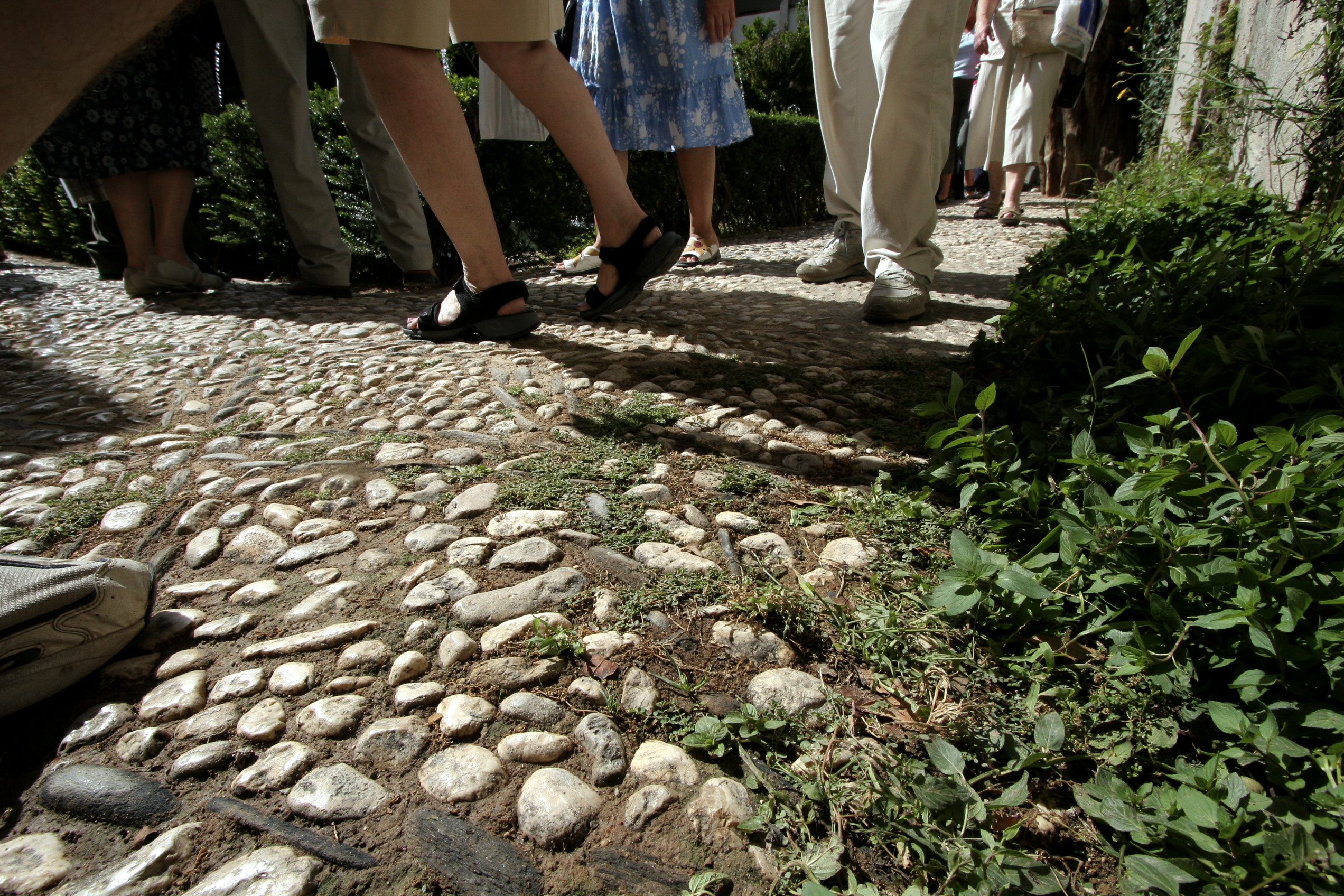
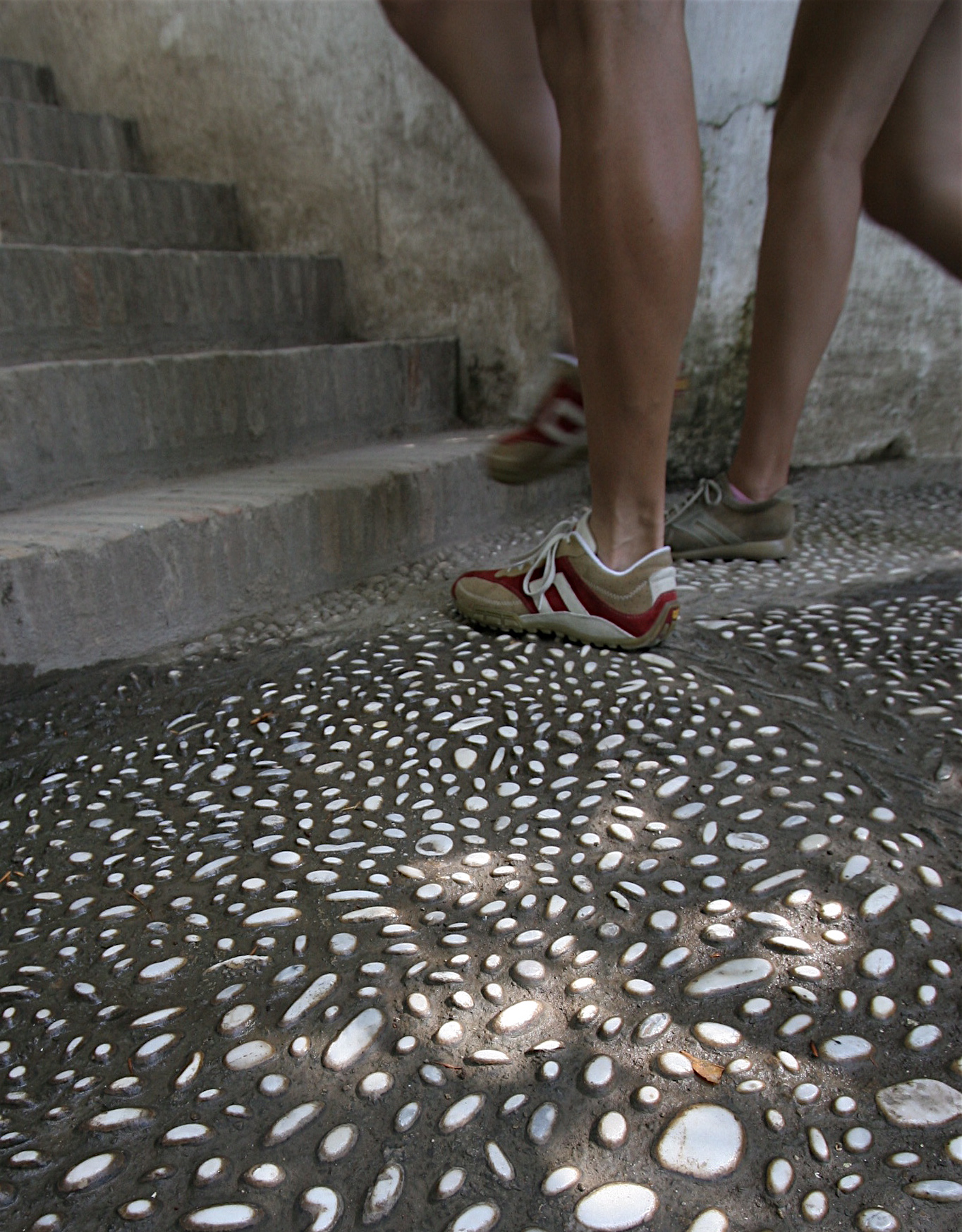 | I experience a foot fetish. |
 | |
 | |
 | |
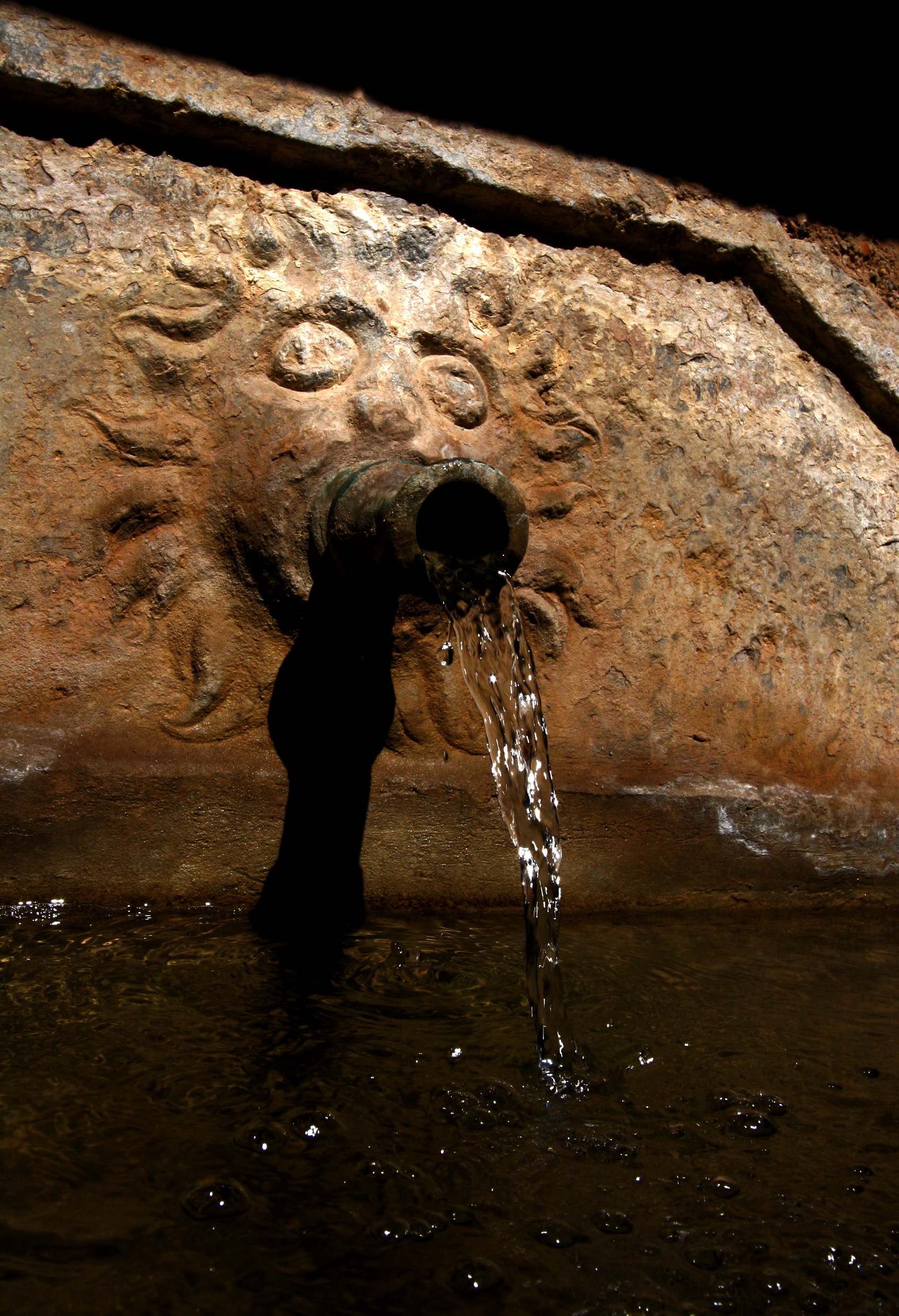
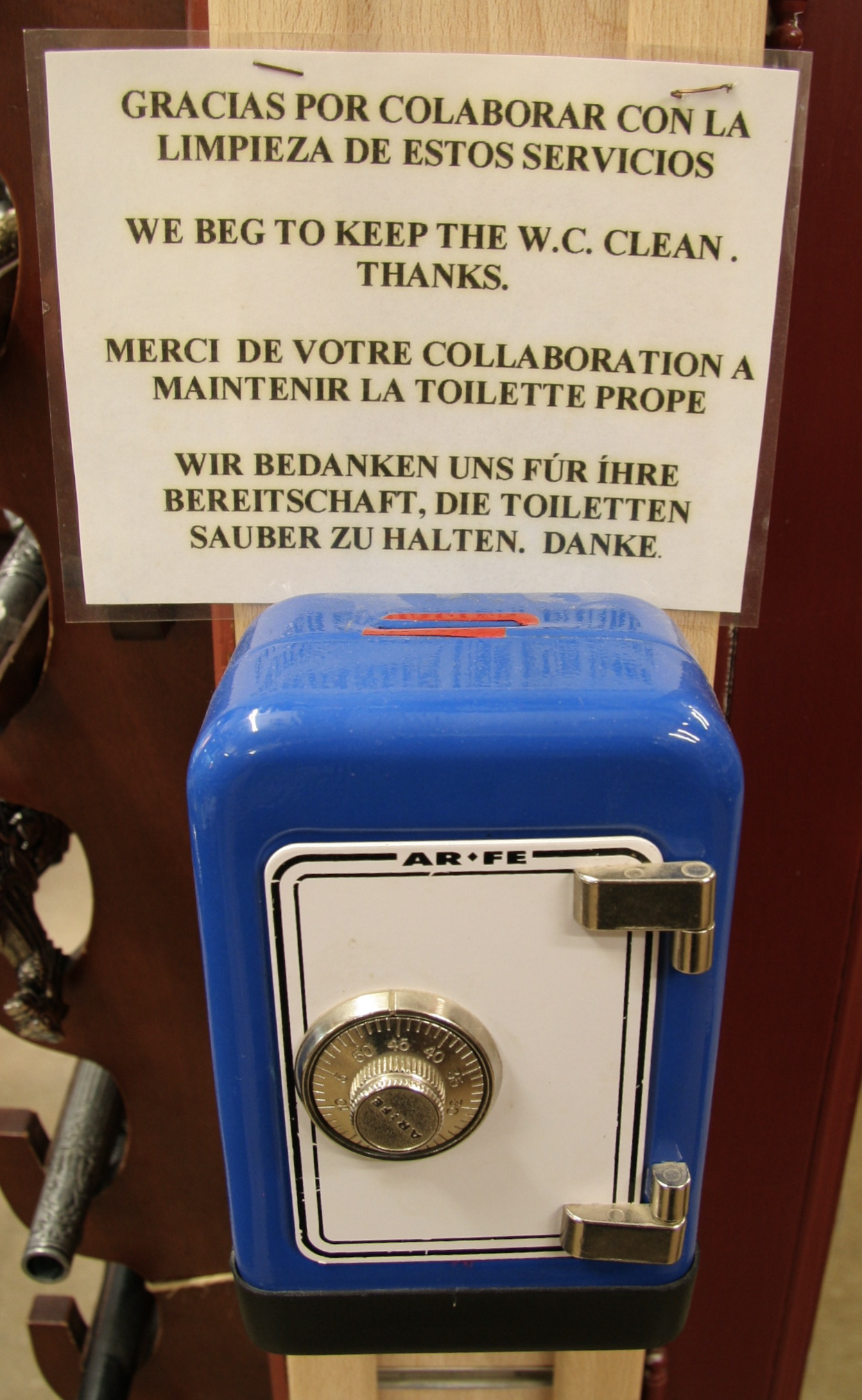 | In Spain, cleanliness is taken seriously. |
 | |
 | |
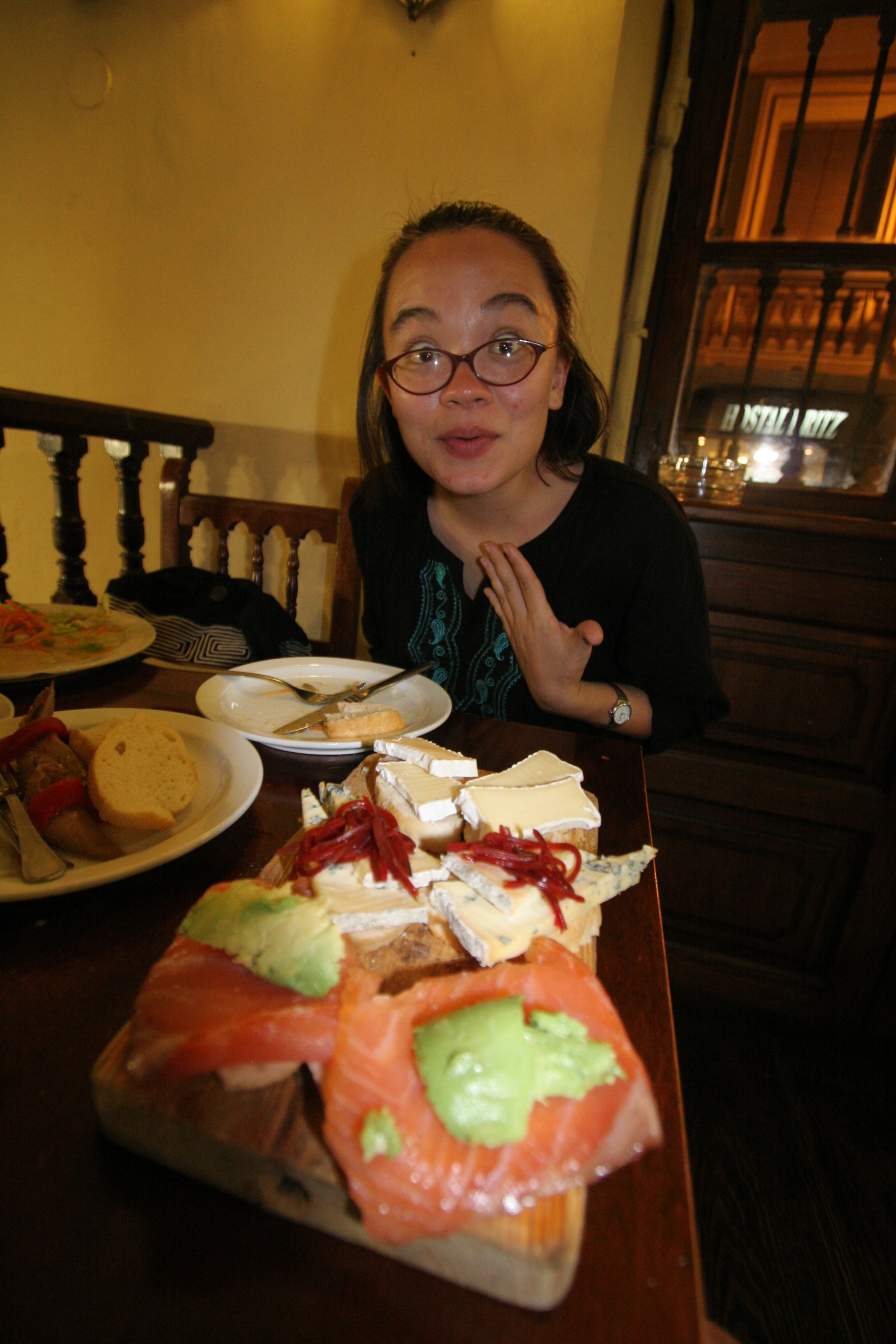 | Tapas. |
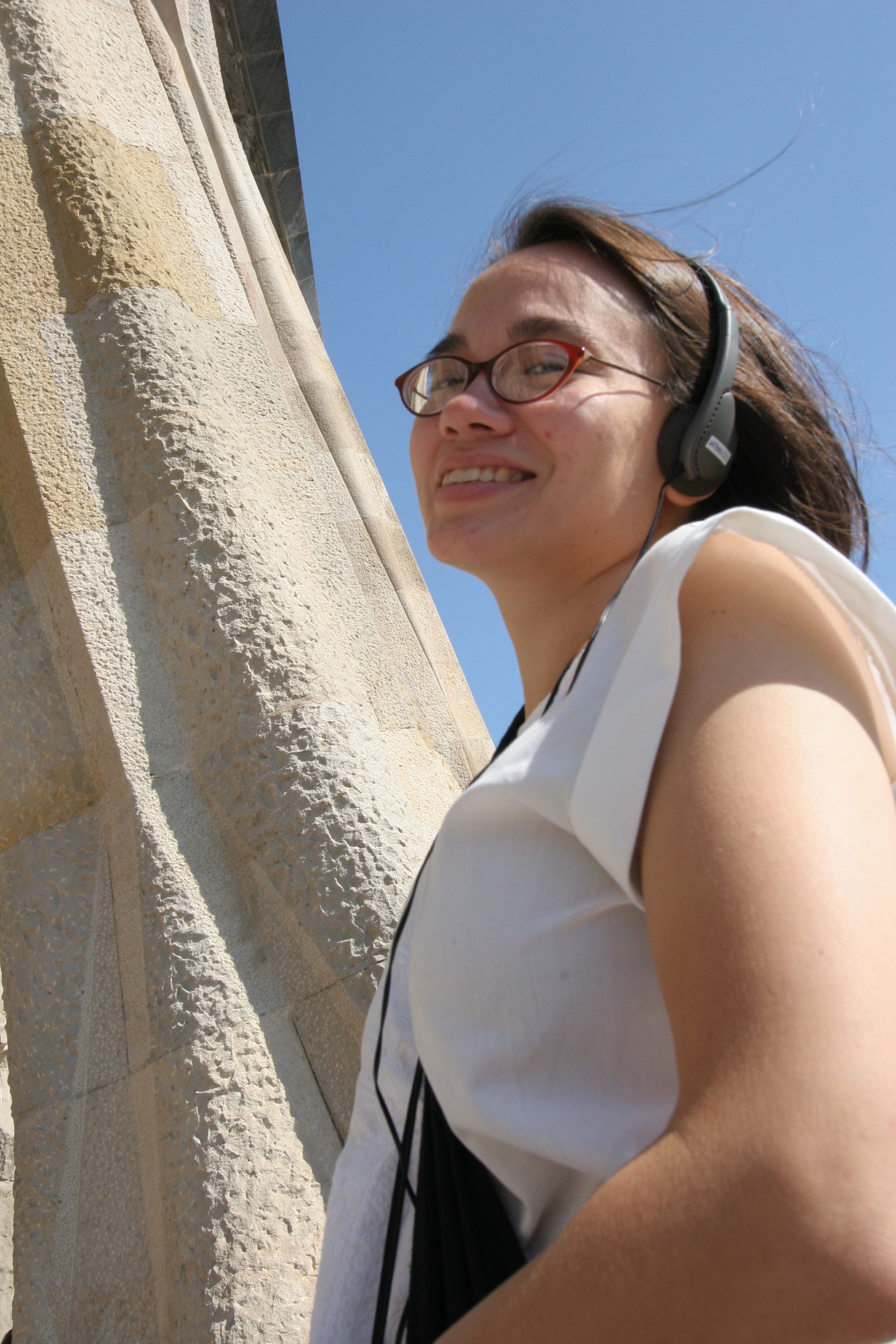 | We have left Granada. We gave up on the train, but in a treasured moment of logistical success, we were able to buy a pair of tickets on the overnight bus to Barcelona. It was 14 pleasant hours through the fields of oranges and limes. I was leaving the next morning, so we hit exactly one sight in Barcelona: the Gaudi cathedral (La Sagrada Familia). |
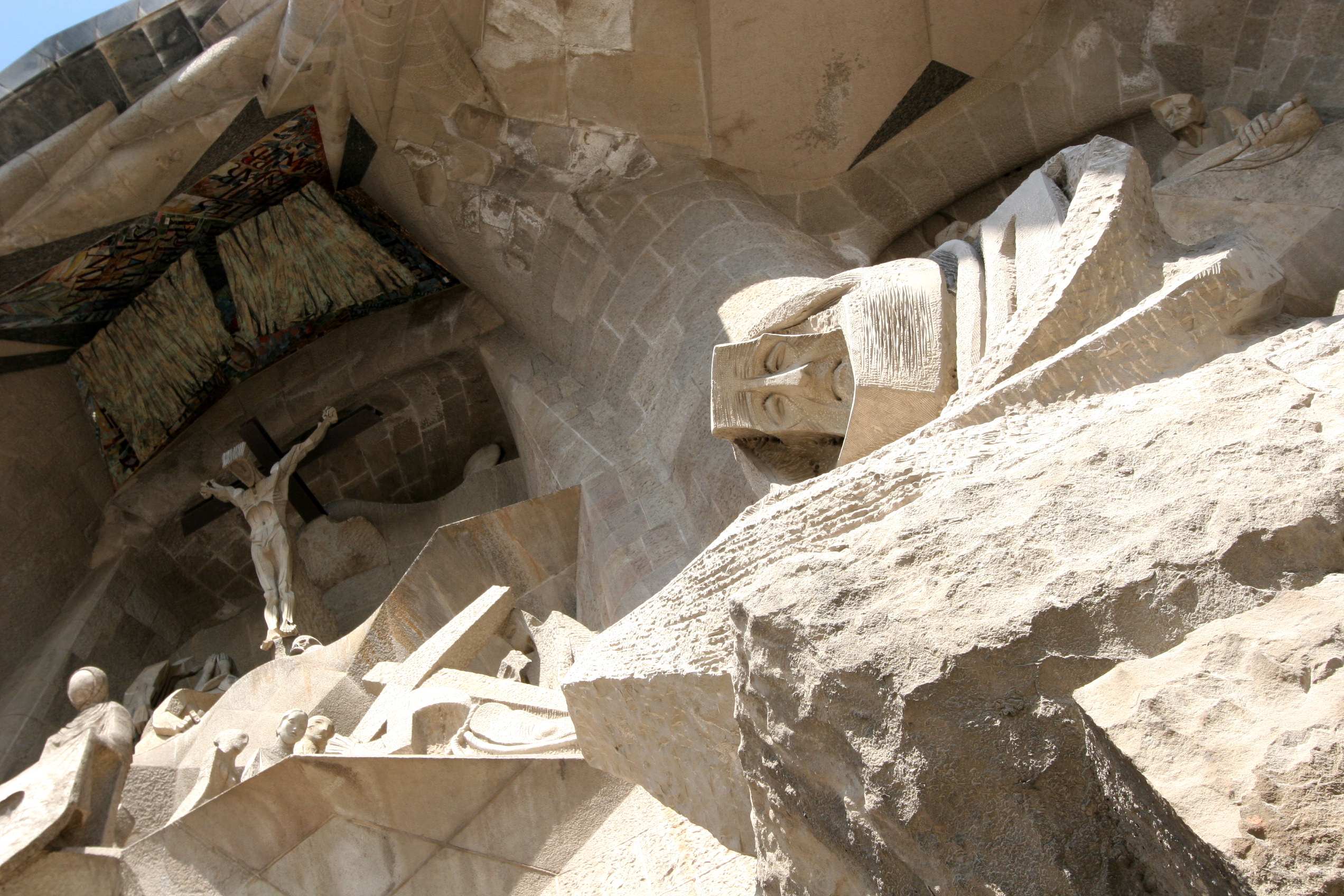 | Check out those Jesi! |
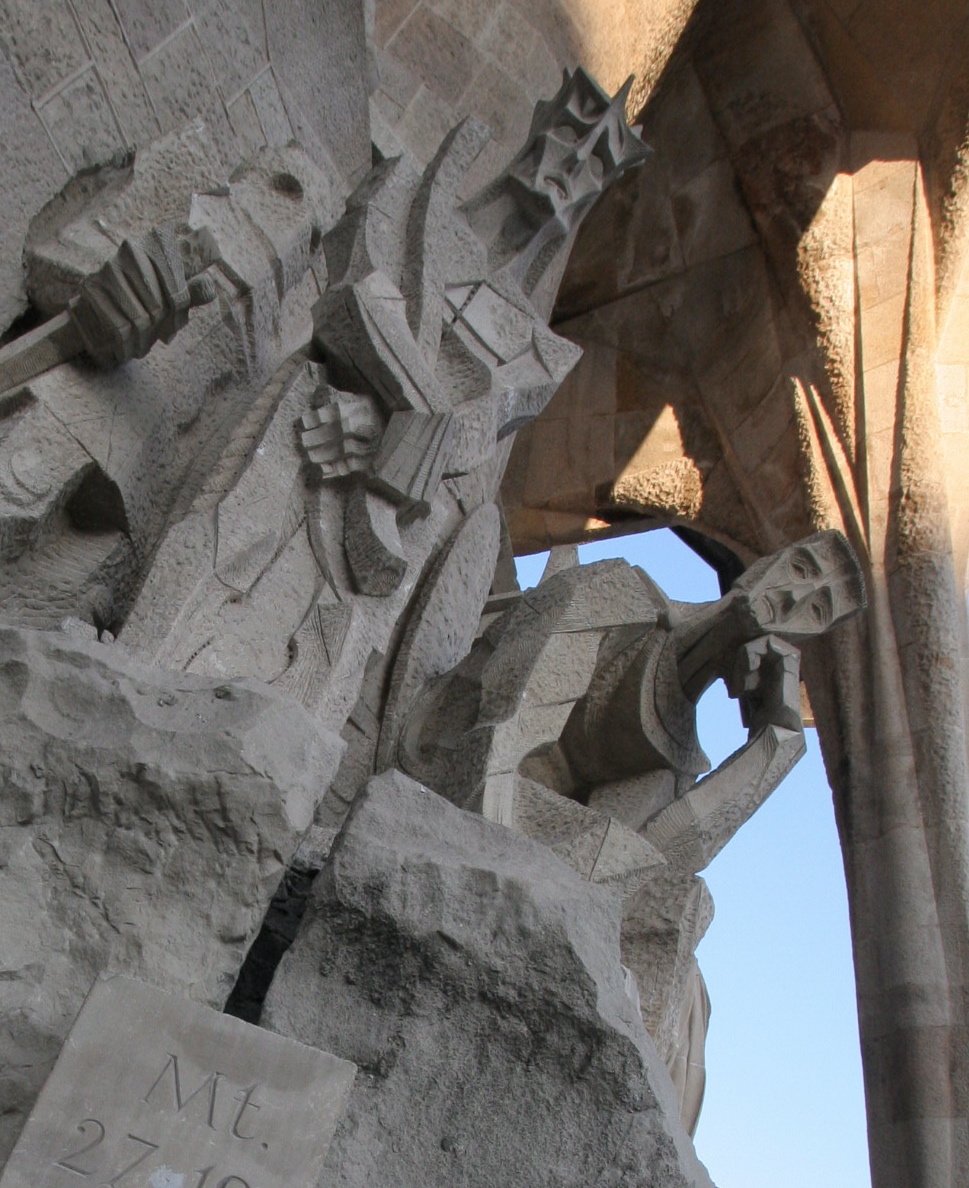 | Check out those kings! This is the Passion side of the building, designed by
someone else after Gaudi was killed 40 years into it.
The building was started in the 1880's, and is perhaps halfway done now, although construction is going on at a rapid clip. Another 50 years? It really is an incredible place: nothing like any other cathedral. We as heathens happily paid our 10 Euros to the Church to get in and admire the handiwork and climb the staircases to become closer to God -- which is apparently exactly what Gaudi had in mind. |
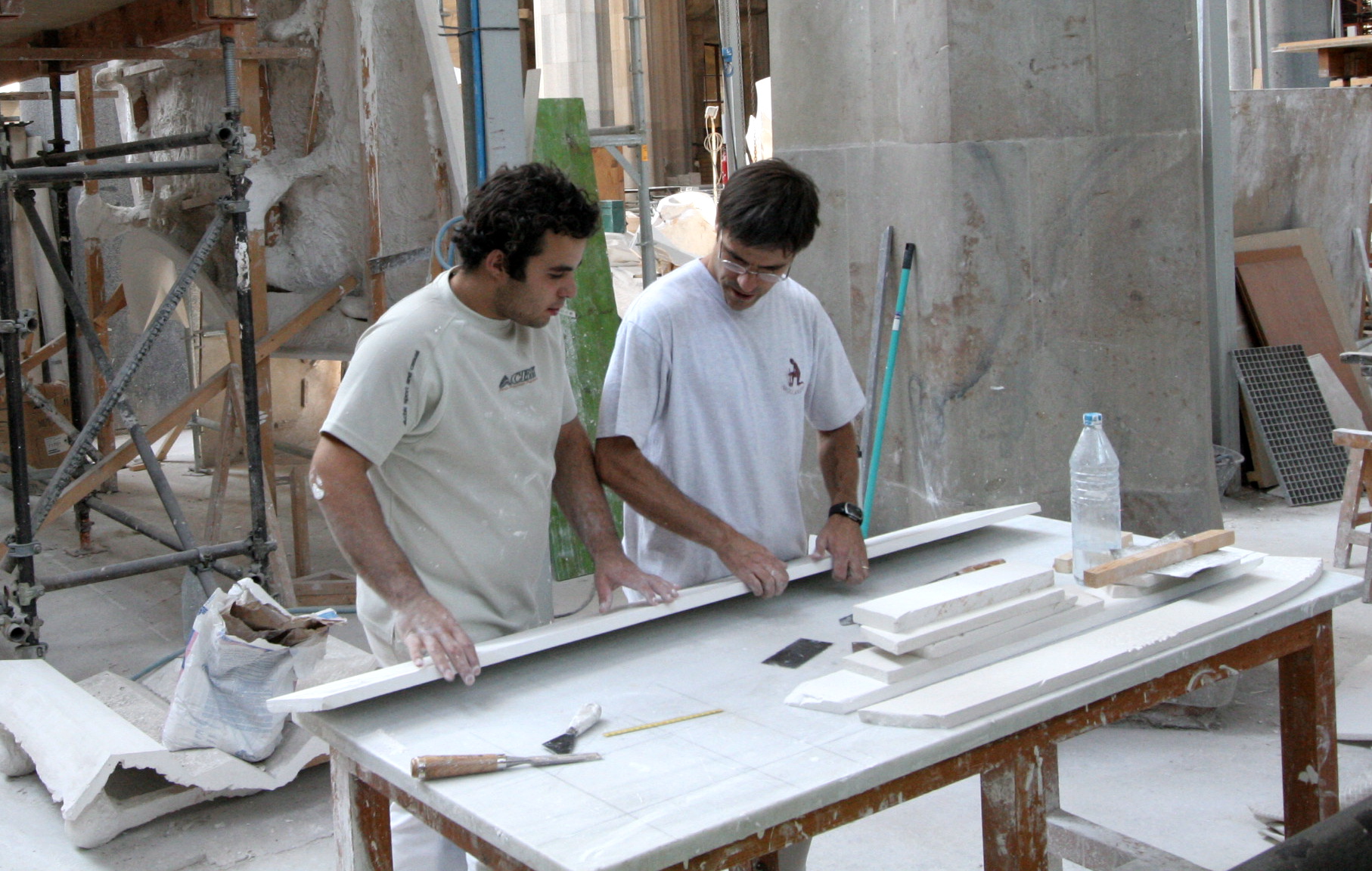
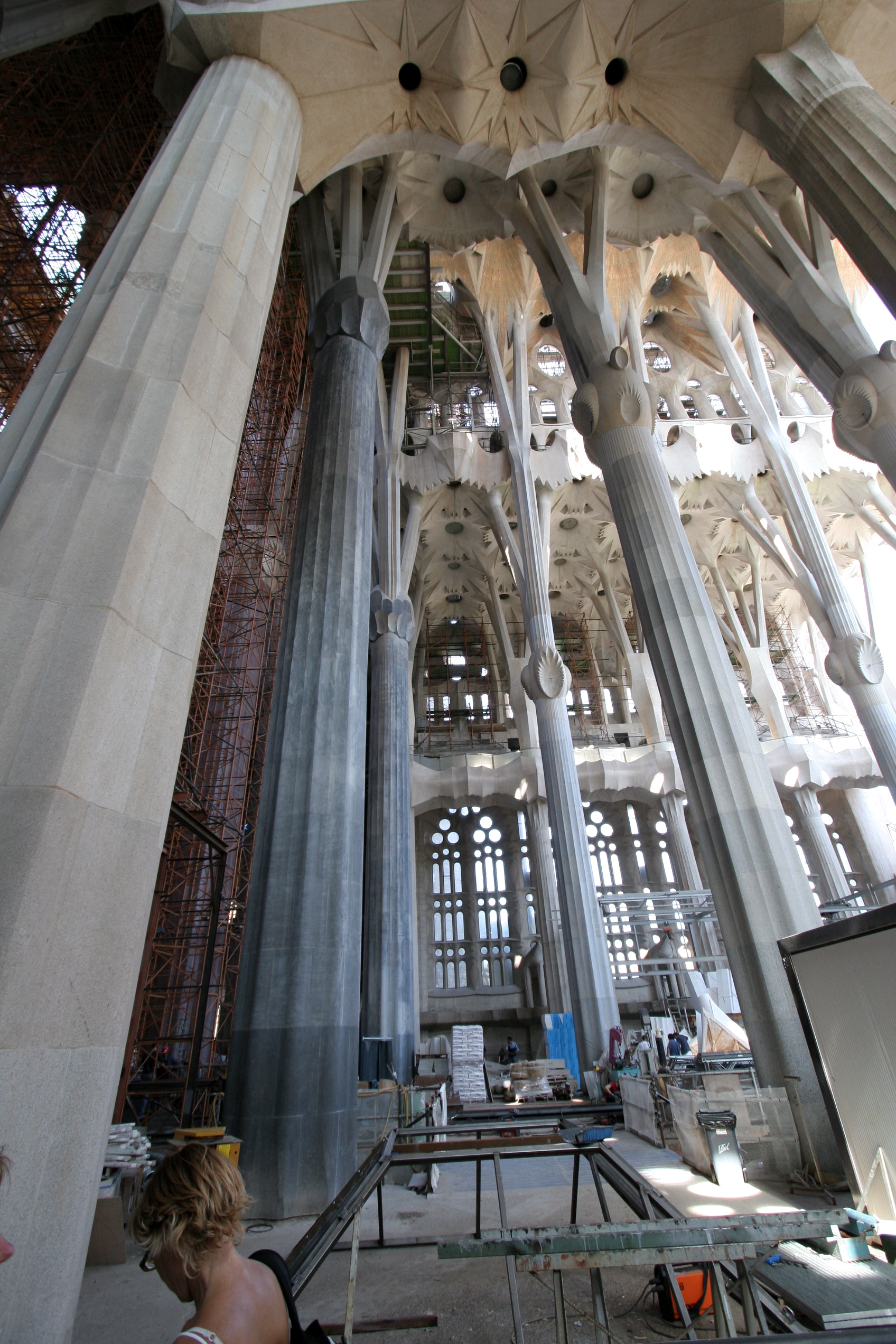 | Check out those columns! Modeled after trees: they've got roots, they taper and spiral, and then they split up into 2, 4, 8, 16 pillars up top in the canopy. |
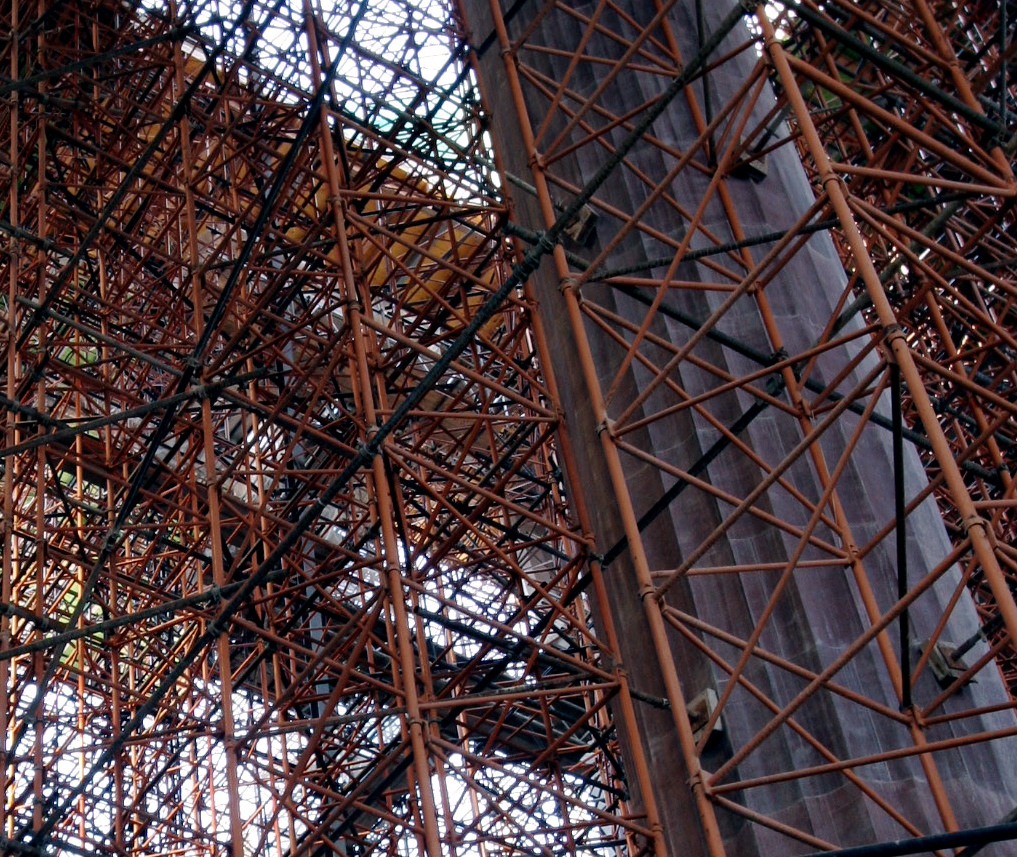 | Scaffolding holds up the trees until they are ready to support themselves. |
 | |
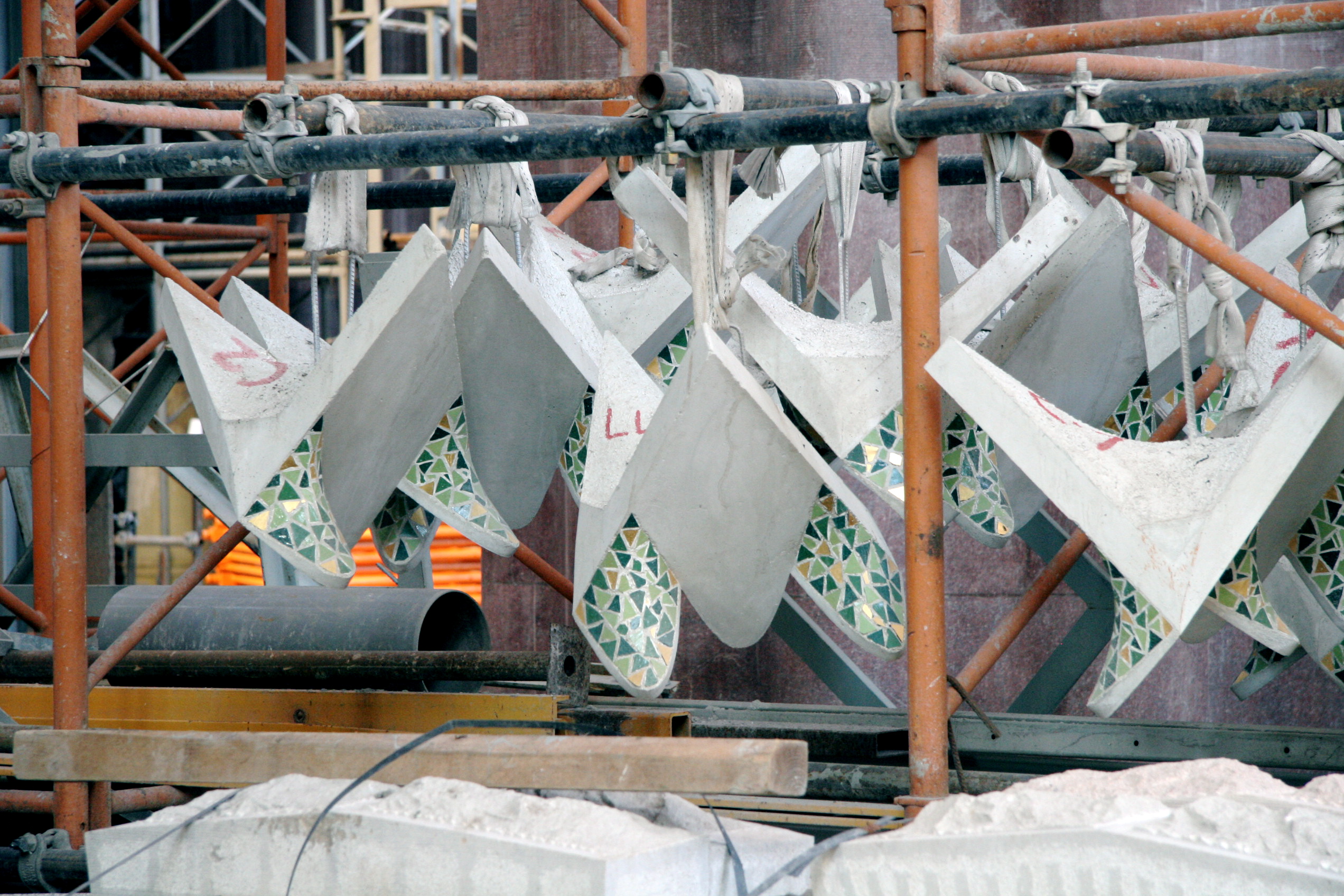 | Various parts of the leafy canopy await planting. |
 | |
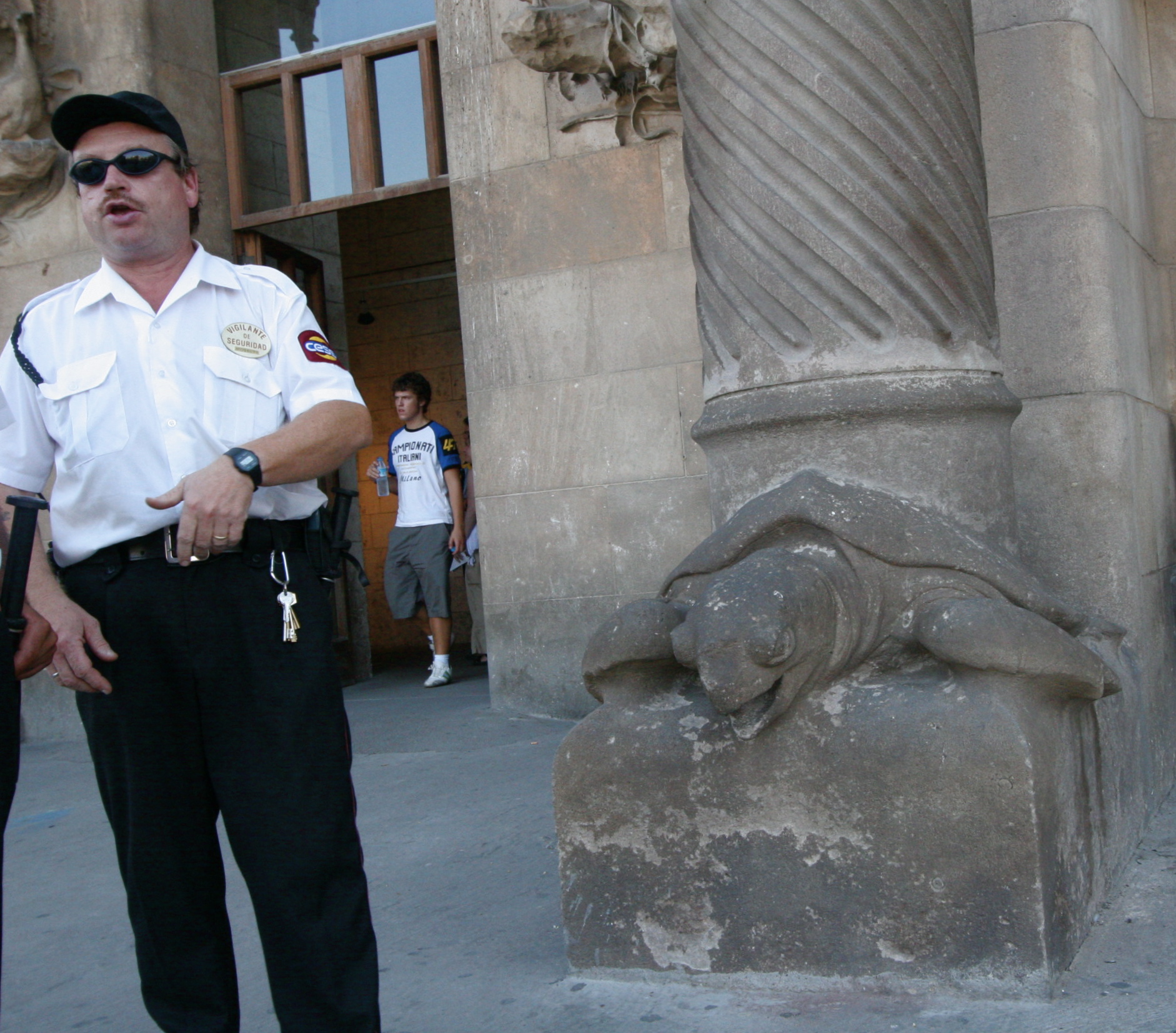 | Cops guard the turtles from escaping. It's turtles all the way down... |
 | |
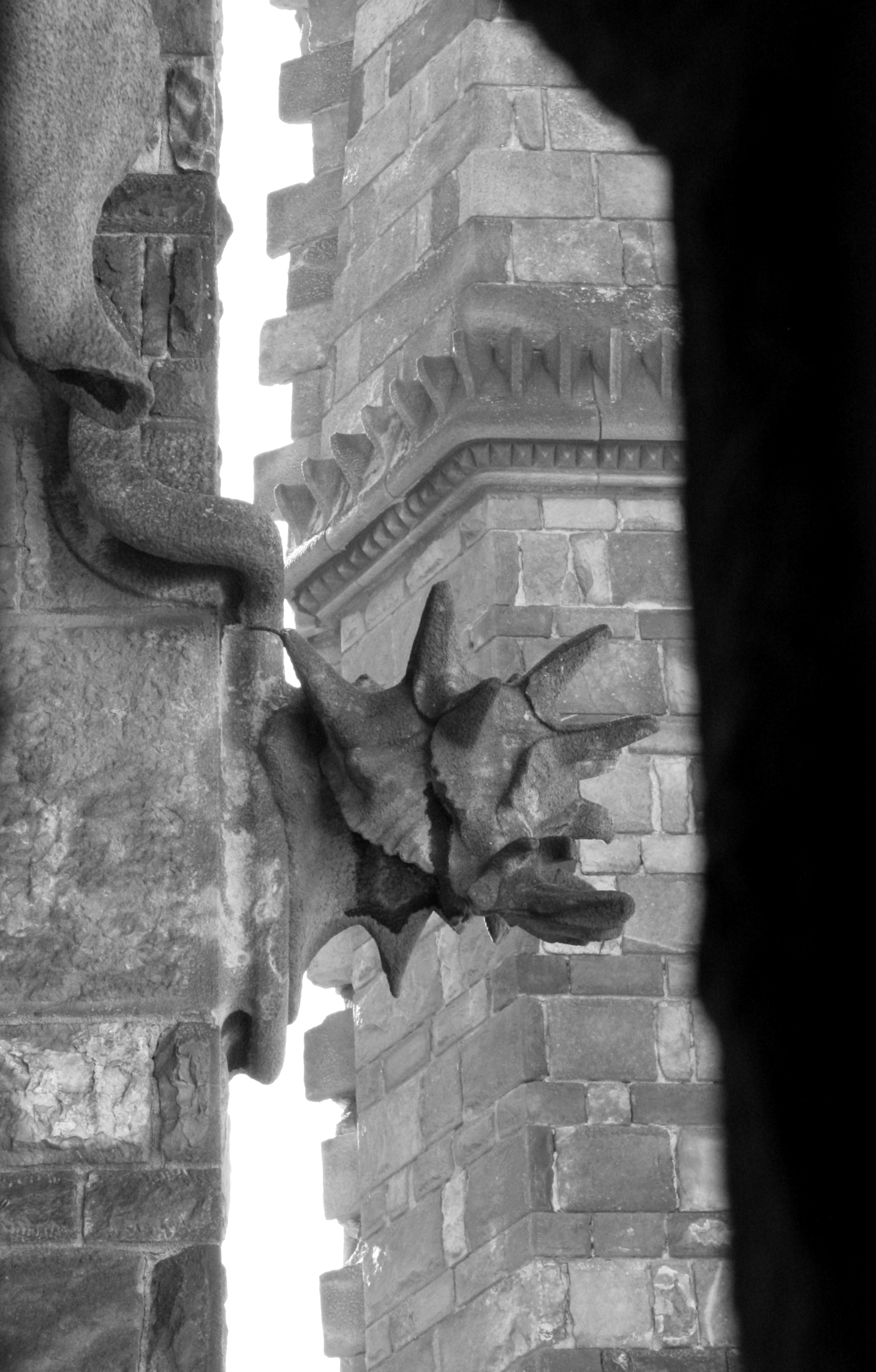 | One cannot bonk the conch. |
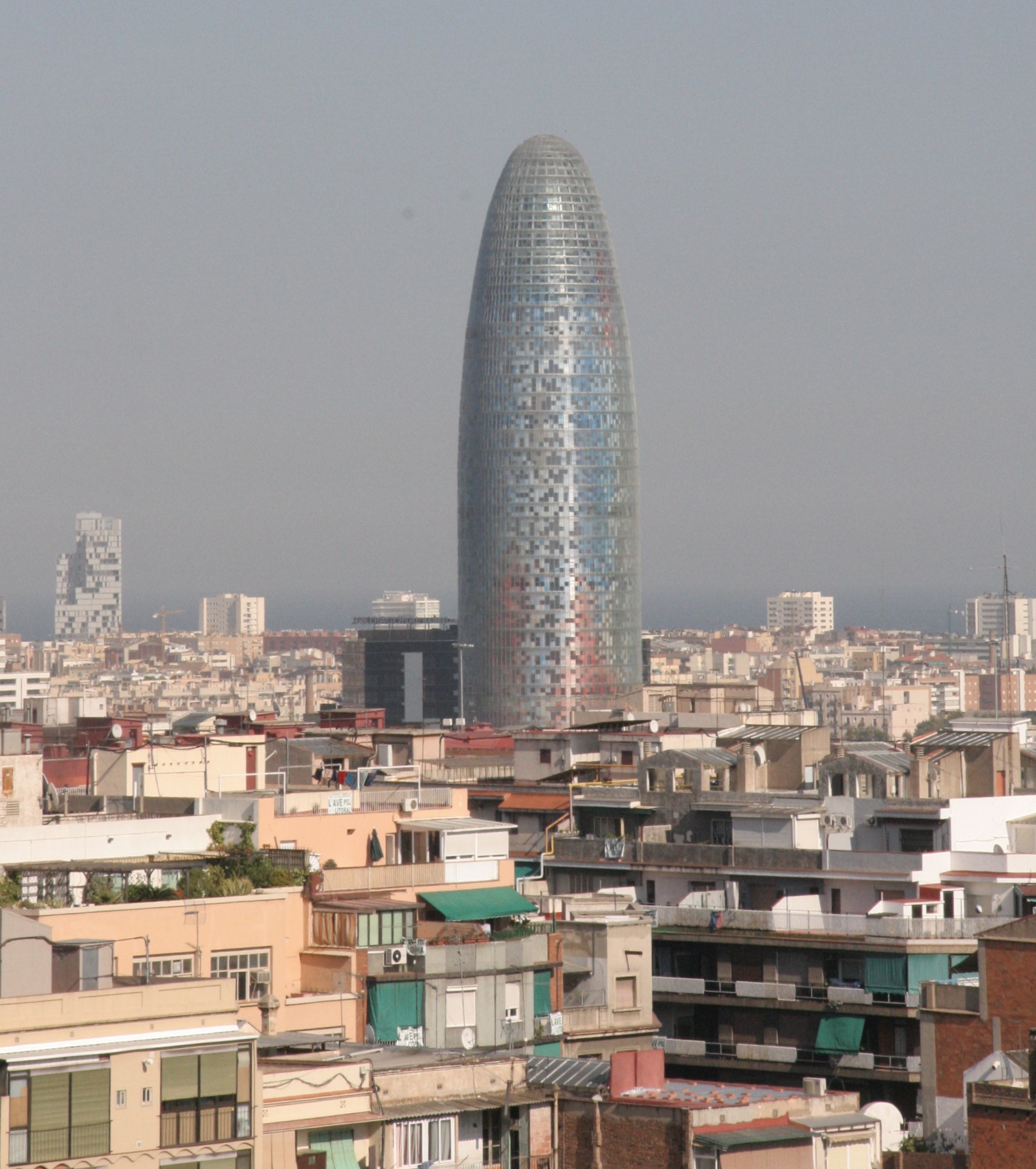 | An odd building on the horizon. Interestingly, the cathedral itself was outside the Barcelona city limits when construction began, but now it's solidly downtown. |
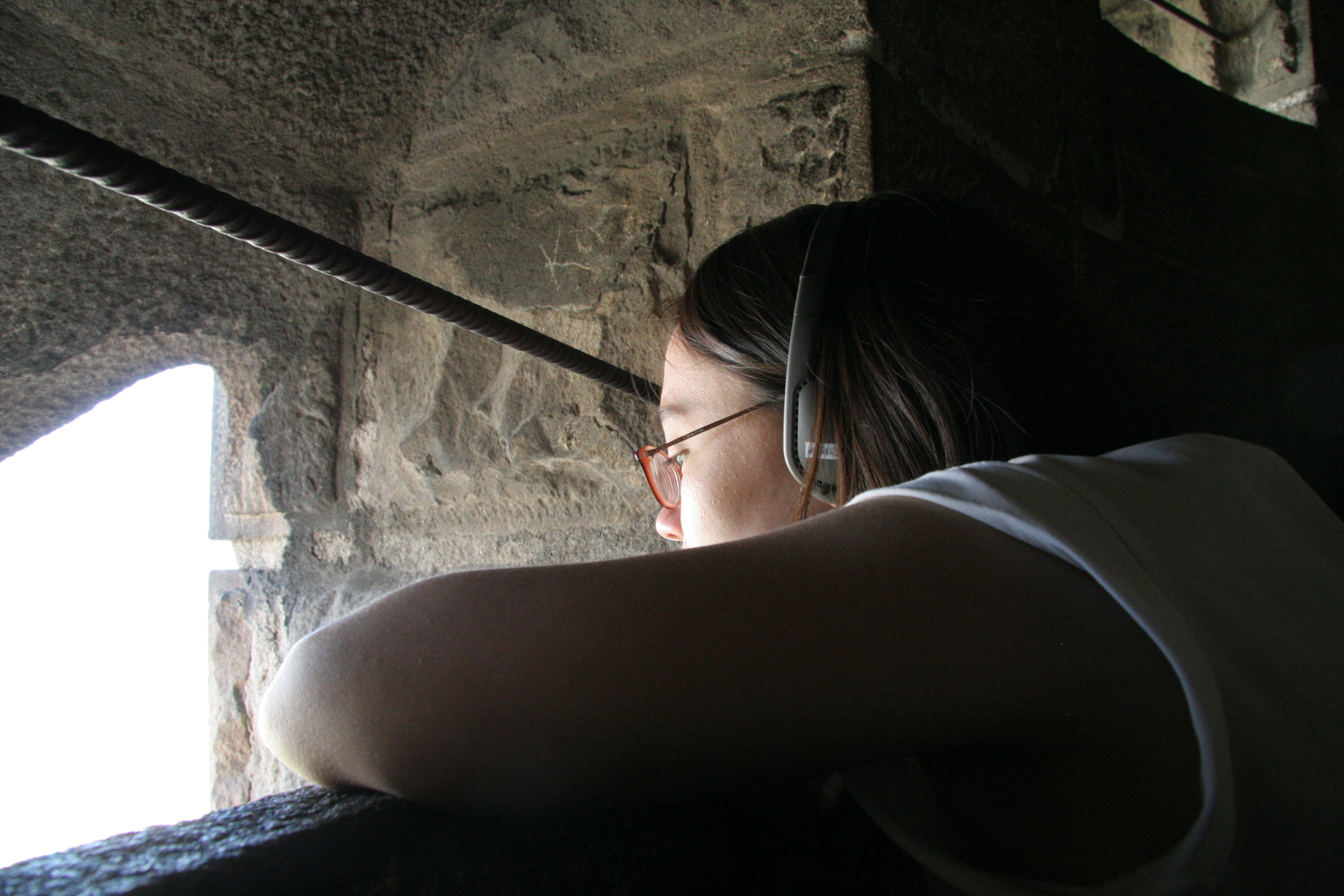 | Maggie peruses from the staircase. |
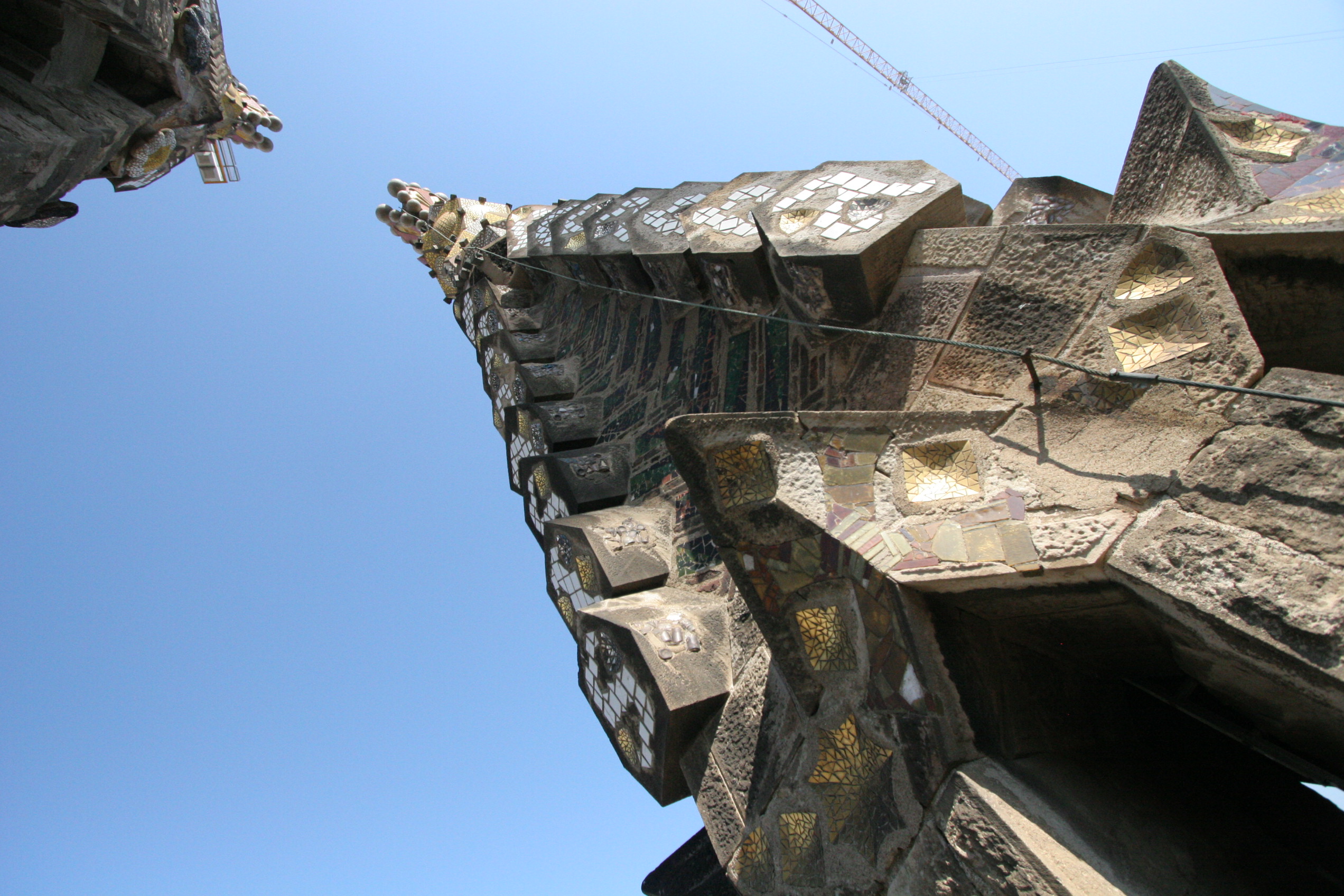
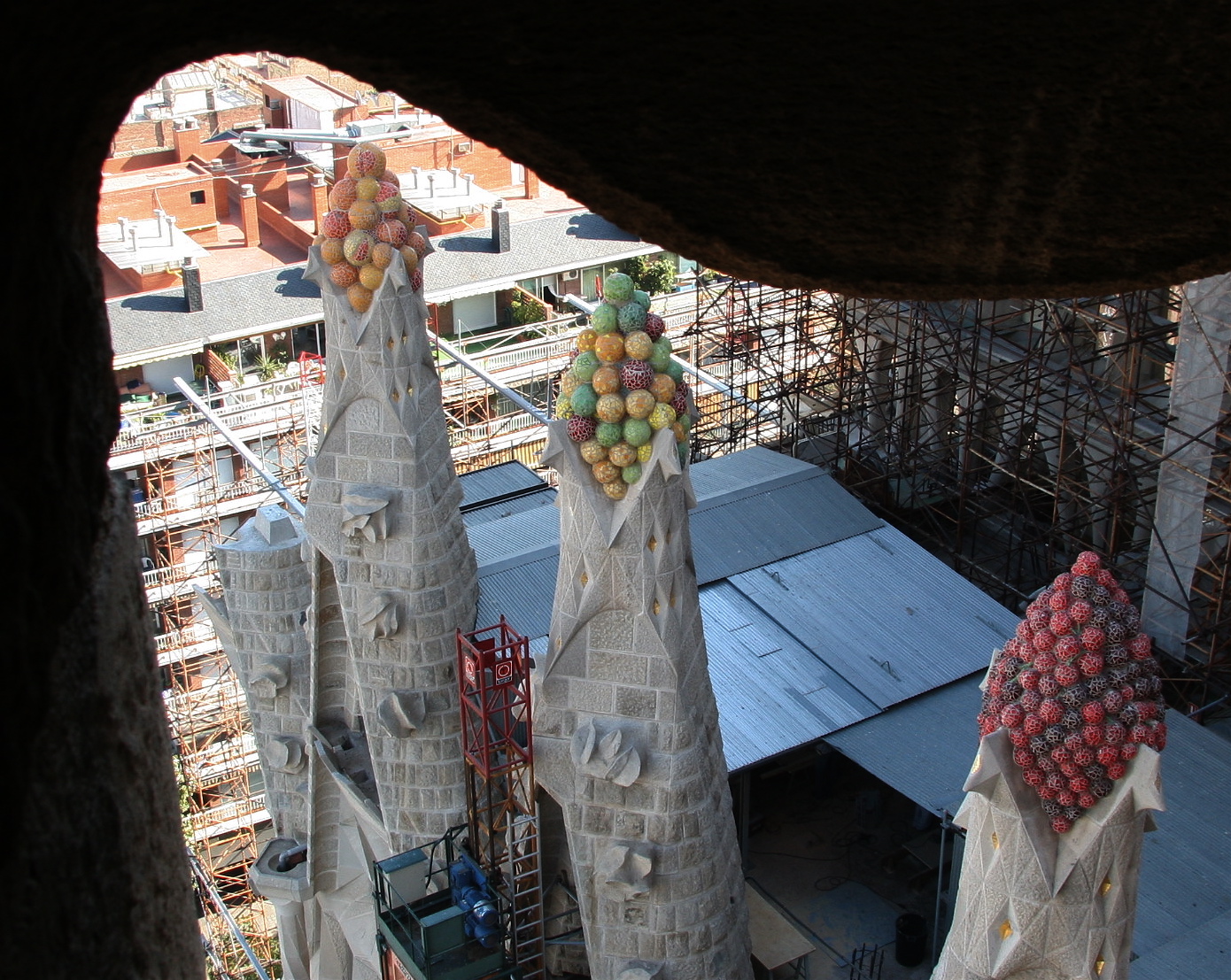
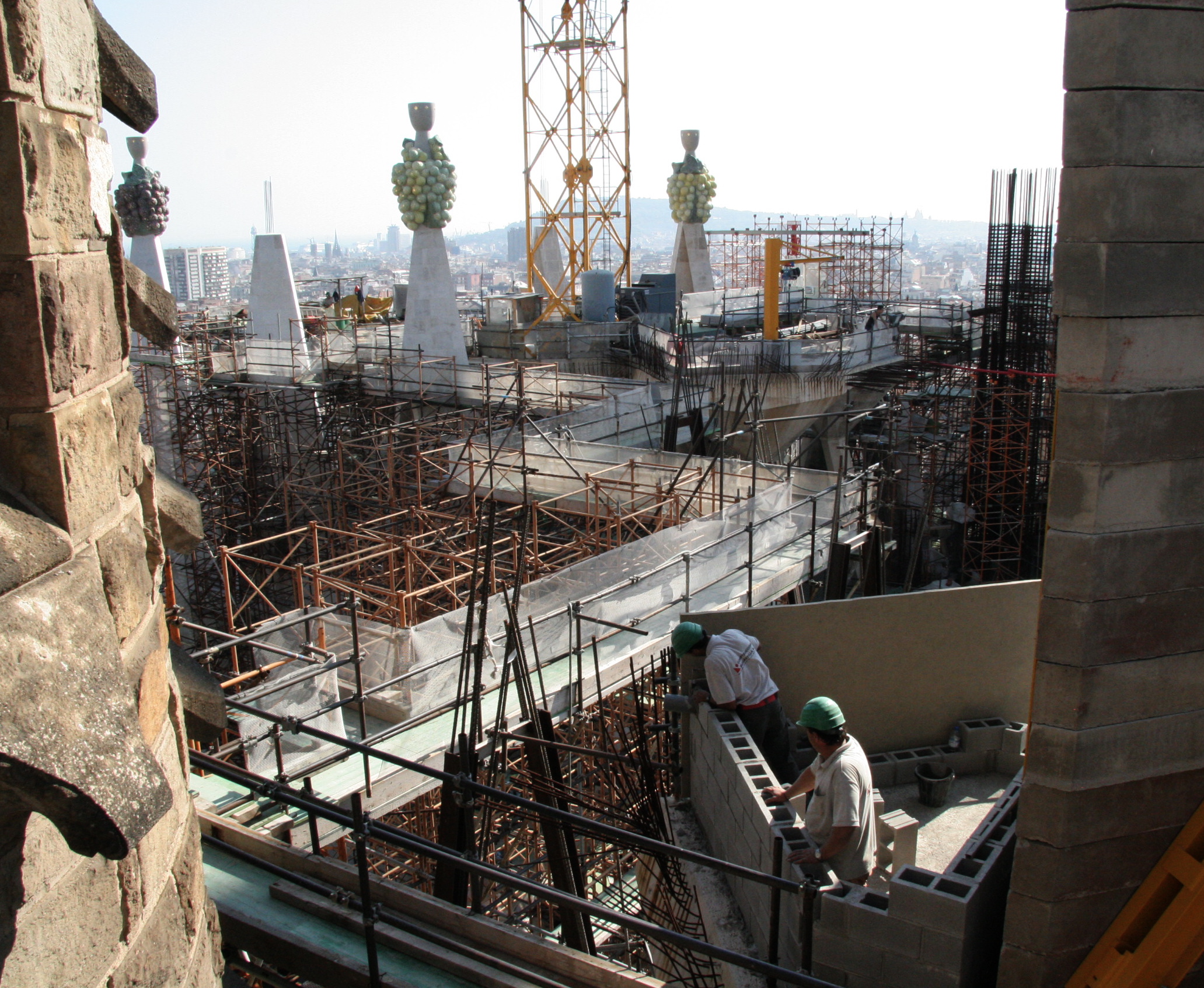 | Check out those grapes! |
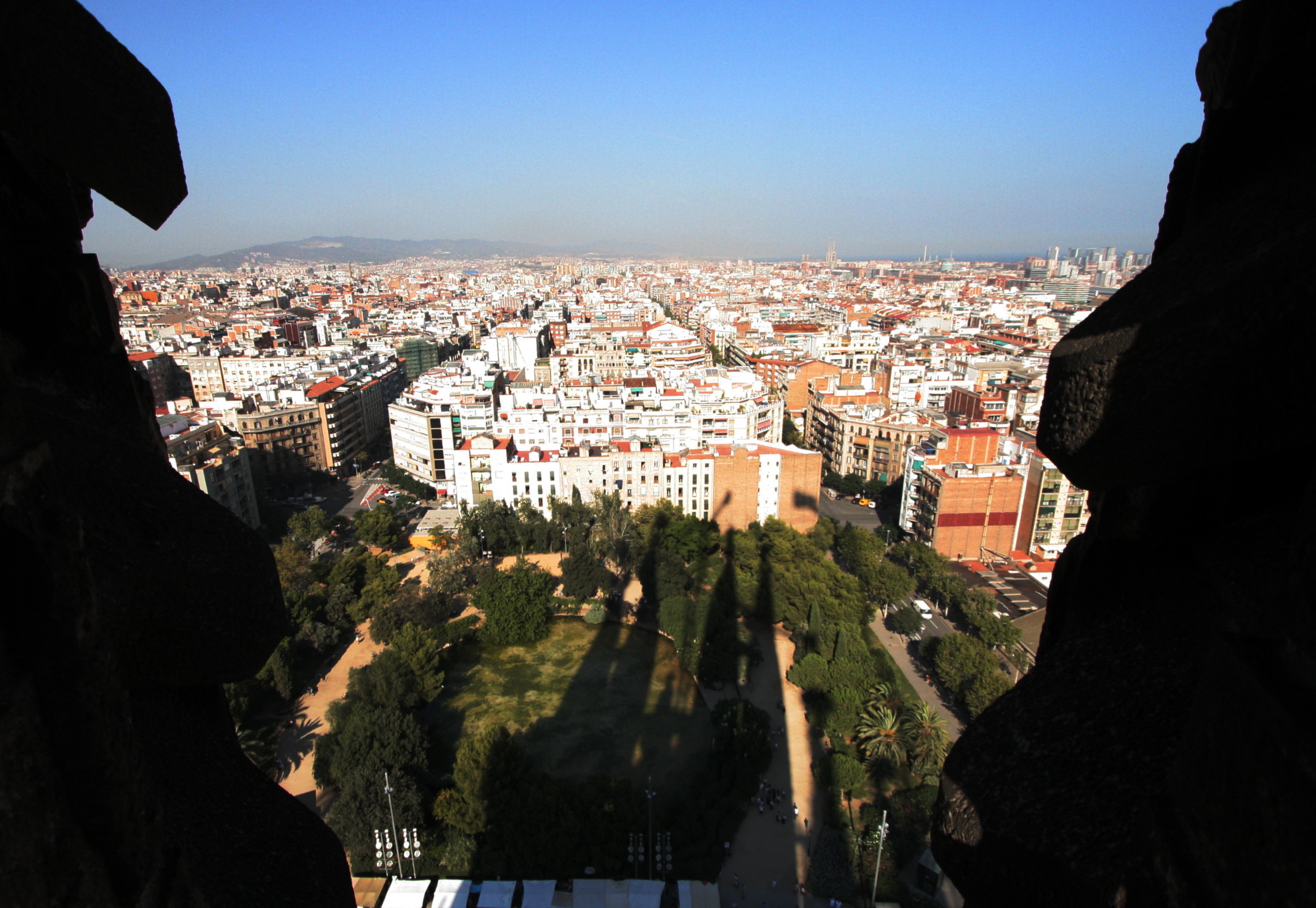 | Quiz: What European landmark am I climbing? |
 | |
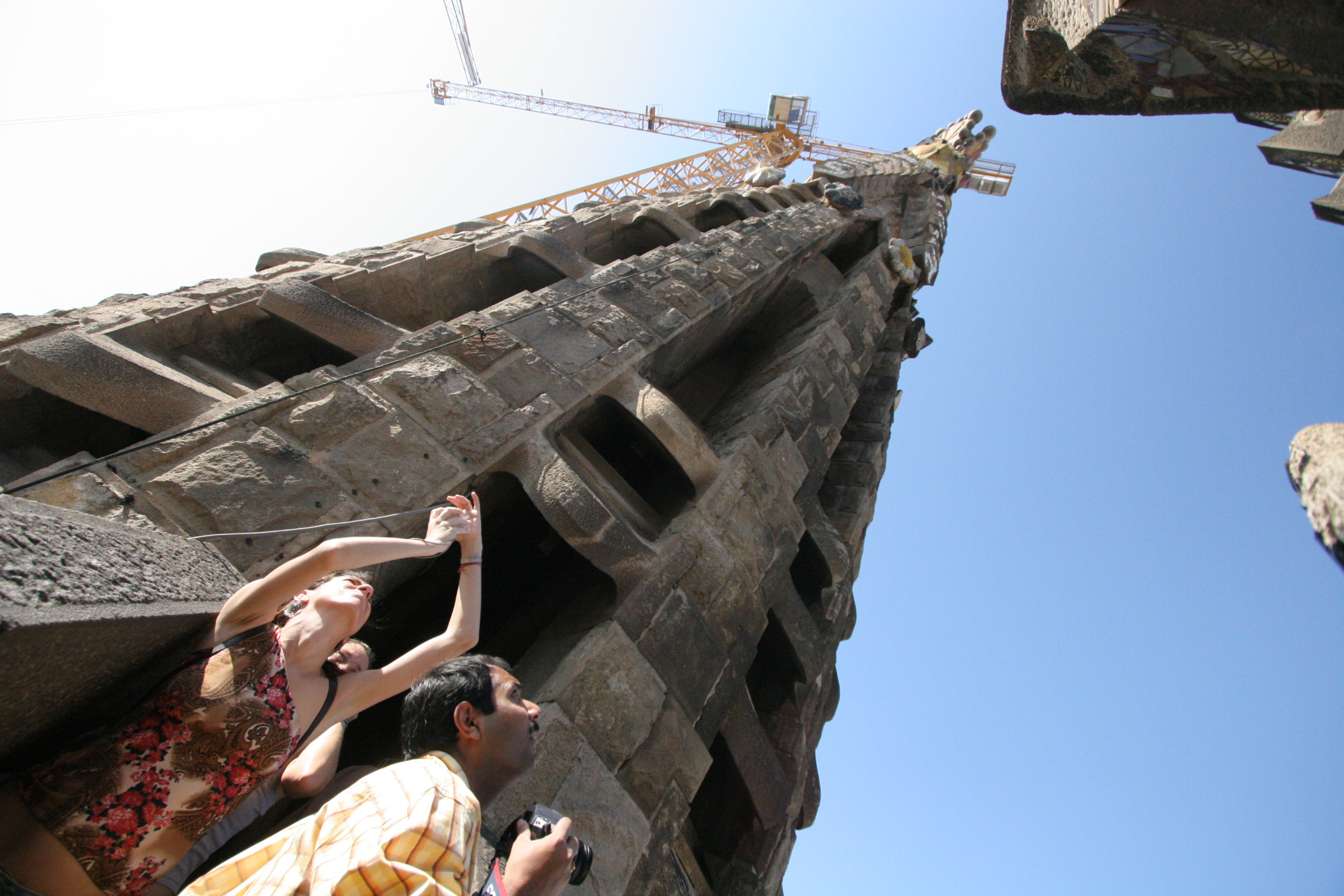 | |
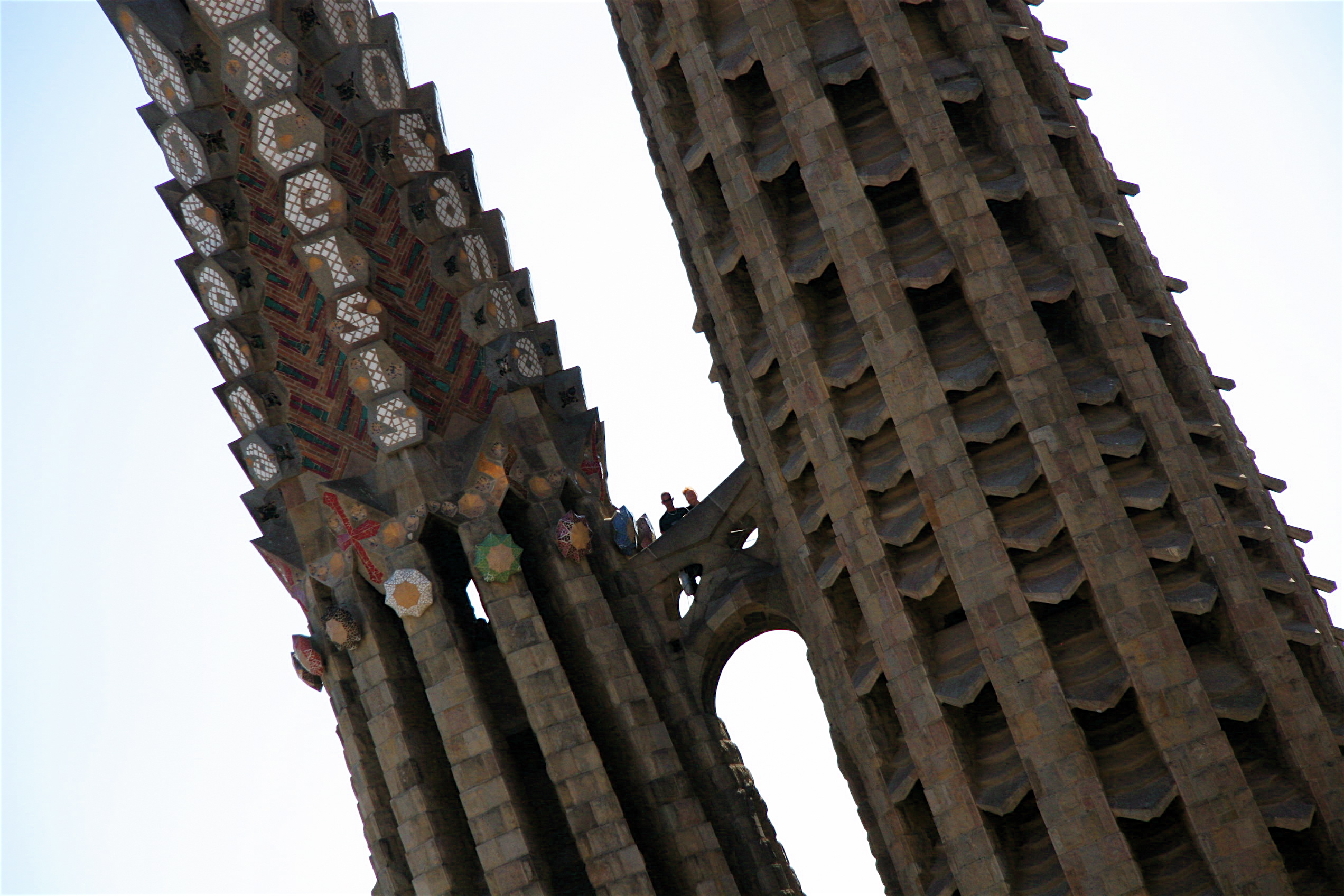 | Other tourists are also becoming closer to God. |
 | |
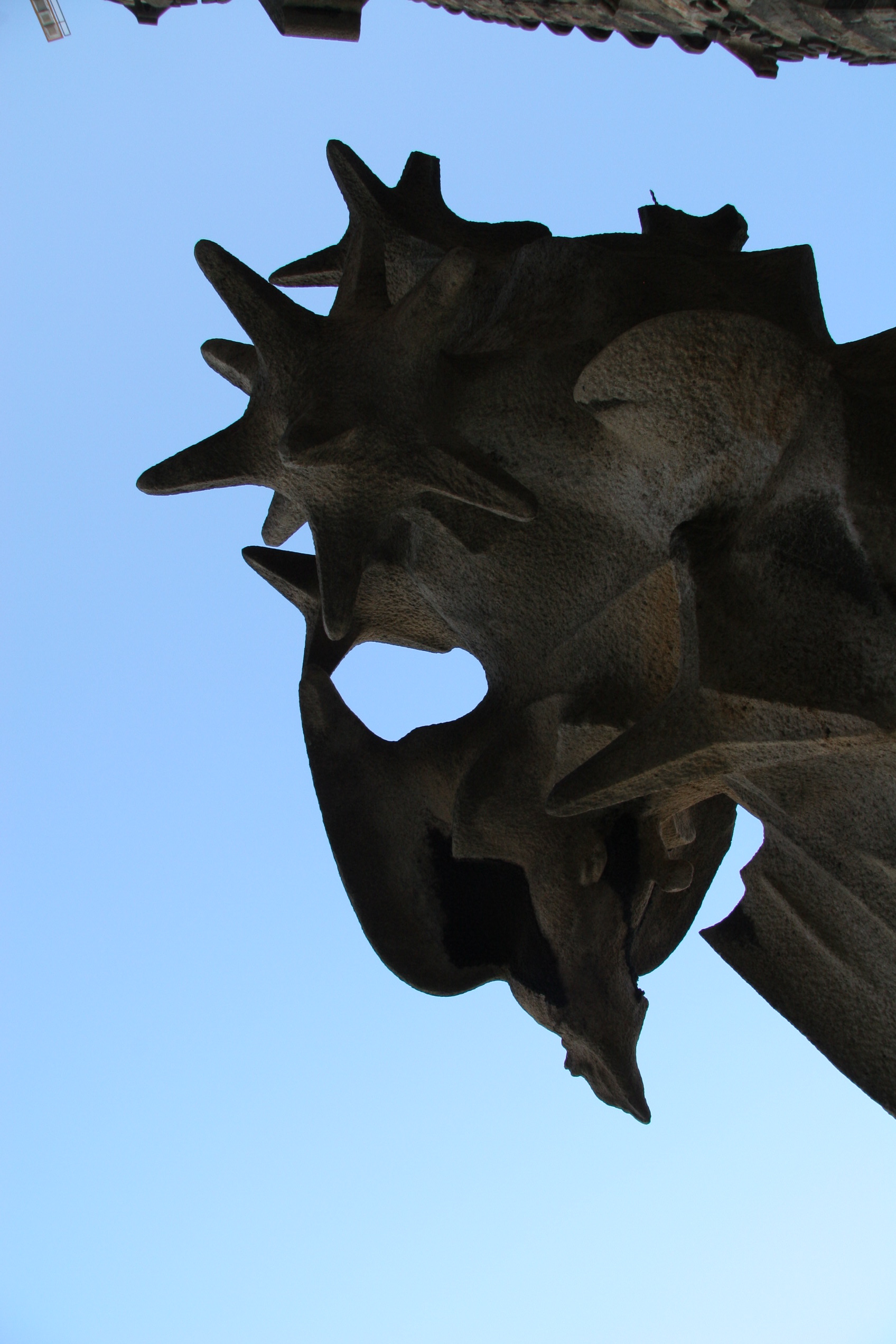 | More aquatic life. |
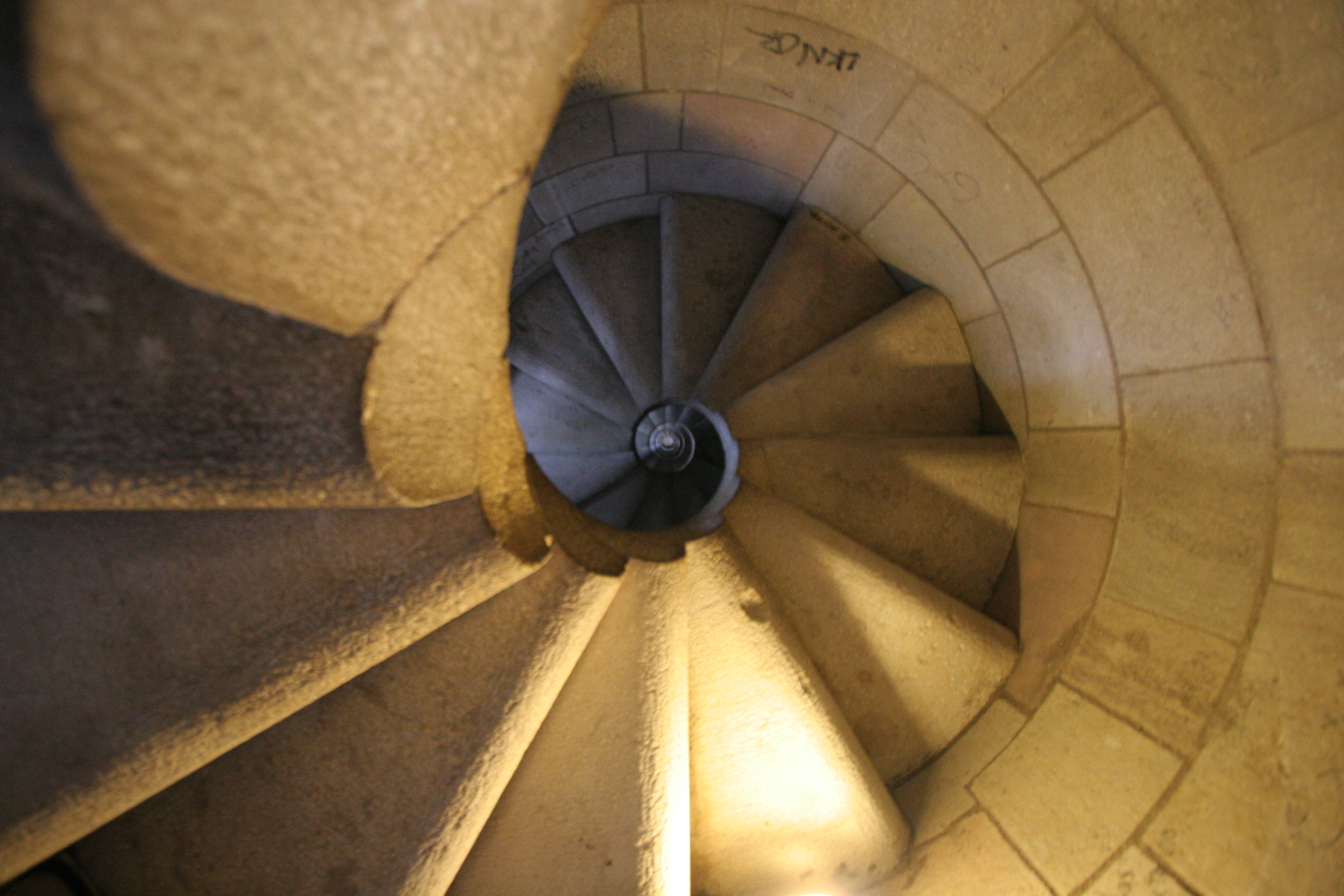 | It turns out the staircase is pretty wild. Hundreds of feet high, no central support -- in fact, there's a hole there right down the center. No handrail originally either (although one has been since added for the faint-of-heart). |
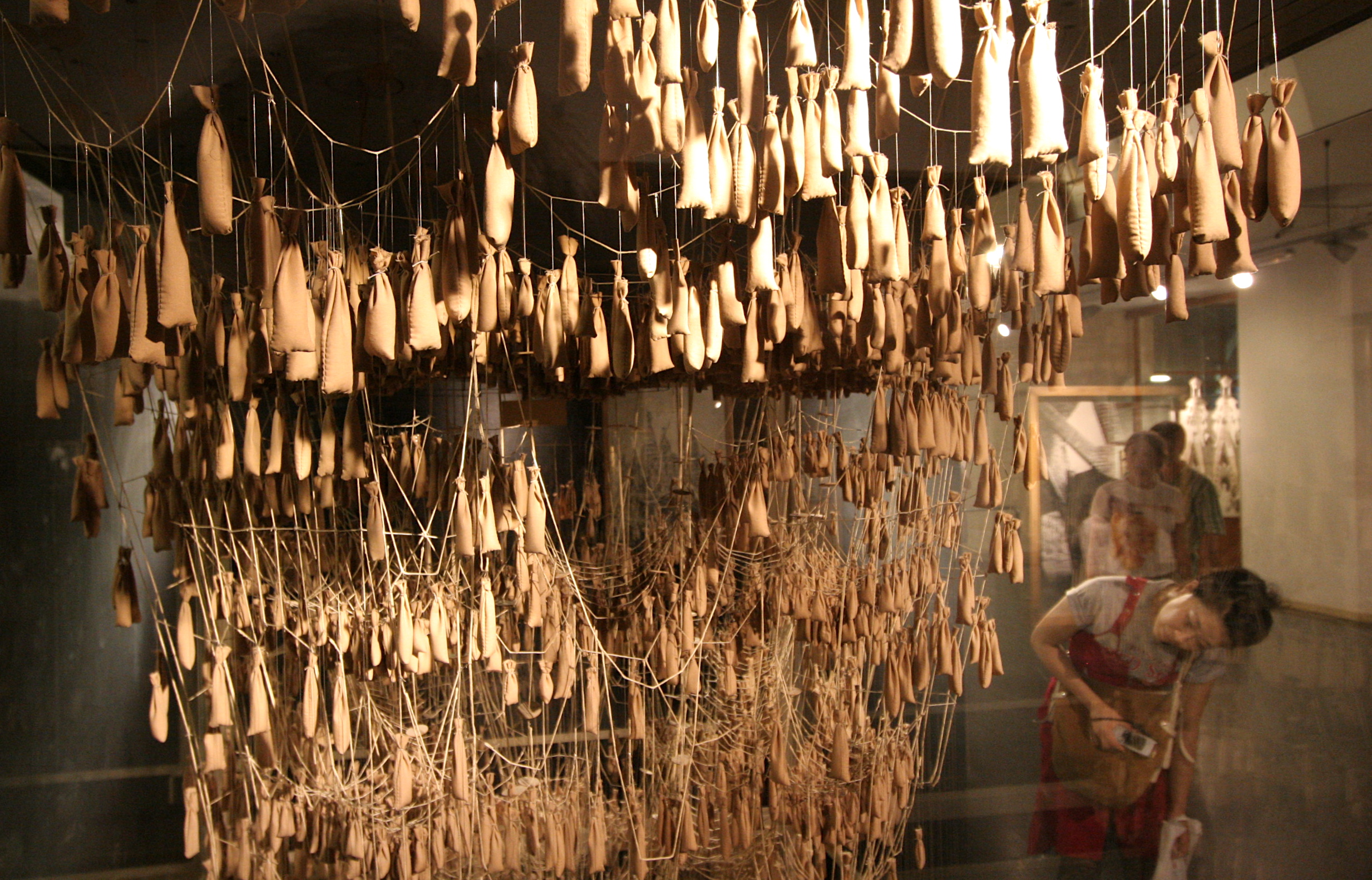 | Wild. This is a model (reconstructed) that Gaudi used to design the load-bearing columns. The deal is that by hanging weights on string segments, the string will adjust itself to the most relaxed configuration. Flip this upside down, and it's the proper configuration for a load-bearing arch. Gaudi did on a massive scale, building this little `analog computer' to figure the proper angles and positions simultaneously for all of the building's load-bearing columns. |
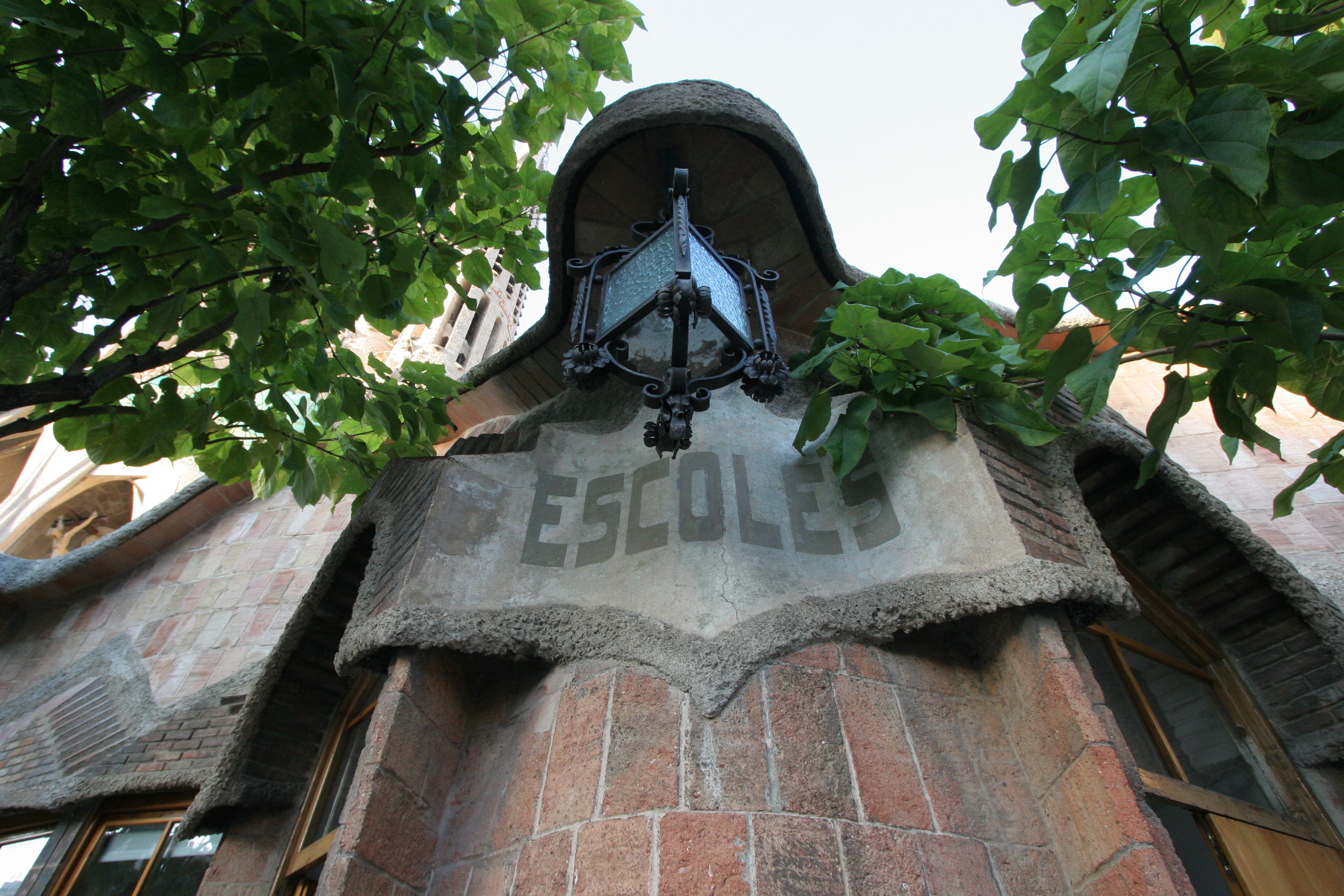 | A small school outside, also by Gaudi. |
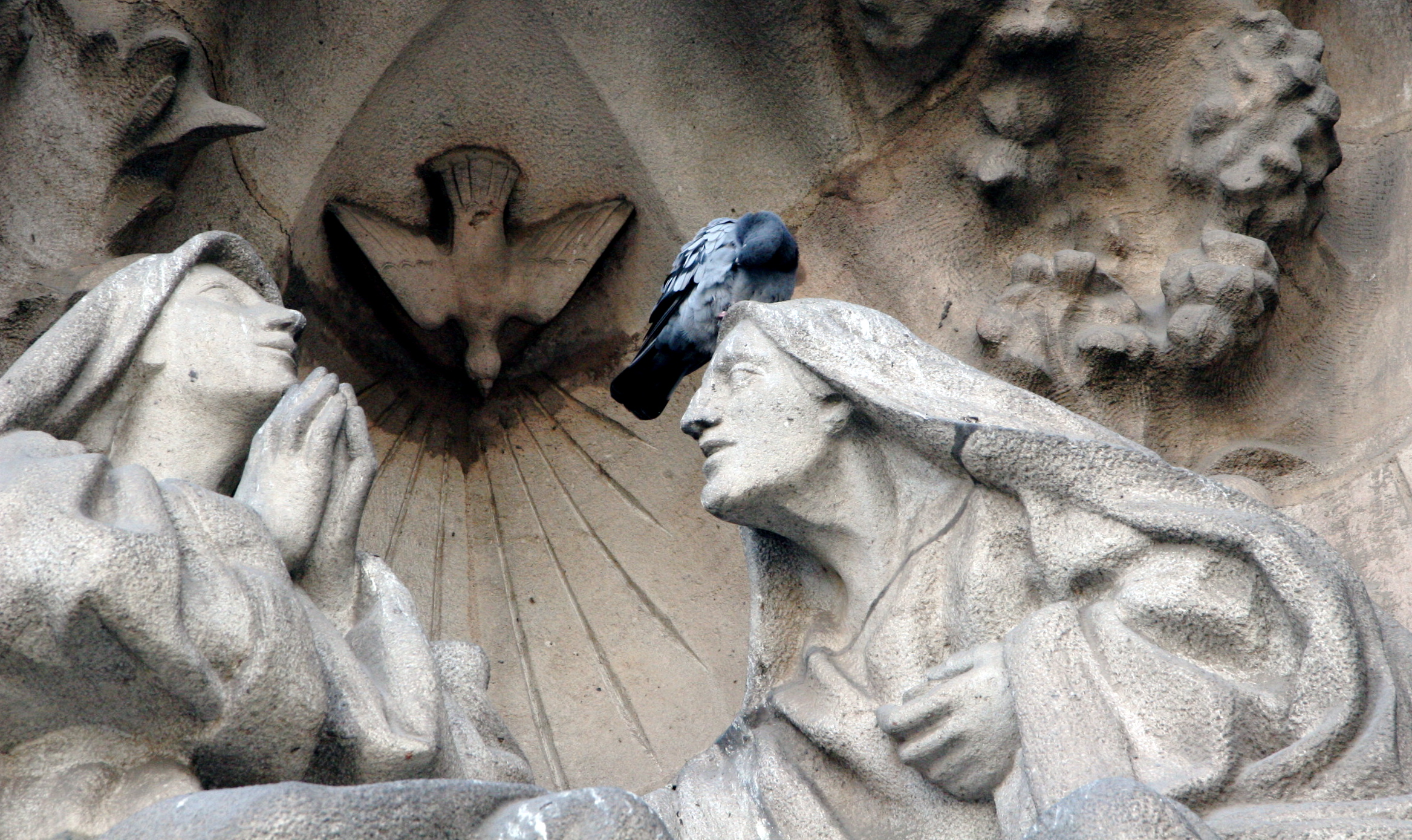
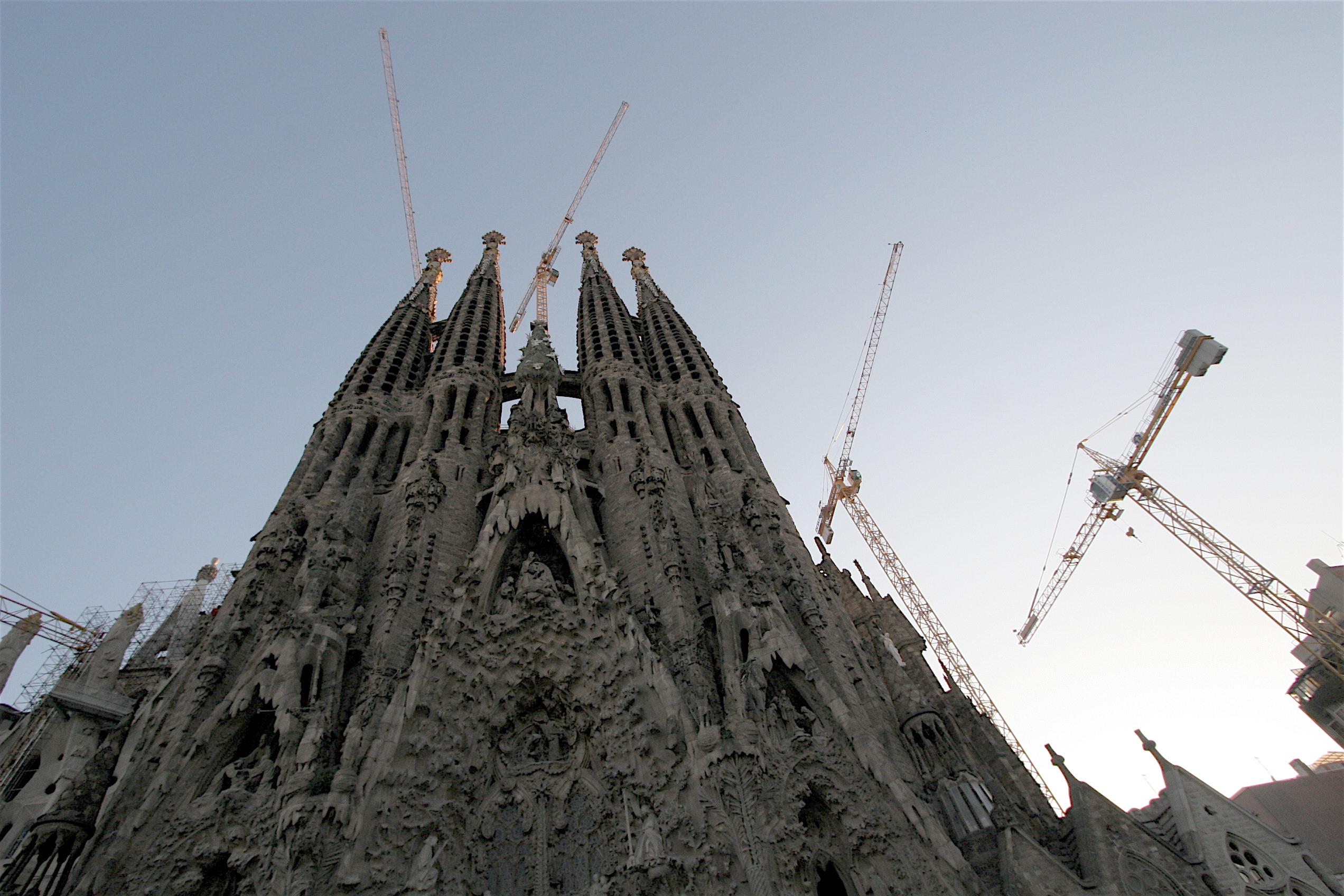 | Original facade, designed (and built) by Gaudi. Lots of wildlife here. |
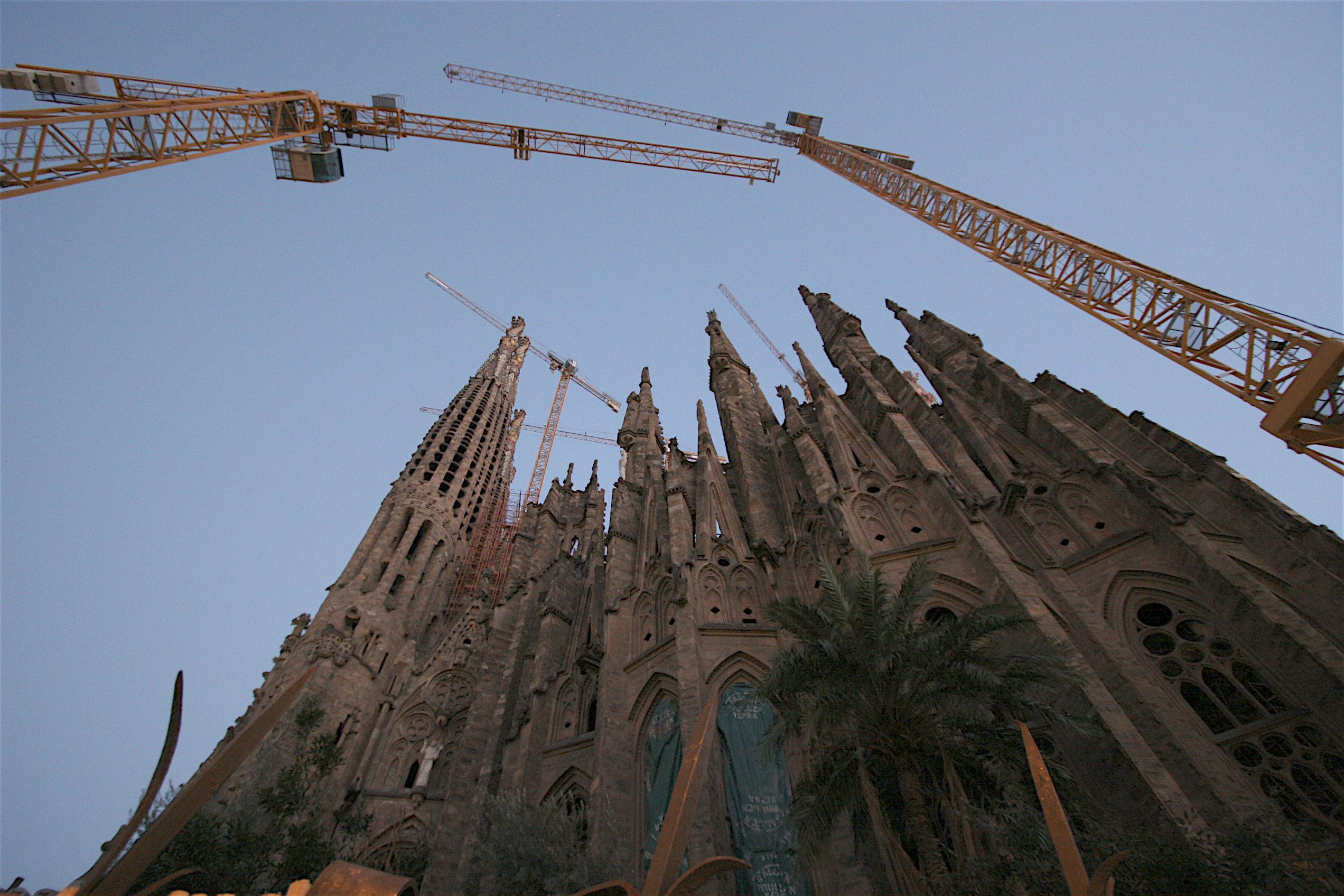 | A newer facade, halfway built. |
Last modified Mon Dec 5 20:58:57 2005